
Nano Reef Tank Checklist: Everything You Need
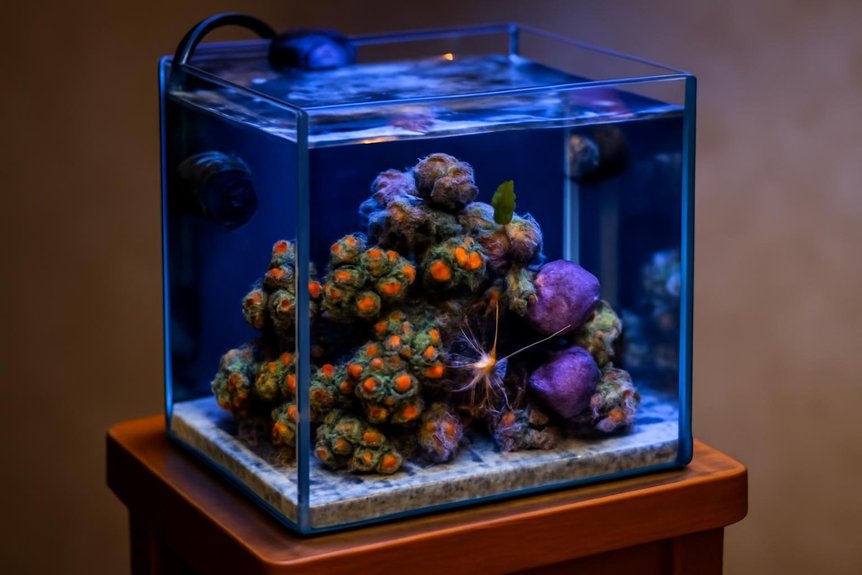
So, you’re toying with the idea of setting up a nano reef tank? What a fantastic adventure that can be! Picture this: a tiny underwater world right in your living room, teeming with vibrant corals and colorful fish. It’s not just about aesthetics; it’s a chance to learn about marine ecosystems in a hands-on way.
But before you dive in headfirst, there are a few key things to consider. For instance, choosing the right tank size is crucial. Imagine standing in front of a wall of tanks at your local pet store, each one calling your name. Do you go for the sleek, smaller option or the slightly larger one that gives you more room for creativity? It’s a big decision, and every detail matters.
Then there’s the lighting — think about how you feel when you’re in a brightly lit room versus a dimly lit one. Your aquatic friends need that same consideration! Proper lighting is essential for the health of your corals and fish, just like how we thrive in the right atmosphere.
Get ready to explore what makes a nano reef thrive. You won’t want to miss out on the essentials that keep your aquatic friends happy and healthy. Each step you take in this journey will bring you closer to creating a mesmerizing slice of ocean right at home.
Key Takeaways
- Choose an appropriate tank size, balancing space availability with the swimming needs of your fish species.
- Install essential filtration systems, including mechanical and biological filters, to maintain water quality.
- Select suitable lighting options, like LED or T5 fluorescent lights, to support coral health and prevent algae growth.
- Use reliable heating solutions to maintain a stable temperature between 76°F and 82°F for optimal fish health.
- Establish a maintenance routine, including regular water tests, water changes, and algae cleaning to ensure a healthy environment.
Choosing the Right Tank Size
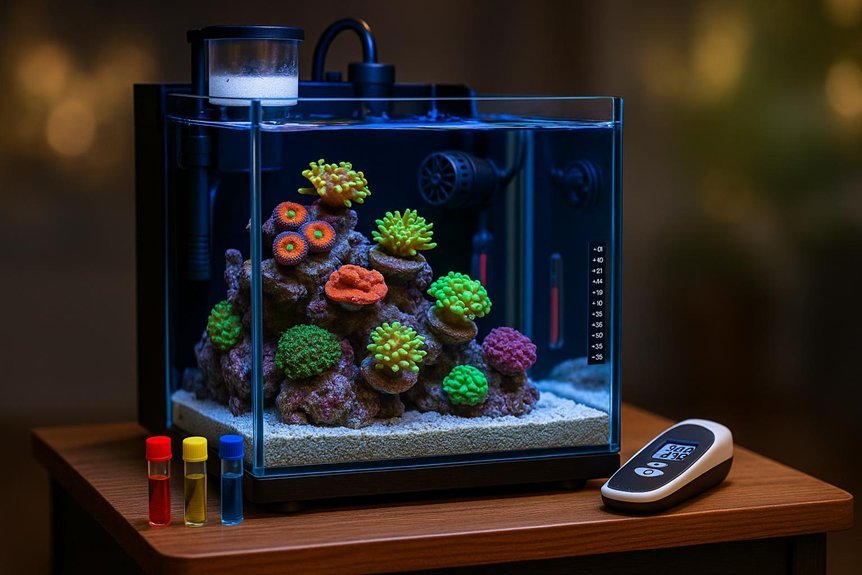
When it comes to choosing the right tank size for your nano reef, there are a few important things to reflect on. First, think about your space. Do you have a spot for a 10-gallon tank, or will a smaller one fit better? Remember, bigger tanks can be more forgiving with water parameters, making it easier to keep your fish and corals happy. However, a smaller tank might be just what you need if you’re short on room. Next, consider the types of creatures you want to keep. Some fish need more swimming space, while others don’t. Finally, don’t forget maintenance; larger tanks require more effort. So, weigh your options wisely, and choose the tank that suits your lifestyle and goals!
Essential Filtration Systems
Choosing the right tank size sets the stage, but you can’t forget about the water quality that keeps your aquatic friends thriving. An effective filtration system is key to maintaining that quality. You’ll want to start with a good mechanical filter to remove debris and particles from the water. A quality sponge filter or canister filter can work wonders, keeping things clean and clear. Don’t skip biological filtration either; it helps break down harmful waste. Adding a protein skimmer can reduce organic compounds, making your tank healthier. Remember, regular maintenance is essential! Clean your filters and check water parameters frequently. By investing in the right filtration, you’re setting up a happy home for your fish and corals. Your underwater world will thank you!
Lighting Options for Nano Reefs
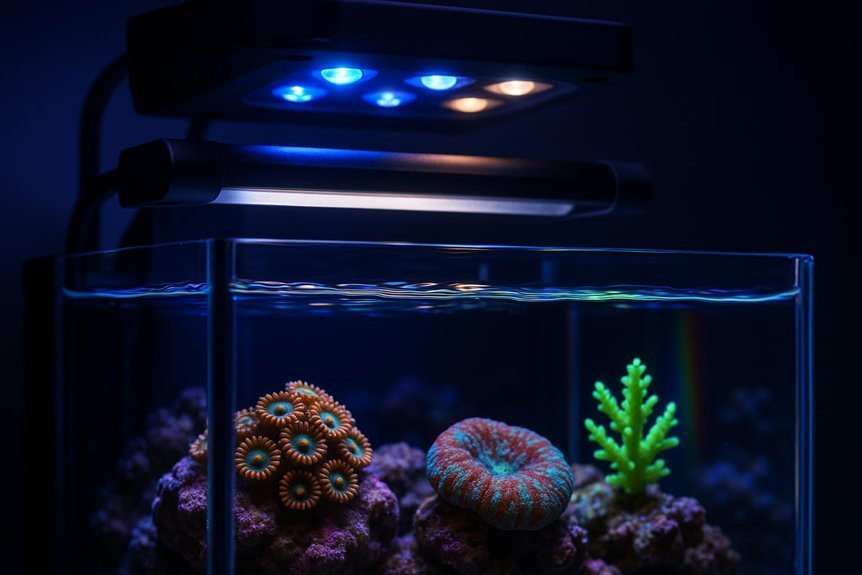
Finding the perfect lighting for your nano reef can feel like a puzzle, but it’s crucial for the health of your aquatic ecosystem. You’ve got a few great options to weigh! LED lights are popular because they’re energy-efficient and last a long time. Plus, they come in various colors to make your corals pop. T5 fluorescent lights are another choice, providing bright illumination and good coverage. They can help your plants thrive too! Just remember to adjust the light duration to prevent algae growth. About 8-10 hours a day usually works well. Finally, don’t forget to check the light’s spectrum; it should mimic natural sunlight for your reef to flourish. Happy lighting, and may your corals shine bright!
Heating Solutions and Temperature Control
Keeping your nano reef at the right temperature is essential for the health of your aquatic friends. You’ll want to aim for a stable range between 76°F and 82°F. To achieve this, consider using a reliable heater designed for smaller tanks. Submersible heaters are a great choice, as they can fit neatly in your tank without taking up too much space. Don’t forget to monitor the temperature regularly with a thermometer; some heaters even have built-in thermostats, which can help. If you notice temperature fluctuations, a heater controller can help stabilize things. Finally, remember that too much heat can be just as harmful as too little, so keep an eye on your reef to keep your fish happy and thriving!
Substrate and Aquascaping Materials
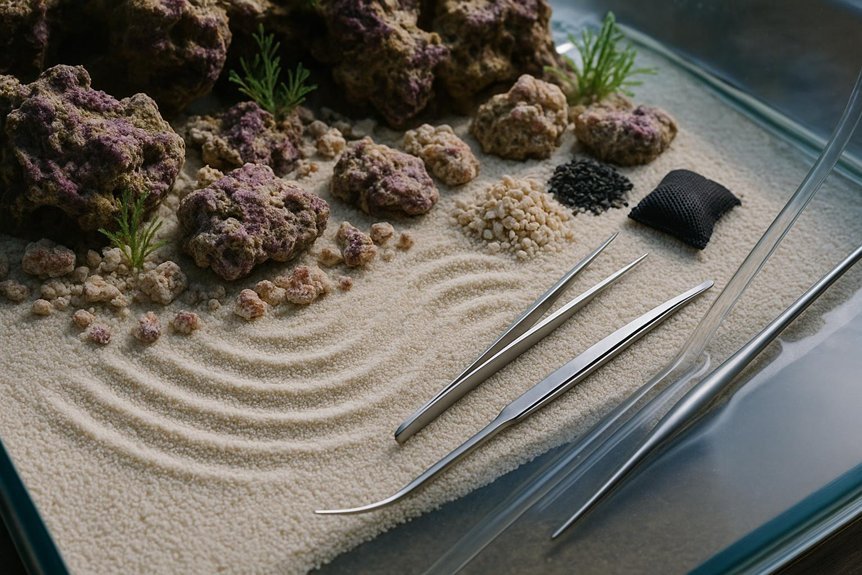
When setting up your nano reef tank, the right substrate and aquascaping materials can make all the difference in creating a vibrant underwater world. Start with a substrate that suits your marine life, like live sand or crushed coral, which not only looks great but also helps beneficial bacteria thrive. Next, think about aquascaping materials—use rocks, driftwood, or artificial decorations to create hiding spots and open spaces for your fish and invertebrates. Arrange them to mimic natural habitats; this adds beauty and functionality. Remember, a well-designed tank not only looks awesome, but it also provides a healthy environment for your aquatic friends. So, get creative and let your imagination flow while you build your little underwater paradise!
Live Rock and Corals Selection
After you’ve set up your substrate and arranged your aquascaping materials, it’s time to reflect on live rock and corals. Live rock isn’t just a decoration; it’s a home for beneficial bacteria that help keep your tank healthy. When choosing live rock, look for pieces with lots of nooks and crannies. They provide hiding spots for critters and corals.
For corals, start with hardy types like zoanthids or mushrooms. They’re colorful and forgiving, perfect for beginners. Make sure to evaluate lighting and flow when placing your corals; they’ll thrive best in their happy zones. Remember, selecting the right rock and corals can turn your tank into a vibrant underwater world. Happy reefing!
Water Quality Testing Kits
To keep your nano reef thriving, you can’t overlook the importance of water quality testing kits. These handy tools help you measure essential factors like pH, ammonia, nitrite, and nitrate levels. By testing regularly, you’ll guarantee your water stays balanced, which is critical for the health of your corals and other inhabitants. It’s like checking the temperature before diving into a pool—you want it just right!
Most kits come with easy-to-follow instructions, so you won’t need a chemistry degree to use them. Just remember, keeping an eye on your water parameters can save you from potential disasters down the line. So, grab a kit, stay informed, and watch your mini underwater world flourish! Your reef will thank you!
Adding Livestock: Fish and Invertebrates
Selecting the right fish and invertebrates for your nano reef is like choosing the perfect toppings for a pizza—you want a mix that complements each other and creates a delicious experience! Start by picking small fish like clownfish or gobies, as they thrive in cozy spaces. Don’t forget about invertebrates like snails and shrimp; they help keep your tank clean and add personality. Be mindful of their compatibility! Some fish can be aggressive, while others prefer to hang out solo. Always research their needs, like water temperature and food preferences, to keep everyone happy. A well-balanced community will keep your tank lively and beautiful. So, choose wisely and enjoy your underwater pizza party!
Maintenance and Care Routines
Maintaining a healthy nano reef tank can feel like a fun adventure, especially when you see how your little ecosystem thrives. Start by checking your water parameters weekly—salinity, pH, and ammonia levels are key players. You’ll want to perform a 10-15% water change every couple of weeks to keep things fresh and clean. Don’t forget to feed your fish and invertebrates properly; overfeeding can lead to a messy tank. Regularly clean algae off the glass and equipment to guarantee everyone gets enough light. You should also inspect your livestock for any signs of stress or disease. By sticking to a routine, you’ll keep your tiny reef flourishing and looking its best. Plus, it’s a great way to bond with your aquatic pals!
Troubleshooting Common Issues
When you’re diving into the world of nano reef tanks, it’s not uncommon to run into a few bumps along the way. Maybe your water’s cloudy, or your corals look a little sad. First, check your water parameters. High levels of ammonia or nitrites can be a big issue. If your fish are hiding, they might be stressed—make sure your tank isn’t overcrowded and that water conditions are stable. Algae blooms? It could be too much light or nutrients; consider reducing feeding or adjusting your lighting schedule. And if your equipment’s making weird noises, don’t panic! A good cleaning or repositioning might fix that. Troubleshooting can be tricky, but with patience, you’ll keep your reef thriving!
FAQ
Can I Keep Freshwater Species in a Nano Reef Tank?
FAQs about Keeping Freshwater Species in a Nano Reef Tank
1. Can I keep freshwater fish in a nano reef tank?
No, freshwater fish cannot survive in a nano reef tank due to the saltwater conditions required for marine life. They need a freshwater environment to thrive.
2. What kind of environment do nano reef tanks provide?
Nano reef tanks are designed to mimic saltwater ecosystems, which are essential for marine organisms. The salinity and chemical composition are tailored for saltwater species.
3. What happens if I put freshwater species in a saltwater tank?
Freshwater species will not survive in salty conditions; they may experience stress, illness, or death. Saltwater is toxic to them.
4. Are there any exceptions for keeping fish in a nano reef tank?
Only saltwater organisms are suitable for nano reef tanks. Freshwater species should not be included under any circumstances.
5. What types of species are recommended for nano reef tanks?
Consider small saltwater fish, corals, and invertebrates that thrive in a reef environment. Species like clownfish, gobies, and various coral types are popular choices.
6. Can I mix different saltwater species in a nano reef tank?
Yes, but it’s essential to research compatibility to ensure all species can coexist peacefully. Some species may be territorial or have specific environmental needs.
7. Is a nano reef tank suitable for beginners?
Nano reef tanks can be challenging due to their small size and the need for precise water parameters. However, with proper research and care, they can be rewarding.
8. How do I maintain water quality in a nano reef tank?
Regular testing of salinity, pH, ammonia, nitrites, and nitrates is crucial. Frequent water changes and proper filtration help maintain optimal conditions.
9. What equipment do I need for a nano reef tank?
Basic equipment includes a heater, filter, lighting suitable for corals, and a salinity tester. Additional items like protein skimmers can help maintain water quality.
10. Can I add freshwater plants to a nano reef tank?
No, freshwater plants are not compatible with saltwater environments. Stick to marine plants and corals that thrive in saltwater conditions.
How Often Should I Perform Water Changes in a Nano Reef?
FAQs on Water Changes in a Nano Reef:
1. How often should I perform water changes in my nano reef tank?
You should perform water changes every one to two weeks to maintain optimal water quality.
2. What percentage of water should I change during a water change?
It’s recommended to replace about 10-20% of the water with each change to avoid stressing your aquatic life.
3. What are the benefits of regular water changes in a nano reef?
Regular water changes help remove toxins, replenish essential nutrients, and maintain stable water parameters, ensuring a healthy environment for your tank’s inhabitants.
4. Can I perform water changes more frequently than every week?
Yes, if your tank is heavily stocked or has high nutrient levels, more frequent changes may be beneficial, but ensure not to exceed a safe percentage.
5. What tools do I need for performing water changes?
A siphon or gravel vacuum, a bucket for collecting and replacing water, and a water conditioner are essential tools for effective water changes.
6. Should I use a water conditioner during water changes?
Yes, using a water conditioner is important to remove harmful chemicals like chlorine and chloramine from tap water before adding it to your tank.
7. Is it necessary to match the temperature of the new water?
Absolutely! Always match the temperature of the new water to that of the tank to prevent shocking your aquatic life.
8. How can I test the water quality before a water change?
Utilize aquarium test kits to check parameters like ammonia, nitrite, nitrate, pH, and salinity before performing a water change.
9. What if my tank is experiencing algae blooms?
Increased water changes can help combat algae blooms by reducing nutrient levels; consider adjusting your lighting and feeding regimen as well.
10. Can I use saltwater from my water change in other tanks?
Yes, if the water is clean and free of contaminants, you can use it for other saltwater tanks or even for mixing new saltwater, depending on its quality.
What Is the Ideal Flow Rate for a Nano Reef Tank?
FAQ on Ideal Flow Rate for a Nano Reef Tank
1. What is the recommended flow rate for a nano reef tank?
The ideal flow rate is between 10 to 20 times the tank’s volume per hour. This ensures proper water circulation and quality.
2. Why is flow rate important in a nano reef tank?
Maintaining an appropriate flow rate helps distribute nutrients and supports coral health, preventing stagnation.
3. Can too much flow harm my coral?
Yes, excessive flow can stress delicate corals and other inhabitants, leading to damage or poor health.
4. How can I measure the flow rate in my tank?
You can measure flow rate by using a flow meter or calculating based on the pump’s specifications and tank volume.
5. Is the flow rate the same for all types of corals?
No, different corals have varying flow requirements. Research specific needs for the types of corals you keep.
6. What are the risks of having too low a flow rate?
Insufficient flow can lead to poor water quality, increased waste buildup, and less oxygenation, which can harm marine life.
7. How can I adjust the flow rate in my nano reef tank?
You can adjust the flow by changing pump speed settings, using adjustable nozzles, or repositioning equipment.
8. Should I use multiple pumps to achieve the ideal flow rate?
Yes, using multiple pumps can help create a more even flow and reduce dead spots in the tank.
9. How often should I monitor the flow rate?
It’s a good practice to check the flow rate regularly, especially after maintenance or equipment changes, to ensure it’s within the ideal range.
10. Are there specific pumps recommended for nano reef tanks?
Look for pumps designed for nano reef tanks that offer controllable flow rates and are suitable for the tank’s size and inhabitants.
Are There Specific Medications for Nano Reef Tanks?
1. What types of medications are available for nano reef tanks?
Specific medications for nano reef tanks include treatments for parasites, bacterial infections, and fungal issues. These products are designed to be effective while minimizing harm to the tank’s inhabitants.
2. Are there reef-safe medication options?
Yes, many medications are labeled as reef-safe, meaning they won’t harm corals or invertebrates. It’s essential to always check the product labels to ensure they are suitable for a nano reef environment.
3. How do I know if a medication is safe for my nano reef?
Look for products specifically formulated for reef tanks and verify their safety through reviews or recommendations from trusted sources. Always read the instructions and warnings before use.
4. Can medications affect the water quality in my nano reef tank?
Some medications can temporarily alter the water chemistry, potentially impacting sensitive organisms. Monitor water parameters closely during treatment to mitigate any adverse effects.
5. Should I quarantine fish before adding them to my nano reef?
Yes, quarantining new fish before introducing them to your nano reef can prevent the spread of diseases and parasites. This practice helps maintain a healthy environment for existing inhabitants.
6. How should I administer medications in a nano reef tank?
Follow the manufacturer’s instructions for dosage and application. It’s often best to dissolve medications in a separate container before adding them to the tank to ensure even distribution.
7. What signs indicate that I need to medicate my nano reef tank?
Look for signs such as unusual behavior in fish, discoloration, lesions, or rapid coral decline. Early detection is key to effectively treating health issues in your reef tank.
8. Can I use multiple medications simultaneously in a nano reef tank?
Using multiple medications at the same time can be risky and may lead to adverse reactions. It’s best to treat one problem at a time and monitor the tank’s response.
9. How long should I treat my nano reef tank with medication?
Treatment duration can vary based on the specific medication and the issue being addressed. Always adhere to the recommended treatment cycle provided by the manufacturer.
10. After treatment, how can I restore my nano reef tank’s ecosystem?
After medication treatment, perform water changes and monitor parameters to help restore balance. Consider using activated carbon to remove residual medication and support the tank’s recovery.
How Do I Acclimate New Fish and Corals to My Nano Reef?
FAQ 1: How long should I float the bag of new fish or corals in my tank?
Float the bag in your tank for about 15 minutes to help acclimate the new inhabitants to the temperature.
FAQ 2: Why is it important to mix tank water into the bag?
Gradually mixing tank water into the bag helps the fish and corals adjust to the water chemistry of your tank, reducing stress.
FAQ 3: How do I mix tank water into the bag?
After floating the bag, slowly add small amounts of your tank water into the bag over a 30-60 minute period, allowing the new arrivals to acclimate more effectively.
FAQ 4: Should I add the old water from the bag to my tank?
No, you should avoid transferring any old water from the bag into your tank as it may contain harmful substances or pathogens.
FAQ 5: What is the best method to transfer fish and corals into the tank?
Gently transfer the fish and corals from the bag into your tank using a net for fish and carefully placing corals in their desired spots.
FAQ 6: How can I minimize stress during the acclimation process?
Perform the acclimation in a quiet area, avoid sudden movements, and keep the tank lights dimmed during the transfer to reduce stress on the new arrivals.
FAQ 7: Is there a specific time frame for acclimating different species?
While 15 minutes is a general guideline, some sensitive species may require longer acclimation times. Always research specific needs for the species you are introducing.
FAQ 8: Can I acclimate multiple fish or corals at the same time?
Yes, you can acclimate multiple specimens together in a single bag, but ensure there is adequate space and water to prevent overcrowding.
FAQ 9: What signs indicate that my fish or corals are stressed during acclimation?
Signs of stress can include erratic swimming, hiding, rapid gill movement, or discoloration. If you observe these behaviors, consider extending the acclimation time.
FAQ 10: How long should I wait before feeding new fish after acclimation?
It’s best to wait at least 24 hours after acclimation before feeding new fish to allow them to settle into their new environment.
Final Thoughts
Setting up your nano reef tank can be a fun adventure! By picking the right tank size, using a good filtration system, and choosing the right lights, you’re well on your way to creating an underwater paradise. Don’t forget to keep an eye on water quality and stick to a maintenance routine. With a bit of care and attention, your tiny reef will thrive, bringing colorful fish and corals right into your home. Happy reefing!