How Long Does It Take to Cycle a Nano Reef Tank?
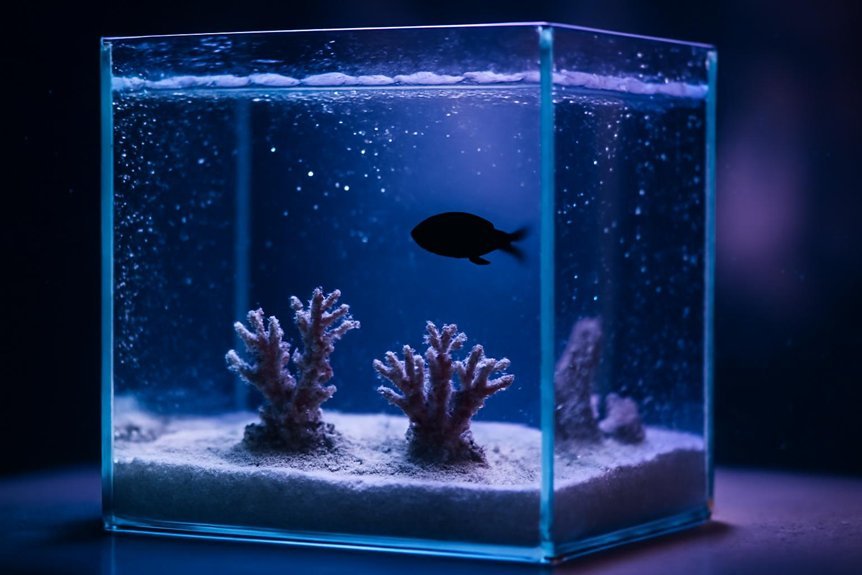
So, you’re diving into the world of nano reef tanks, huh? It’s an exciting journey! The cycling process typically takes about four to six weeks, but don’t get too cozy just yet—there are plenty of twists and turns along the way that can speed things up or throw a wrench in your plans.
Picture this: you’ve just set up your beautiful little tank, and you’re eagerly watching the water parameters, waiting for that magical moment when everything comes into balance. But did you know that the size of your tank can play a significant role? If you’ve got a smaller setup, it might cycle a bit quicker, but if you’ve chosen a larger one, patience will be your best friend.
Then there’s the filtration system—think of it as the heart of your tank. A robust filter can work wonders, helping to speed up the cycling process. You might even find yourself having little conversations with your filter, urging it to do its job a bit faster, while you sip on your favorite beverage, staring at the tank with hope.
And don’t forget about the temperature! If your tank is a bit on the chilly side, it might slow things down. Imagine checking the thermometer and thinking, “Come on, a few more degrees!” as you envision all the colorful coral and fish you can’t wait to introduce.
As you navigate this vital time, keep your eyes peeled for the telltale signs of cycling success. Your patience and care will pay off, transforming that little tank into a thriving underwater oasis. Enjoy the ride!
Key Takeaways
- Cycling a nano reef tank typically takes several weeks, often ranging from 4 to 6 weeks, depending on various factors.
- Smaller tanks tend to cycle faster due to less water volume but may require more frequent monitoring.
- Temperature and salinity significantly influence the growth rates of beneficial bacteria during the cycling process.
- The cycling duration can be affected by the method used, such as fishless cycling or using live rock.
- Patience is crucial; rushing the process can lead to imbalances and problems in the tank’s ecosystem.
Understanding the Cycling Process
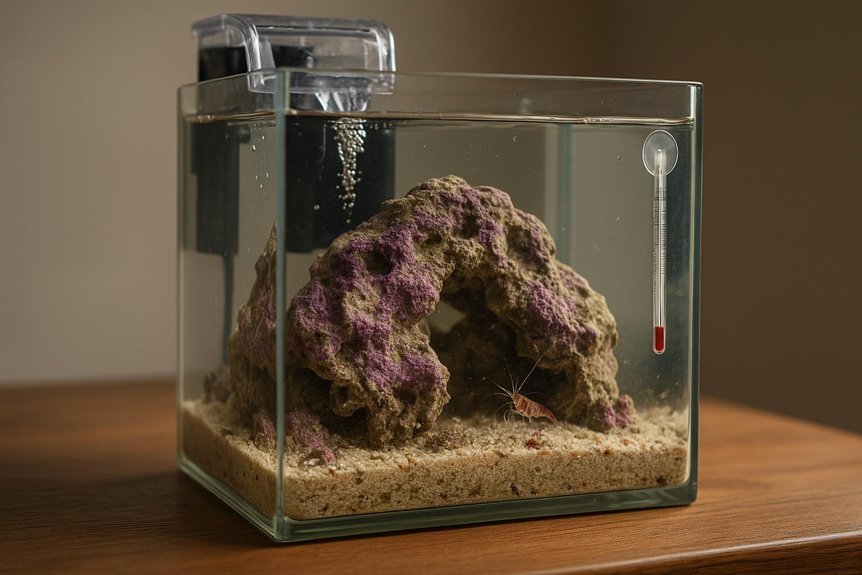
When you first set up your nano reef tank, it might feel like you’re just staring at a bowl of water, but there’s a lot happening beneath the surface! The cycling process is essential for creating a healthy environment for your fish and corals. Fundamentally, it’s about establishing beneficial bacteria that break down waste products, turning them into less harmful substances. You don’t want to rush this process; it can take several weeks. During this time, your tank will go through different stages, and you’ll notice changes in water parameters. Keep an eye on temperature and salinity, as they’re crucial for your tiny underwater world. Think of it as your tank’s way of getting ready for its big debut!
The Nitrogen Cycle Explained
Understanding the nitrogen cycle is like revealing a secret code to keeping your nano reef tank thriving. It’s all about how waste transforms into something useful. First, fish and other creatures produce ammonia from their waste. This ammonia is toxic, but don’t worry! Beneficial bacteria come to the rescue, converting ammonia into nitrites. These nitrites are also harmful, but another group of bacteria steps in, changing nitrites into nitrates, which are less dangerous. You can even use plants to help absorb these nitrates! Regular water changes help keep nitrate levels low, too. So, by nurturing these bacteria, you’re creating a balanced environment where your fish and corals can flourish. It’s like teamwork in your tiny ocean!
Factors Influencing Cycling Duration
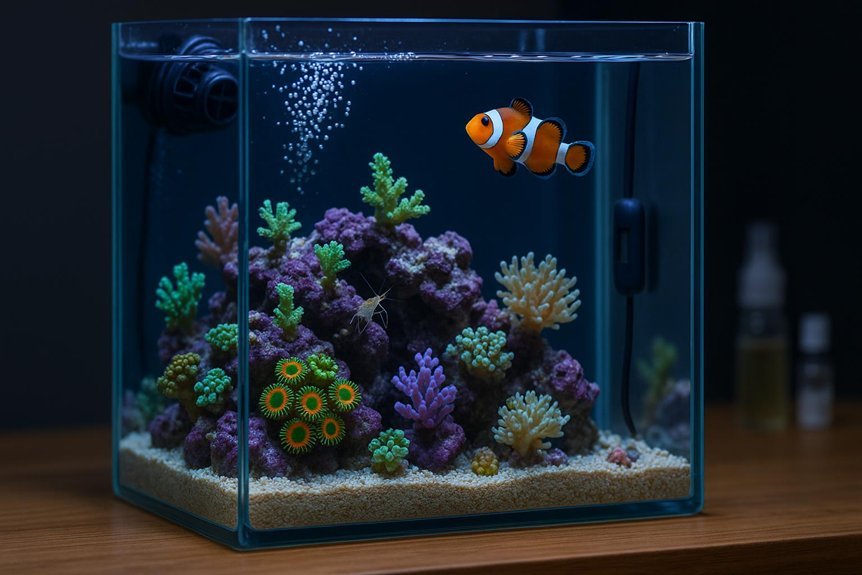
Several factors can influence how long it takes to cycle your nano reef tank, so it’s important to keep an eye on them. First, the tank size matters; smaller tanks often cycle faster but can also experience fluctuations more quickly. Your choice of filtration system plays a role too. A good filter helps maintain water quality, speeding up the cycling process. Temperature is another key factor; warmer waters can boost bacteria growth, while colder temperatures can slow it down. Finally, the amount of livestock you add affects ammonia levels, which is essential for the cycle. Remember, patience is important during this process. Rushing can lead to problems later on, and nobody wants an unhappy fish family!
Different Methods for Cycling a Nano Reef Tank
Cycling a nano reef tank can be done in a few different ways, each with its own pros and cons. One popular method is the fishless cycle, where you add ammonia to the tank instead of fish. This way, you avoid stressing out any poor little creatures. Alternatively, you can use live rock, which brings beneficial bacteria into your tank but might introduce unwanted hitchhikers. Another option is the “quick start” method, using bottled bacteria to jumpstart the cycling process. It’s faster but can be pricier. Whichever method you choose, make sure you monitor water parameters closely. After all, patience is key, and a little care goes a long way in creating your underwater paradise!
Signs That Your Tank Is Cycling Successfully
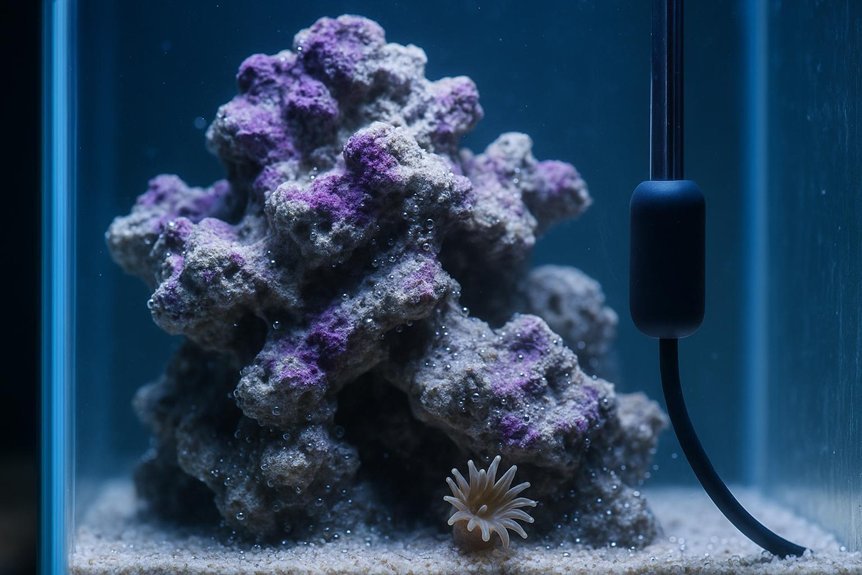
After choosing a method for cycling your nano reef tank, you might be keen to spot signs that everything is going well. One of the first signs is an increase in ammonia levels, which means beneficial bacteria are starting to grow. Next, you’ll notice nitrite spikes, indicating that those bacteria are busy breaking down ammonia. After a few days, nitrite levels will drop, and you’ll see a rise in nitrate levels. This is a good thing! It means your tank is nearing the end of the cycling process. Keep an eye on your water parameters, and you might even see some algae growth, which is a natural part of the cycle. Just remember, patience is key!
Common Mistakes to Avoid During Cycling
While cycling your nano reef tank can be a thrilling adventure, it’s easy to make mistakes that could set you back. One common mistake is adding too many fish too soon. Patience is key! You might feel tempted to fill your tank with colorful fish, but wait until it’s fully cycled. Another pitfall is overfeeding. It’s super easy to think your fish need more food, but excess food can pollute your tank and slow the cycling process. Finally, don’t forget about regular maintenance. Skipping water changes or not cleaning your filter can lead to problems. Remember, cycling takes time, and rushing through it can lead to a rollercoaster ride of challenges. Enjoy the journey, and your reef will thrive!
Testing Water Parameters During the Cycle
Testing your water parameters during the cycling process is essential for a successful nano reef tank. You’ll want to monitor ammonia, nitrite, and nitrate levels regularly. Ammonia should spike first, signaling that your tank is starting to cycle. Once it drops to zero, that’s good news! Next, you’ll see nitrites rise, followed by a decrease, which indicates more progress. Nitrates will then appear, showing that your tank is nearly ready for fish. Keeping track of these changes helps you know when it’s safe to add your first inhabitants. Don’t forget, each tank is unique, so be patient. It might feel like waiting for pizza delivery, but trust me, the results will be worth it!
The Role of Live Rock and Live Sand
As your tank cycles and those water parameters start to change, it’s the perfect time to think about adding live rock and live sand. These natural elements not only look great but also play an essential role in creating a healthy environment. Live rock is packed with beneficial bacteria that help break down waste, while live sand adds even more helpful microorganisms. Together, they create a mini-ecosystem that boosts your tank’s stability. Plus, they provide hiding spots for future fish and invertebrates, making your reef more inviting. Just remember to rinse them gently before adding them to avoid any unwanted debris. With live rock and sand, you’re one step closer to a thriving nano reef!
Adding Livestock: When Is It Safe?
So, when can you start adding livestock to your nano reef tank? It’s essential to wait until your tank is fully cycled, which usually takes about four to six weeks. You’ll know it’s ready when your ammonia and nitrite levels drop to zero, and nitrates are low. This means your tank’s bacteria are hard at work, keeping things safe for your new friends.
When you’re ready, start with a few hardy fish or invertebrates, like clownfish or snails. Introduce them slowly, giving your tank time to adjust. It’s like a party—don’t invite everyone at once! Keep an eye on water parameters and your livestock’s health. If all goes well, you’ll have a thriving little underwater world in no time!
Maintaining a Healthy Reef Environment Post-Cycle
Once you’ve added your first fish or invertebrates to your nano reef tank, the journey doesn’t stop there. Keeping your reef healthy is essential! Regular water tests will help you monitor parameters like pH, ammonia, and nitrates. Remember to do partial water changes every couple of weeks to keep those levels balanced. Your fish and invertebrates need clean water to thrive!
Don’t forget about feeding! Offer a varied diet, but avoid overfeeding, as leftover food can pollute the water. Also, check your equipment regularly, like filters and heaters, to make sure everything’s running smoothly. Finally, observe your tank daily. If something seems off, you’ll spot it early. With a little care, your nano reef will flourish, bringing you joy for years!
FAQ
Can I Speed up the Cycling Process Safely?
1. What is the cycling process in aquariums?
The cycling process refers to the establishment of beneficial bacteria that convert harmful ammonia and nitrites into less toxic nitrates. This process is essential for maintaining a healthy aquatic environment.
2. How can I speed up the cycling process safely?
You can accelerate cycling by introducing beneficial bacteria, using live rock or sand, and ensuring optimal water conditions. These methods help establish a stable ecosystem more quickly.
3. What role do beneficial bacteria play in cycling?
Beneficial bacteria break down waste products, such as ammonia and nitrites, which are toxic to fish. Introducing these bacteria can enhance the cycling process and improve water quality.
4. Is live rock necessary for cycling?
While not strictly necessary, live rock can significantly aid in speeding up the cycling process. It provides a natural habitat for beneficial bacteria and helps establish biological filtration.
5. Can I use live sand to help with cycling?
Yes, live sand can also be beneficial as it contains microorganisms that contribute to the cycling process. It helps create a diverse and healthy ecosystem in your aquarium.
6. What water conditions should I maintain during cycling?
Maintain stable water conditions, including appropriate temperature, pH, and salinity levels. Regular testing and adjustments will support the growth of beneficial bacteria.
7. How quickly can I expect to see results from speeding up the cycling process?
Results can vary, but with the right methods, you may notice the cycling process complete in a few weeks rather than several months. Regular monitoring will help you track progress.
8. What should I avoid when trying to speed up cycling?
Avoid overloading your tank with fish or other inhabitants too quickly. Doing so can lead to spikes in ammonia and nitrite levels, which can harm aquatic life.
9. How often should I test my water during cycling?
It’s advisable to test your water at least once a week during the cycling process. This helps you monitor ammonia, nitrite, and nitrate levels to ensure a safe environment for your aquarium.
10. What is the risk of speeding up the cycling process?
Rushing the cycling process without proper precautions can lead to an unstable environment, resulting in harmful spikes in toxic substances. Always ensure gradual changes and monitor water parameters closely.
Is It Necessary to Use a Heater During Cycling?
FAQs About Using Heaters During Cycling
1. Is it necessary to use a heater when cycling?
Yes, using a heater during cycling is recommended. It helps maintain a stable temperature that supports beneficial bacteria growth.
2. How does temperature affect the cycling process?
A stable temperature promotes the growth of beneficial bacteria, which accelerates the cycling process. Fluctuations in temperature can hinder this growth.
3. What temperature should I maintain for optimal cycling?
Aim to keep the temperature within the ideal range for your specific cycling process, typically between 75°F and 80°F (24°C to 27°C).
4. How often should I monitor the temperature during cycling?
It’s important to monitor the temperature closely throughout the cycling period. Regular checks can help ensure that conditions remain stable for optimal bacteria growth.
5. Can I use a heater in any type of cycling setup?
Heaters can be used in most cycling setups, but it’s essential to ensure they are appropriate for your specific system. Always follow the manufacturer’s guidelines.
6. What happens if the temperature gets too high?
If the temperature exceeds the recommended range, it can kill beneficial bacteria and disrupt the cycling process. This can lead to delays in achieving a stable environment.
7. Are there risks associated with using a heater?
Yes, improper use of a heater can lead to overheating or equipment failure. Always use heaters designed for aquarium or cycling purposes and monitor their operation carefully.
8. How can I safely heat my cycling setup?
Use a reliable aquarium heater or a temperature-controlled heating pad. Ensure it is suitable for the size of your cycling setup to prevent overheating.
9. What are the signs that my cycling process is successful?
Successful cycling is indicated by stable ammonia and nitrite levels dropping to zero, along with the presence of nitrate. This usually occurs when beneficial bacteria are thriving.
10. Can I cycle without a heater?
While it’s possible to cycle without a heater, it may take longer and be less effective. A heater helps ensure a more stable environment conducive to beneficial bacteria growth.
11. What should I do if my heater fails during cycling?
If your heater fails, replace it immediately and monitor the temperature closely. Rapid temperature changes can negatively affect the cycling process, so try to stabilize the environment as quickly as possible.
What Temperature Is Best for Cycling a Nano Reef Tank?
FAQ 1: What is the ideal temperature range for cycling a nano reef tank?
The ideal temperature range for cycling a nano reef tank is between 75°F and 80°F. This range supports the growth of beneficial bacteria essential for the cycling process.
FAQ 2: Why is temperature important during the cycling process?
Temperature plays a critical role in the cycling process because it affects the metabolic rate of beneficial bacteria. Maintaining an optimal temperature range ensures these bacteria thrive and establish a healthy environment.
FAQ 3: What happens if the temperature is too low during cycling?
If the temperature is too low, beneficial bacteria may not grow effectively, slowing down the cycling process. This can lead to prolonged ammonia and nitrite spikes, harming the tank’s future inhabitants.
FAQ 4: What are the consequences of cycling at temperatures above 80°F?
Cycling at temperatures above 80°F may lead to increased metabolism of bacteria but can also create an unstable environment. High temperatures can stress or kill beneficial organisms and lead to unwanted algae growth.
FAQ 5: How can I maintain the right temperature in my nano reef tank?
You can maintain the right temperature by using a reliable aquarium heater and a thermometer to monitor the water temperature regularly. Additionally, consider placing the tank away from direct sunlight or heat sources that could affect temperature stability.
FAQ 6: Is there a specific temperature for different marine life once the tank is cycled?
Yes, once the tank is cycled, different marine species may have specific temperature preferences. It’s essential to research the needs of your chosen livestock to ensure optimal living conditions.
FAQ 7: How long does it take to cycle a nano reef tank at the recommended temperature?
Cycling a nano reef tank typically takes 4 to 6 weeks when maintained within the ideal temperature range. However, the duration can vary based on factors such as tank size and the presence of beneficial bacteria.
FAQ 8: Can I use a chiller to regulate temperature during cycling?
Yes, a chiller can be an effective tool for regulating temperature, especially in warmer climates or during summer months. It helps maintain a stable environment that promotes healthy bacteria growth.
FAQ 9: Should I be concerned about temperature fluctuations during cycling?
Yes, temperature fluctuations can negatively impact the cycling process. Aim for a stable environment to ensure that beneficial bacteria thrive and the cycling process proceeds smoothly.
FAQ 10: How do I know if my tank is properly cycled?
You can determine if your tank is cycled by testing for ammonia, nitrite, and nitrate levels. A fully cycled tank will show zero ammonia and nitrite levels, with an increase in nitrate, indicating that beneficial bacteria have established a healthy ecosystem.
Should I Add Any Chemicals to Aid Cycling?
FAQs about Adding Chemicals to Aid Cycling
1. Should I use chemicals to speed up aquarium cycling?
No, it’s best to avoid chemicals unless absolutely necessary. Natural processes foster the growth of beneficial bacteria.
2. What is the role of beneficial bacteria in cycling?
Beneficial bacteria break down harmful waste in the aquarium, ensuring a stable and healthy environment for fish.
3. Can chemicals harm the cycling process?
Yes, chemicals can disrupt natural processes and hinder the establishment of beneficial bacteria, potentially leading to a less stable ecosystem.
4. How long does natural cycling usually take?
Natural cycling can take anywhere from a few weeks to several months, depending on various factors like water temperature and ammonia levels.
5. Why is patience important in cycling an aquarium?
Patience allows the ecosystem to develop naturally, resulting in healthier long-term outcomes and a more stable tank environment.
6. What happens if I rush the cycling process?
Rushing the cycling process can lead to high levels of ammonia and nitrites, which are harmful to fish and can result in an unstable aquarium.
7. Are there any emergencies where chemicals are appropriate?
In extreme cases, such as a toxic ammonia spike, some may consider using chemicals temporarily, but this should be a last resort.
8. How can I tell if my tank is cycling properly?
Monitoring ammonia, nitrite, and nitrate levels can indicate successful cycling; a drop in ammonia and nitrites alongside rising nitrates is a good sign.
9. What should I do if I notice high ammonia levels?
Instead of adding chemicals, perform partial water changes and monitor the tank closely to support beneficial bacteria growth.
10. Can I add fish during the cycling process?
It’s generally not advisable to add fish until the tank has fully cycled, as they can be stressed by harmful ammonia and nitrite spikes.
Can I Cycle a Tank Without Live Rock?
FAQ 1: Can I cycle a tank without live rock?
Yes, you can cycle a tank without using live rock.
FAQ 2: What alternatives can I use instead of live rock?
You can use bottled bacteria or ammonia sources to help establish beneficial bacteria in your tank.
FAQ 3: How do bottled bacteria work in the cycling process?
Bottled bacteria introduce the necessary microorganisms directly into the tank, speeding up the cycling process.
FAQ 4: What type of ammonia sources can I use?
You can use pure ammonia or fish food as an ammonia source to initiate the cycling process.
FAQ 5: How often should I monitor water parameters during cycling?
It’s important to monitor water parameters at least weekly to ensure the cycling process is progressing properly.
FAQ 6: What parameters should I be monitoring?
You should monitor ammonia, nitrite, and nitrate levels during the cycling process.
FAQ 7: How long does it take to cycle a tank without live rock?
Cycling a tank without live rock can take anywhere from a few weeks to several months, depending on the method used.
FAQ 8: Is patience important during the cycling process?
Yes, patience is key to allowing beneficial bacteria to establish and stabilize in the tank.
FAQ 9: Can I add fish before the tank is fully cycled?
No, it is not advisable to add fish until the tank is fully cycled to avoid harming them due to toxic ammonia or nitrite levels.
FAQ 10: What should I do if I notice high ammonia or nitrite levels?
If you notice high ammonia or nitrite levels, consider performing partial water changes to lower the toxicity while the tank continues to cycle.
Final Thoughts
Cycling your nano reef tank might take a few weeks, but it’s worth the wait! By understanding the nitrogen cycle and keeping an eye on water parameters, you’ll create a safe home for your future fish and corals. Remember, patience is key! Once your tank is stable, you can start adding your favorite marine life. So, kick back, enjoy the process, and soon enough, you’ll have a vibrant underwater world to admire. Happy reefing!