
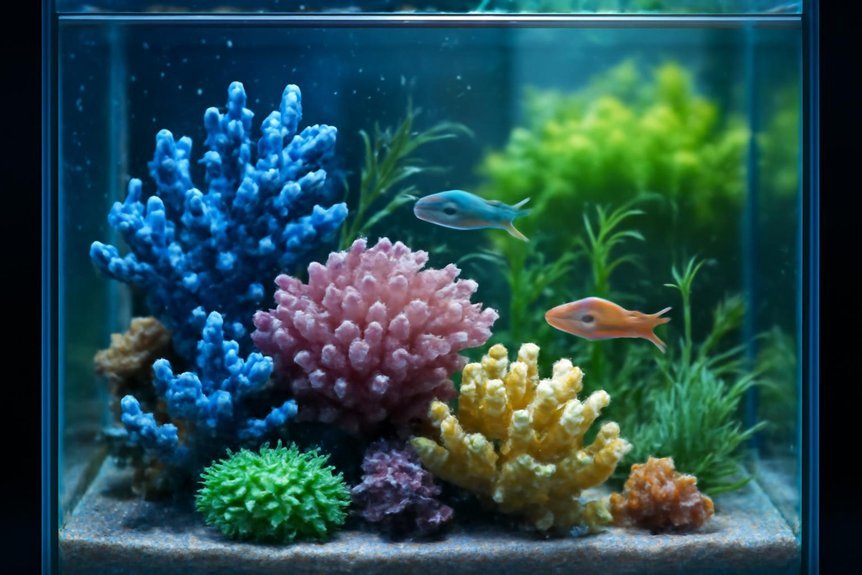
The 5 Best Nano Reef Tanks for Refugiums: Create Your Ultimate Aquatic Sanctuary
Are you a marine enthusiast looking to create a stunning nano reef tank? If you want to transform a small space into a vibrant aquatic sanctuary, you’re in the right place!
This guide is designed for both beginners and seasoned aquarists who want to explore the best nano reef tanks for refugiums. The right tank can solve the challenge of limited space while still allowing you to cultivate a thriving ecosystem filled with colorful fish and beautiful corals.
When selecting the ideal nano reef tank, there are several important criteria to consider. Size and shape are crucial for fitting into your desired location, while filtration and lighting will significantly impact the health of your marine life.
Additionally, look for tanks that provide ample space for live rock and coral placement, as well as easy access for maintenance.
With so many options available, it can be overwhelming to find the perfect fit for your aquatic haven. That’s why we’ve curated a list of the top five nano reef tanks that not only meet these criteria but also elevate your underwater experience.
Ready to dive in and discover your next tank? Scroll down to explore our top picks!
Coralland 8-Gallon Saltwater Aquarium
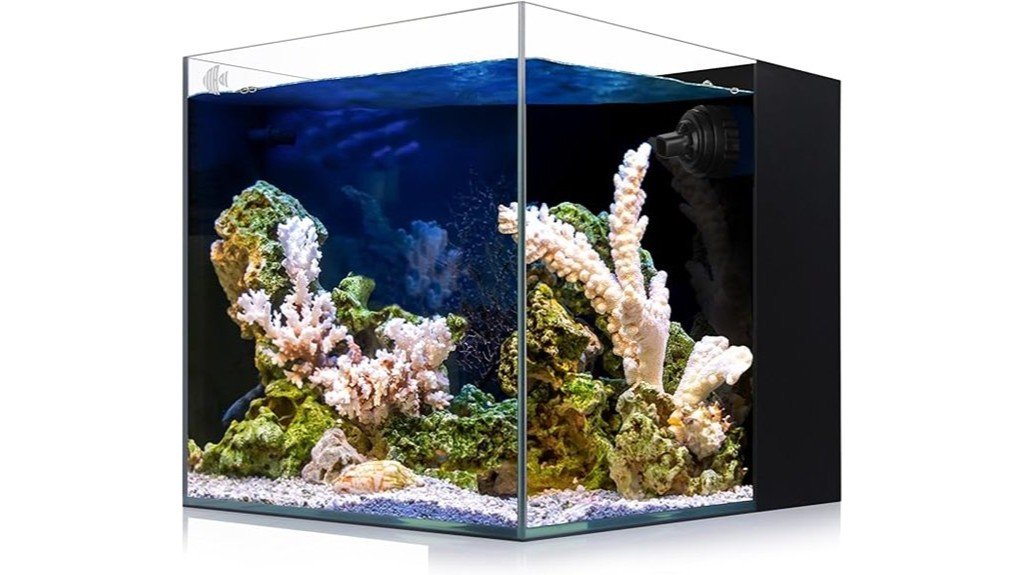
If you’re looking for a compact yet stunning option for your marine setup, the Coralland 8-Gallon Saltwater Aquarium might just be your new best friend. With a capacity of eight gallons, it features a 5.5-gallon display and a 2.5-gallon rear sump, perfect for saltwater fish, live rock, and corals. Its low iron ultra-clear glass gives you a crystal-clear view, while the modern 45° angled joint design adds a touch of elegance. Plus, it’s super easy to set up and maintain, making it ideal for both beginners and experienced aquarists. Just remember, you’ll need to grab your accessories separately!
Best For: Those seeking a compact and elegant aquarium setup for saltwater fish and coral, suitable for both beginners and experienced aquarists.
Pros:
- Premium low iron ultra-clear glass enhances visibility for an unobstructed view of the marine life.
- Modern 45° angled joint design adds aesthetic appeal and durability to the aquarium.
- User-friendly setup and maintenance make it accessible for aquarists of all experience levels.
Cons:
- The tank does not come with any accessories, requiring additional purchases for complete setup.
- Limited capacity may not be suitable for larger marine species or extensive coral systems.
- The rear sump size may restrict certain filtration options compared to larger tanks.
HelloReef 15 Gallon Beginner Clownfish Saltwater Aquarium Kit
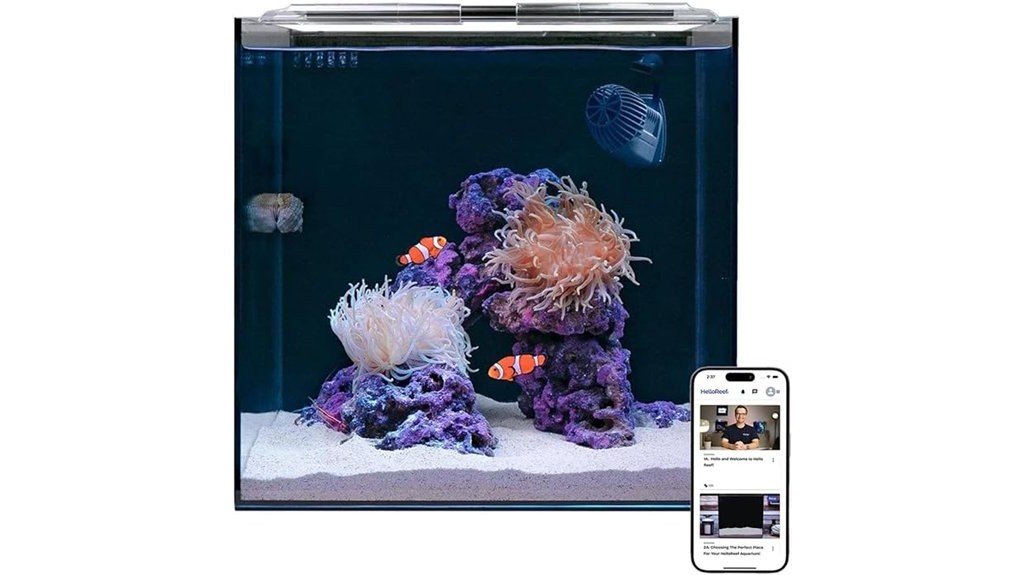
The HelloReef 15 Gallon Beginner Clownfish Saltwater Aquarium Kit is perfect for anyone keen to plunge into the world of saltwater aquariums, especially beginners. This complete kit comes with everything you need, like a filtration system, heater, and even fish food! With app-controlled smart LED lighting, you can easily customize your tank’s ambiance. Plus, the hidden multi-stage filtration helps create a natural habitat for your clownfish. You’ll also get access to guides and a supportive online community. Just keep in mind some users mentioned issues with components, but overall, it’s a fantastic start to your aquatic adventure!
Best For: Beginners looking to start their journey in saltwater aquariums with a comprehensive and user-friendly kit.
Pros:
- Complete kit includes all essential equipment needed for setup and maintenance.
- App-controlled smart LED lighting allows for customizable tank ambiance.
- Access to guides, tutorials, and a supportive online community enhances the beginner experience.
Cons:
- Some components are reported to be of lower quality.
- Lack of a lid may lead to fish jumping out of the tank.
- Thin glass quality has been a concern for some users.
CURRENT USA Orbit Marine IC LED Aquarium Light (36-48 Inch)

Looking for the perfect light to bring your nano reef tank to life? The CURRENT USA Orbit Marine IC LED Aquarium Light is just what you need! Designed for saltwater reefs, it features a full spectrum with vibrant colors that help your corals thrive. At less than ½ inch thick, it’s super sleek and easy to install. Plus, with its LOOP system, you can sync your lights and pumps for an amazing underwater experience. Want to mimic nature? This light simulates sunrise, sunset, and even storm effects! With customizable modes, your aquarium will be a stunning aquatic sanctuary.
Best For: Aquarists looking to enhance their saltwater reef tanks with a sleek, customizable, and technologically advanced lighting solution.
Pros:
- Full spectrum control with vibrant colors promoting coral growth and fluorescence.
- Innovative LOOP system allows for syncing lights and pumps, enhancing the overall aquarium experience.
- Multiple customizable modes simulate natural environmental conditions, including sunrise, sunset, and storm effects.
Cons:
- May require additional accessories for expanded features, which could increase overall costs.
- Limited warranty period on lamps (only three months), which may concern some users regarding longevity.
- Installation may require adjustments for specific tank sizes, though it is generally straightforward.
Hygger Horizon 8 Gallon LED Glass Aquarium Kit
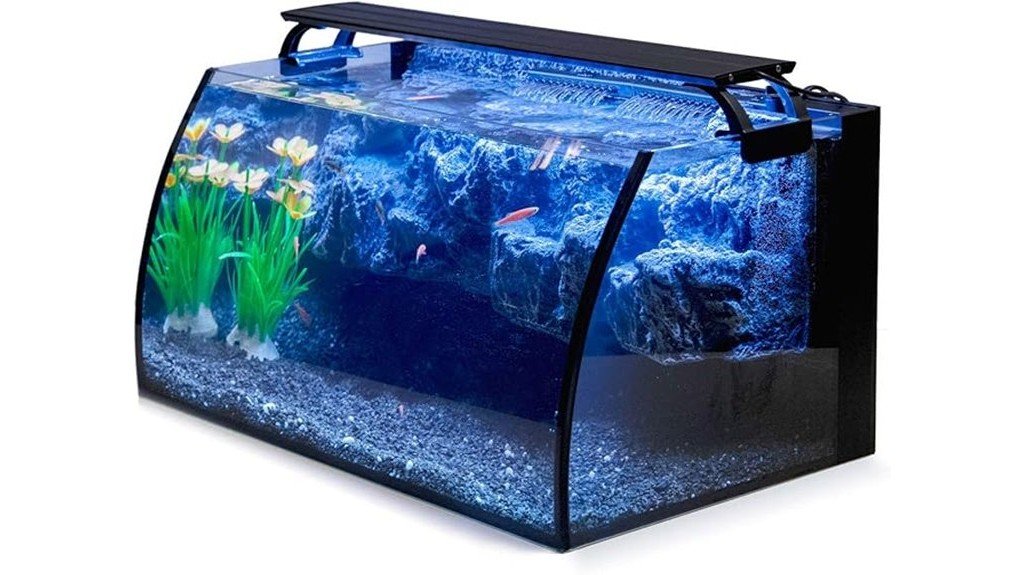
For anyone enthusiastic to plunge into the world of nano reef tanks, the Hygger Horizon 8 Gallon LED Glass Aquarium Kit is a fantastic choice. This kit includes an 8-gallon glass tank, a powerful 7W filter, and a vibrant 18W LED light. The 3D rockery background not only looks cool but also gives your fish places to hide and greenery to enjoy. You can easily adjust the lighting to match your fish’s mood, thanks to the digital controller. Just remember, the filter’s strong current might be a bit much for tiny fish. Overall, it’s a great way to start your aquatic adventure!
Best For: Aquarists looking to start a nano reef tank with an aesthetically pleasing design and adjustable LED lighting.
Pros:
- Compact 8-gallon size is perfect for small spaces and beginners.
- Adjustable LED lighting with multiple modes enhances the aquarium’s ambiance.
- The 3D rockery background provides both aesthetic appeal and shelter for fish.
Cons:
- The filter’s strong current may not be suitable for fish under 2 inches.
- Total usable water volume is reduced to 6 gallons due to the background decor.
- Weighs approximately 68 pounds when full, making it less portable.
NICREW 2.5 Gallon Nano Nature Aquarium Kit
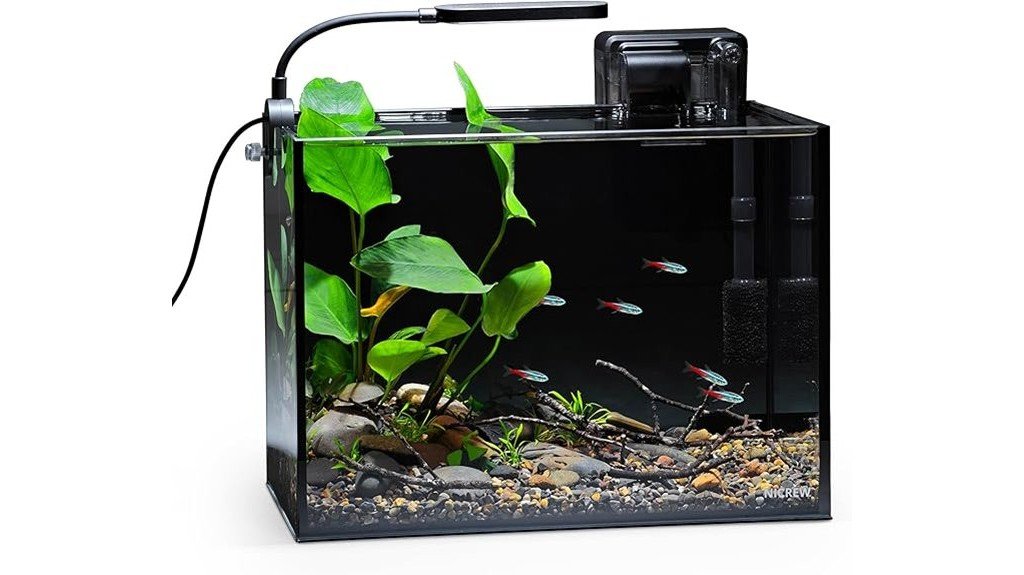
If you’re on the hunt for a stylish and compact aquarium, the NICREW 2.5 Gallon Nano Nature Aquarium Kit is a fantastic choice! This ultra-clear rimless tank is perfect for small fish, shrimp, or even a betta. You’ll love how easy it is to set up, thanks to the step-by-step guide included. Plus, the high-clarity glass gives you an amazing view of your aquatic world, making every fish look like a superstar. With premium filtration and lighting, your tank stays clear and your plants thrive, all with minimal effort. It’s a great way to create your own aquatic sanctuary!
Best For: Anyone looking for a stylish and easy-to-maintain aquarium suitable for small fish, shrimp, or betta.
Pros:
- Easy setup with beginner-friendly instructions included.
- High-clarity glass enhances visibility for an immersive viewing experience.
- Compact design fits well on desktops and countertops.
Cons:
- Limited capacity may not be suitable for larger fish or multiple species.
- Requires regular maintenance to keep water clear and healthy.
- The compact size may restrict aquascaping options.
Factors to Consider When Choosing Nano Reef Tanks for Refugiums
When you’re choosing a nano reef tank for your refugium, there are a few key factors you shouldn’t overlook. Think about the tank size, since it can impact your aquatic life, and consider the filtration system’s quality—nobody wants murky water! Also, check out lighting options and how well the materials will hold up over time, making sure everything’s compatible with your chosen livestock.
Tank Size Considerations
Choosing the right tank size for your nano reef refugium can make all the difference in creating a thriving underwater ecosystem. Typically, these tanks range from 2.5 to 15 gallons, fitting nicely in smaller spaces. An 8-gallon tank is a sweet spot, providing enough room to keep water parameters stable while housing various fish and live rock. Remember, aim for at least 1 gallon per inch of fish to avoid overcrowding. If you go smaller than 5 gallons, watch out! Water quality can change quickly, so monitor it closely. Also, consider the tank’s height and dimensions; good water flow and light penetration are essential for the health of your aquatic friends. Happy tanking!
Filtration System Quality
Quality filtration systems are the unsung heroes of nano reef tanks, working tirelessly to keep your underwater paradise clean and healthy. A high-quality filter removes debris, toxins, and excess nutrients, ensuring your marine life thrives. Multi-stage filtration is often the way to go, combining mechanical, biological, and chemical processes for a stable environment. It’s also essential to choose a filter pump with a flow rate that matches your tank size—aim for a turnover rate of 5-10 times your tank volume per hour. Plus, quiet operation matters, especially if your tank’s in a living space. Don’t forget regular maintenance, like cleaning and replacing filter media, to keep everything running smoothly and extend your filter’s life. Happy filtering!
Lighting Options Available
With a well-maintained filtration system keeping your nano reef tank clean, it’s time to shine a light on another key aspect—lighting options. When picking lights, consider full-spectrum LED fixtures that provide both blue and white light. This combo helps your corals grow and glow beautifully! Adjustable systems let you customize the intensity and spectrum, perfect for different coral species. Plus, many lights can simulate natural day-night cycles, boosting your reef’s health. Energy-efficient LEDs are your friends, too, since they produce less heat, helping to keep water temperatures stable. Don’t forget to look for fun modes like moonlight or storm effects, creating a dynamic and enchanting environment for both you and your aquatic friends!
Compatibility With Livestock
When you plunge into the world of nano reef tanks, it’s essential to think about which fish and corals will share your little underwater paradise. Nano tanks are perfect for small fish species, invertebrates, and corals, but not all creatures get along. Some fish can be territorial or aggressive, which might stress out their tank mates. Remember, the size of your tank will impact how many fish you can keep, so pick species that won’t outgrow their homes. Clownfish are great for beginners and thrive in smaller tanks. Also, make sure your fish play nice with live rock and corals, as some might nip at them and disrupt the delicate balance of your reef. Happy reefing!
Material Durability Factors
Choosing the right materials for your nano reef tank is essential if you want to create a thriving underwater haven. Start with glass; picking premium low iron ultra-clear glass can give you both great visibility and strength. Thicker panels are also a smart choice since they resist breakage and stress better. Look for tanks with reinforced corners and special joint angles; these features boost structural integrity and help prevent leaks. Remember, regular cleaning is key to keeping your tank’s material in good shape, so don’t skip that! Finally, consider environmental factors like temperature and salinity; they can impact how long your tank lasts. Picking the right materials now will pay off in the long run, trust me!
Maintenance Requirements Overview
Maintaining a nano reef tank might sound like a big task, but it can be a fun and rewarding experience! To keep your aquatic sanctuary thriving, you’ll need to do regular water changes—aim for 10-20% every 1-2 weeks. Monitoring water parameters is essential too; make sure salinity, pH, and ammonia levels are just right for your reef friends. Don’t forget to clean your filters and pumps every few weeks to keep everything running smoothly. Keeping the temperature stable between 75°F and 82°F is critical for your marine life. Finally, manage light cycles carefully; your corals will love about 8-12 hours of light daily, but watch out for pesky algae! Happy tanking!
Aesthetic Design Appeal
Creating a stunning nano reef tank for your refugium isn’t just about the fish and corals; it’s also about how it looks in your space. You’ll want to take into account sleek, modern designs, like low iron ultra-clear glass. This type of glass enhances visibility, making your aquatic display pop with vibrant colors! Unique shapes, such as convex arcs, not only strengthen the tank but also offer an attractive viewing experience. Adding 3D backgrounds can give depth and provide hiding spots for your marine life, making it visually interesting. Plus, LED lighting with adjustable color settings can truly enhance the beauty of your corals. Finally, hiding filtration systems keeps your tank looking clean and tidy, creating a more appealing aquascape.
Setup and Installation Ease
When you immerse yourself in setting up a nano reef tank for your refugium, you’ll want to make the process as smooth as possible. Look for models that come with user-friendly designs, as they simplify the initial setup, especially for beginners. Clear instructions or guides can save you time and effort, so you can focus more on creating your aquatic paradise. Make certain the tank is compatible with essential components like filtration systems and lighting, which enhance your setup experience. Also, check for design features like pre-glued leveling mats or included lids, as they streamline installation. Finally, consider the tank’s dimensions and shape to guarantee easy access for cleaning and aquascaping, helping you maintain your mini-ecosystem effortlessly!
FAQ
What Types of Fish Are Best for Nano Reef Tanks?
FAQ 1: What are the best fish species for nano reef tanks?
Small, peaceful species are ideal for nano reef tanks. Popular choices include clownfish, gobies, and royal gramma.
FAQ 2: Why are clownfish suitable for nano reef tanks?
Clownfish are small and hardy, making them perfect for confined spaces. Their vibrant colors also enhance the aesthetic of the tank.
FAQ 3: How do gobies fit into a nano reef tank?
Goby species are generally small and peaceful, which allows them to coexist well with other fish. They also contribute to the tank’s biodiversity.
FAQ 4: What is unique about royal gramma fish?
Royal gramma are known for their striking purple and yellow coloration, adding vibrancy to nano reef tanks. They are also territorial but typically peaceful.
FAQ 5: Can I keep multiple species in a nano reef tank?
Yes, but it’s essential to choose species that are compatible and have similar temperaments. Overcrowding can upset the tank’s balance.
FAQ 6: What size nano reef tank is recommended for these fish?
A nano reef tank should ideally be at least 10 gallons to provide enough space for small fish like clownfish and gobies.
FAQ 7: Are there any fish species to avoid in nano reef tanks?
Avoid large or aggressive species that may stress smaller fish or disrupt the ecosystem. Species like angelfish and triggers are generally not recommended.
FAQ 8: How many fish can I keep in a nano reef tank?
The general rule is one inch of fish per gallon of water, but consider the specific needs and behaviors of the species you select.
FAQ 9: Can invertebrates be added alongside fish in a nano reef tank?
Yes, many invertebrates, such as shrimp and snails, can coexist with small fish, enhancing the tank’s diversity. However, ensure they are compatible.
FAQ 10: How can I maintain water quality in a nano reef tank with fish?
Regular water testing and maintenance are crucial for keeping the environment healthy. Perform partial water changes and monitor parameters like pH and ammonia levels.
How Often Should I Perform Water Changes in a Nano Reef Tank?
FAQ 1: How often should I change water in my nano reef tank?
You should change the water in your nano reef tank every one to two weeks to maintain water quality.
FAQ 2: What percentage of water should I replace during a water change?
During each water change, aim to replace about 10-20% of the water to ensure stability in your tank.
FAQ 3: Why are water changes important for my nano reef tank?
Water changes help to remove toxins and replenish essential minerals, creating a healthier environment for your aquatic life.
FAQ 4: Can I perform water changes more frequently than every week?
While it is possible to change water more frequently, doing so too often can disrupt the tank’s stability. Stick to the recommended schedule for best results.
FAQ 5: What tools do I need to perform a water change?
To perform a water change, you’ll need a siphon or gravel vacuum, a clean container for new saltwater, and water conditioner if necessary.
FAQ 6: Should I test my water parameters before doing a water change?
Yes, it’s a good practice to test your water parameters regularly. This helps you determine if a water change is needed or if adjustments are required.
FAQ 7: What should I do with the old water after a change?
Dispose of the old water responsibly; you can use it for watering plants or gardens, but avoid using it on sensitive plants due to potential contaminants.
FAQ 8: Can water changes affect the cycling process of my nano reef tank?
If your tank is still cycling, perform smaller water changes cautiously to avoid disrupting the beneficial bacteria needed for the process.
FAQ 9: Is it necessary to use salt mix for water changes?
Yes, for a nano reef tank, always use a proper salt mix to match the salinity and chemistry of your reef environment.
FAQ 10: How do I prepare new water for my nano reef tank?
Mix the salt mix with dechlorinated water and allow it to aerate for at least 24 hours before adding it to your tank to ensure it’s safe for your aquatic life.
Can I Use Tap Water for My Reef Tank?
FAQs about Using Tap Water for Reef Tanks
1. Can I use tap water for my reef tank?
Yes, you can use tap water, but it’s not recommended due to potential harmful impurities.
2. What impurities are commonly found in tap water?
Tap water may contain chlorine, heavy metals, and other contaminants that can negatively impact aquatic life.
3. What are the risks of using tap water in a reef tank?
The impurities in tap water can cause stress, illness, or even death in sensitive marine organisms.
4. What is the best type of water to use for a reef tank?
Filtered or Reverse Osmosis/Deionized (RO/DI) water is considered the safest option for reef tanks.
5. How does chlorine affect reef tank inhabitants?
Chlorine can be toxic to fish and invertebrates, leading to respiratory issues and other health problems.
6. Are heavy metals in tap water a concern for reef tanks?
Yes, heavy metals can accumulate in the tank, causing toxicity and long-term health issues for marine life.
7. Can I treat tap water to make it safe for my reef tank?
While treatments exist to remove chlorine and some impurities, they may not eliminate all harmful substances.
8. What are the benefits of using RO/DI water?
RO/DI water is free from impurities, providing a stable and safe environment for your reef tank inhabitants.
9. Is there a cost difference between tap water and RO/DI water?
Tap water is usually cheaper, but the long-term health of your reef tank may justify the investment in RO/DI systems.
10. How can I test my tap water for impurities?
You can use water testing kits to measure chlorine, heavy metals, and other contaminants in your tap water.
11. Should I mix tap water with RO/DI water?
Mixing may dilute some contaminants, but it’s generally better to use 100% RO/DI water for optimal water quality in a reef tank.
What Is the Ideal Temperature for a Nano Reef Tank?
1. What is the ideal temperature range for a nano reef tank?
The ideal temperature range for a nano reef tank is between 76°F and 82°F. This temperature range supports the health of corals and fish.
2. Why is temperature stability important in a nano reef tank?
Maintaining a stable temperature within the ideal range is crucial for the well-being of marine life. Fluctuations can lead to stress and health issues for corals and fish.
3. What happens if the temperature exceeds 82°F in a nano reef tank?
Exceeding 82°F can cause stress to the inhabitants, leading to potential coral bleaching and fish diseases. It is essential to monitor and control temperatures to prevent these issues.
4. Can lower temperatures affect a nano reef tank?
Yes, temperatures below 76°F can also harm marine life. Prolonged exposure to cold can weaken corals and fish, making them more susceptible to illness.
5. How can I monitor the temperature in my nano reef tank?
Using a reliable aquarium thermometer is the best way to monitor temperature. Digital thermometers provide accurate readings and can be easier to read than traditional ones.
6. What equipment can help maintain the ideal temperature?
Aquarium heaters and chillers are essential for maintaining the desired temperature. Heaters provide warmth, while chillers help cool the water when necessary.
7. How often should I check the temperature in my nano reef tank?
It is advisable to check the temperature daily, especially in the warmer months or during seasonal changes. Regular monitoring helps catch any fluctuations early.
8. What are the signs of temperature stress in corals and fish?
Signs of temperature stress include coral bleaching, lethargy in fish, and abnormal swimming patterns. These symptoms indicate that the temperature may not be within the ideal range.
9. Is there a specific temperature range for different coral species?
While 76°F to 82°F is generally ideal for most corals, some species may have specific preferences. Researching individual coral needs can help optimize their health.
10. How can I quickly adjust the temperature if it’s out of the ideal range?
If the temperature is too high, you can reduce it by adding ice packs or turning on a chiller. If it’s too low, gradually increase the temperature using a heater, avoiding sudden changes to prevent shock.
How Do I Prevent Algae Growth in My Aquarium?
FAQs on Preventing Algae Growth in Your Aquarium
1. What water parameters should I maintain to prevent algae?
Stable water parameters, including pH, ammonia, nitrites, and nitrates, are crucial. Regular testing helps ensure these levels remain optimal for preventing algae growth.
2. How can I limit light exposure in my aquarium?
Reduce the duration of light exposure to around 8-10 hours a day. Consider using a timer to ensure a consistent light schedule that discourages excessive algae growth.
3. Why is proper filtration important for controlling algae?
Effective filtration helps remove excess nutrients and waste from the water, which can fuel algae growth. Ensure your filter is appropriately sized for your aquarium.
4. How often should I perform water changes?
Regular water changes, ideally 10-15% weekly, help maintain water quality and reduce nutrient levels. This practice is essential for keeping algae at bay.
5. What role does overfeeding play in algae growth?
Overfeeding introduces excess nutrients into the aquarium, promoting algae growth. It’s important to feed only what your fish can consume in a few minutes.
6. Can I use live plants to help control algae?
Yes, live plants compete with algae for nutrients and can help reduce its growth. Ensure you select appropriate plants that thrive in your aquarium conditions.
7. Are there specific algae-eating fish I can add?
Certain fish, like Siamese algae eaters or otocinclus, can help control algae. However, ensure they are compatible with your existing fish before adding them.
8. What should I do if I already have an algae problem?
If algae is present, consider manual removal during water changes and adjust your maintenance routine. You may also want to decrease light exposure and nutrient levels.
9. Is it safe to use chemical treatments for algae?
While chemical treatments can be effective, they may harm beneficial bacteria and other aquatic life. Always follow product instructions and consider natural methods first.
10. How does temperature affect algae growth?
Warmer water temperatures can promote algae growth, as many species thrive in heat. Keeping your aquarium at a stable, moderate temperature can help mitigate this issue.
Final Thoughts
Here’s a concise summary of the top five nano reef tanks that can transform your aquatic dreams into reality!
- Tank A: Perfect for beginners who want an easy setup without compromising on aesthetics. Its user-friendly design and included lighting make it a great starting point for those new to reef keeping.
- Tank B: Ideal for those on a budget, offering solid performance without breaking the bank. You can enjoy a beautiful reef environment while keeping your finances in check.
- Tank C: Tailored for advanced users seeking flexibility and customization options. This tank allows experienced aquarists to fully express their creativity and expertise in marine aquascaping.
- Tank D: A superb choice for those prioritizing durability. Built with high-quality materials, this tank ensures longevity while maintaining excellent performance for your aquatic life.
- Tank E: Best for users looking for a balance between performance and aesthetics. It combines effective filtration and lighting with a sleek design, making it a great centerpiece for any space.
Choose Tank A if you’re just starting out, choose Tank B if you need to stick to a budget, choose Tank C if you’re an experienced aquarist, choose Tank D if longevity is your top priority, and choose Tank E if you want a perfect blend of beauty and functionality. Happy reef keeping!