5 Best Nano Reef Tanks Perfect for Shrimp-Only Setups: A Comprehensive Guide
Are you a shrimp enthusiast looking to create the perfect nano reef tank for your little aquatic friends? You’re in the right spot!
Setting up a shrimp-only aquarium can be a rewarding experience, but choosing the right tank is crucial for their health and happiness. With countless options available, selecting the ideal setup can be daunting.
In this guide, we’ve carefully curated a list of the five best nano reef tanks specifically designed for shrimp-only environments.
We focused on key criteria such as tank size, filtration, ease of maintenance, and overall shrimp-friendliness to ensure your shrimp thrive in their new home. Each of these tanks provides a safe and stimulating habitat, so you can enjoy watching your shrimp flourish.
Ready to find the perfect tank for your shrimp? Scroll down to discover our top picks and get started on creating a vibrant underwater haven for your little companions!
hygger Horizon 8 Gallon LED Glass Aquarium Kit
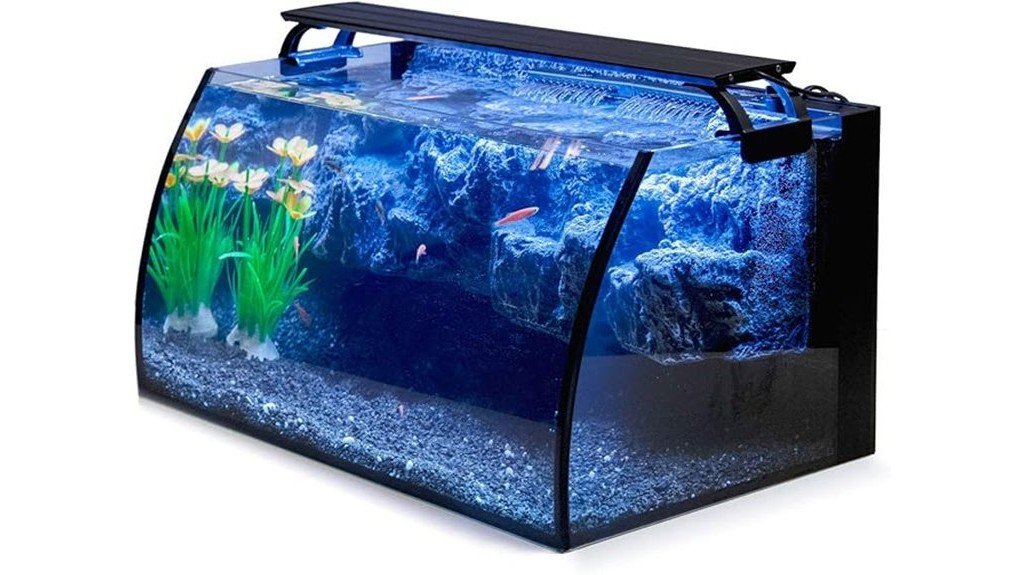
If you’re looking to create a stunning shrimp-only setup, the hygger Horizon 8 Gallon LED Glass Aquarium Kit could be just what you need! This sleek aquarium comes with an 8-gallon glass tank, a quiet 7W filter pump, and an amazing 3D rockery background. The LED light is adjustable, so you can set the brightness and timer just how you like it. Plus, it has different light modes to make your tank vibrant and lively! The unique design enhances your viewing experience, making your shrimp feel right at home. It’s perfect for shrimp lovers wanting an eye-catching display!
Best For: Shrimp enthusiasts seeking a stylish and functional aquarium setup for their aquatic pets.
Pros:
- Sleek 8-gallon glass tank with a unique convex arc design for enhanced viewing.
- Adjustable LED lighting with multiple modes to create a vibrant environment for shrimp.
- Quiet 7W filter pump with a two-stage filtration system for maintaining water quality.
Cons:
- The filter may be too powerful for very small shrimp, requiring caution.
- Limited to a maximum usable volume of 6 gallons due to the 3D background decor.
- The tank is relatively heavy, weighing approximately 68 pounds when filled.
Fluval Evo XII Saltwater Aquarium Kit (13.5 Gal)
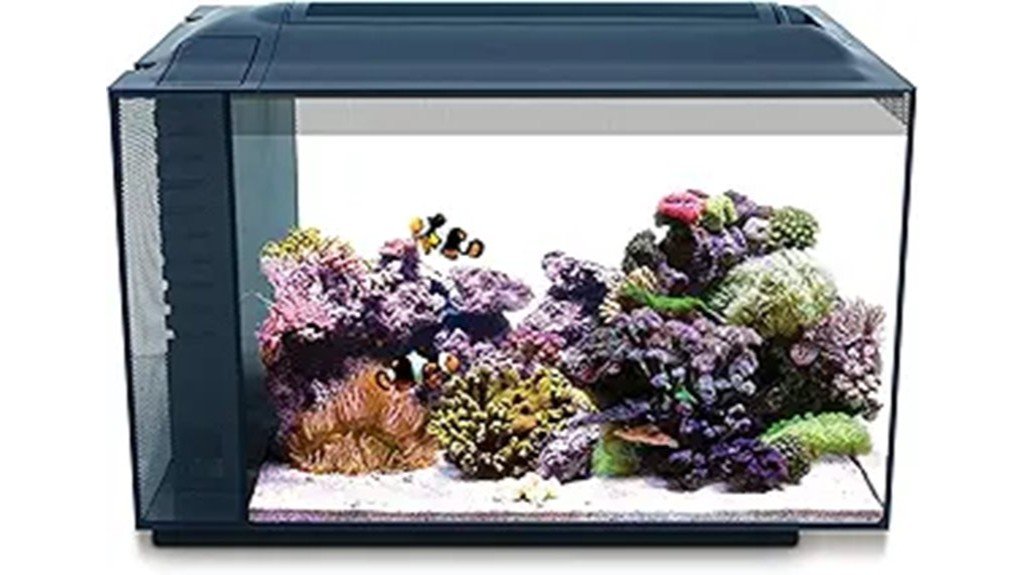
The Fluval Evo XII Saltwater Aquarium Kit (13.5 Gal) is a fantastic choice for anyone looking to create a stunning nano reef tank specifically for shrimp. With its stylish honeycomb design and sleek aluminum casing, this aquarium not only looks great but also hides the filter compartment. Plus, its powerful 3-stage filtration system keeps the water clean and healthy for your shrimp. The built-in LED light offers day and night options, making it easy to showcase your underwater world. At 13.5 gallons, it’s perfect for your shrimp-only setup, giving them plenty of space to thrive and explore!
Best For: The Fluval Evo XII Saltwater Aquarium Kit is best for aquarists looking to establish a beautiful and functional nano reef tank specifically for shrimp.
Pros:
- Stylish design with a honeycomb pattern that conceals the rear filter compartment and enhances aesthetics.
- Powerful 3-stage filtration system ensures clean and healthy water for shrimp.
- LED lighting with day and night functionality provides excellent illumination for showcasing the aquarium.
Cons:
- Limited to 13.5 gallons, which may restrict the number and size of shrimp.
- Requires additional setup for optimal reef conditions, including water parameters and live rock.
- The aluminum casing may be prone to corrosion if not maintained properly in a saltwater environment.
Coralife LED BioCube Aquarium Fish Tank Kit (32 Gallon)
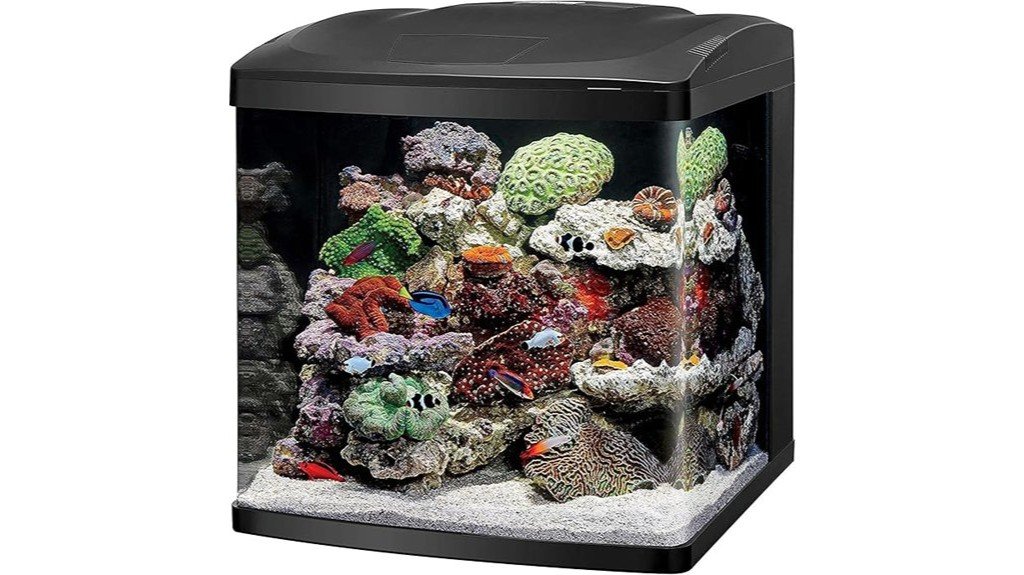
Looking for a stylish aquarium that’s perfect for your shrimp-only setup? The Coralife LED BioCube Aquarium Fish Tank Kit (32 Gallon) is just what you need! With its sleek, modern design and vibrant LED lighting, it’ll make your shrimp feel right at home. Setting it up is a breeze, thanks to the compact filtration system and quiet pump. You’ll love the integrated timer that simulates natural sunlight, giving your tank a beautiful glow. Plus, it’s suitable for both beginners and experts, so you’re in good hands. Just be ready for some fun adjustments to get it just right!
Best For: The Coralife LED BioCube Aquarium Fish Tank Kit is best for both beginners and experts looking for a stylish and functional aquarium for their shrimp-only setup.
Pros:
- Easy setup with a compact filtration system and quiet pump.
- Vibrant LED lighting enhances the aesthetic appeal and supports healthy growth.
- Integrated timer simulates natural sunlight for a beautiful glow.
Cons:
- Some users report noise from the filter motor.
- Programmable timer can be complex to set up without prior experience.
- Additional modifications and equipment may be needed for optimal performance.
HelloReef 15 Gallon Clownfish Saltwater Aquarium Kit
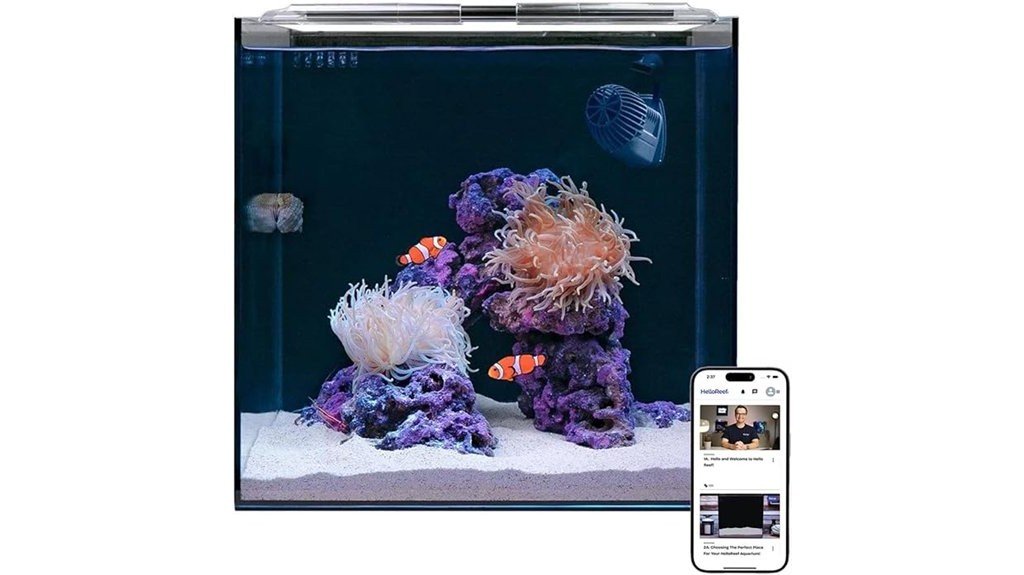
For anyone enthusiastic to immerse themselves in the exciting world of saltwater aquariums, the HelloReef 15 Gallon Clownfish Saltwater Aquarium Kit stands out as a fantastic option. This complete kit has everything you need, including a filtration system, heater, and even smart LED lighting that you can control with an app! It’s designed for beginners and seasoned aquarists alike. Plus, you’ll get access to exclusive guides and a friendly online community for support. Just remember, some users mentioned issues with certain components, but overall, it’s a great starter tank. Immerse yourself, and let the underwater adventure begin!
Best For: Beginners and experienced aquarists looking for a complete and user-friendly saltwater aquarium kit to start their underwater adventure.
Pros:
- Comprehensive package includes everything needed to set up a saltwater aquarium, making it ideal for novices.
- App-controlled smart LED lighting adds convenience and enhances the aquarium’s aesthetic appeal.
- Access to exclusive guides and a supportive online community helps users navigate their aquarium journey.
Cons:
- Some components are reported to be of cheaper quality, which may affect durability.
- Absence of a lid may lead to fish jumping out, posing a risk to the aquatic life.
- Thin glass quality has been noted, raising concerns about the tank’s sturdiness.
Coralland 8-Gallon Saltwater Aquarium
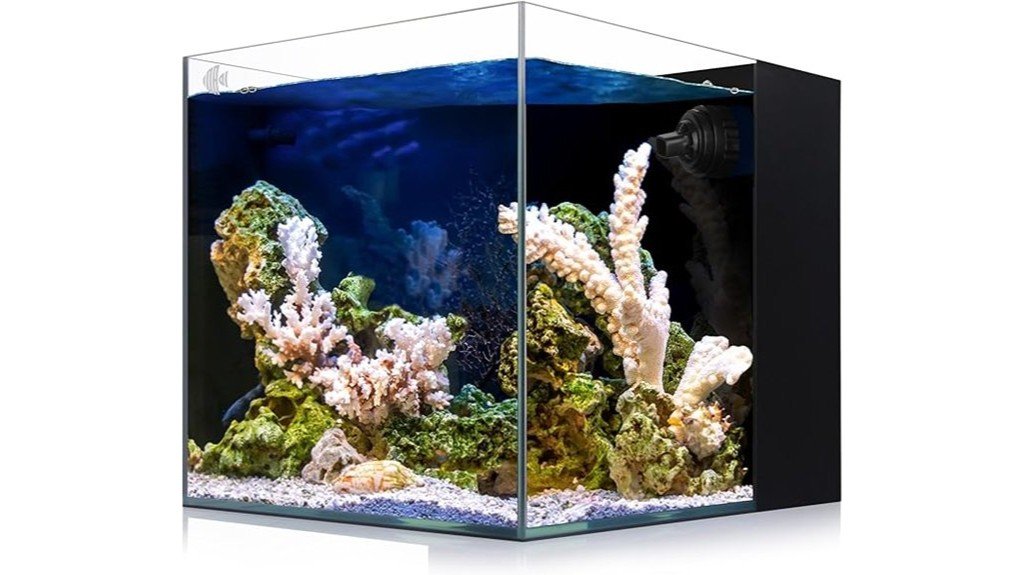
If you’re dreaming of a vibrant underwater world filled with colorful shrimp, the Coralland 8-Gallon Saltwater Aquarium could be your perfect match. With a display capacity of 5.5 gallons and a rear sump of 2.5 gallons, it’s a great size for small marine setups. The premium low iron glass gives you crystal-clear visibility, letting you enjoy every little detail of your shrimp’s activities. Plus, its modern design with reinforced corners adds durability. Setting it up is a breeze, making it ideal for both beginners and seasoned aquarists. Just remember, you’ll need to grab accessories separately for a complete setup!
Best For: The Coralland 8-Gallon Saltwater Aquarium is best for aquarists looking to create a small marine environment, whether they are beginners or experienced fish keepers.
Pros:
- Premium low iron glass offers enhanced visibility and reduces greenish tint.
- User-friendly design simplifies setup and maintenance for all skill levels.
- Compact size makes it perfect for small spaces or desktop displays.
Cons:
- Accessories are not included, requiring additional purchases for a complete setup.
- Limited capacity may not be suitable for larger marine fish or complex reef systems.
- The small rear sump may restrict filtration options compared to larger aquariums.
Factors to Consider When Choosing Nano Reef Tanks for Shrimp Only Setups
When you’re picking a nano reef tank for your shrimp-only setup, there are a few key factors to contemplate. You’ll want to consider tank size, the right filtration system, and lighting that suits your shrimp’s needs. Plus, don’t forget about compatibility and how much maintenance you’re willing to do—these details can make a big difference in your shrimp’s happiness!
Tank Size Considerations
Choosing the right tank size for your shrimp-only nano reef setup can make a big difference in their happiness and health. For most shrimp, a minimum of 10 gallons is recommended, as it helps maintain stable water conditions and gives them room to swim without stressing out. If you have the space, consider going for a larger tank, like 15 to 20 gallons. It not only offers better stability but also allows for more creative aquascaping! Keep in mind the species of shrimp you want, too. Some need more space to feel comfortable and establish their territories. Plus, remember that decorations and substrate take up space, so factor that into your tank’s total volume. Happy shrimp keeping!
Filtration System Types
Finding the right filtration system for your shrimp-only nano reef tank is essential for keeping your little critters happy and healthy. You’ll want a gentle flow, especially for small or molting shrimp, so they don’t get stressed. A multi-stage filtration system is your best bet, combining mechanical, chemical, and biological filtration to keep the water clean. Plus, make sure the system runs quietly—no one likes a noisy neighbor, even in the fish world! Look for tanks with customizable filtration chambers, too; it makes maintenance easier and lets you tweak the filter media based on your shrimp’s needs. Finally, pick a filter that’s the right size for your tank to avoid overwhelming your delicate shrimp friends with strong currents.
Lighting Requirements
Lighting plays an essential role in your shrimp-only nano reef tank, as it not only helps plants grow but also keeps your shrimp happy. For ideal shrimp health, aim for lighting that provides 50 to 100 lumens per gallon. LED lights are a great choice since they’re energy-efficient and customizable. You’ll want to set the color temperature around 6500K, which promotes plant growth and highlights your shrimp’s beautiful colors. A lighting schedule that mimics the natural day-night cycle—around 8 to 12 hours of light—helps reduce shrimp stress. Plus, consider adjustable options that allow for moonlight or sunrise/sunset effects; these not only look cool but also create a more natural habitat for your shrimp. Happy shrimping!
Compatibility With Shrimp
When it comes to setting up a nano reef tank for shrimp, you want to make sure everything is just right for your little aquatic friends. First, choose a tank size between 5 to 15 gallons; this gives them enough space to swim and keeps water conditions stable. You’ll need a gentle filtration system, like a sponge filter, to avoid stressing them with strong currents. Adding live plants and hiding spots is essential because shrimp love to explore and need places to feel safe. A proper lighting setup mimics natural light cycles, helping algae and biofilm grow, which shrimp eat. Finally, be sure to maintain stable water parameters since shrimp are sensitive to changes in temperature, pH, and hardness.
Maintenance and Care
Taking care of a nano reef tank for shrimp can be a fun adventure, especially when you know what to focus on. Start by doing regular water changes of 10-20% each week. This keeps nitrate levels low, which is essential for shrimp health. You’ll also want a filtration system that creates gentle water flow, so your shrimp can move around easily without stress. Keep an eye on water parameters like temperature and pH, aiming for 72-78°F and 6.5-8.0, respectively. Don’t forget to feed your shrimp a diverse diet, including high-quality pellets and veggies. Finally, clean your tank regularly, removing uneaten food and debris to keep their habitat safe and healthy. Happy shrimp-keeping!
FAQ
Can Shrimp Live in Freshwater Nano Tanks?
1. Can shrimp live in freshwater nano tanks?
Yes, certain freshwater shrimp species can live in freshwater nano tanks. Cherry shrimp are a popular choice for these setups.
2. What types of shrimp are suitable for freshwater nano tanks?
Freshwater species like cherry shrimp, crystal red shrimp, and amano shrimp are ideal for nano tanks. They thrive in freshwater conditions.
3. Do all shrimp species require saltwater?
No, not all shrimp species require saltwater. Many shrimp species, especially those kept in aquariums, are adapted to freshwater environments.
4. What is a nano tank?
A nano tank is a small aquarium, typically under 10 gallons. It requires careful maintenance, especially regarding water quality and species compatibility.
5. Are cherry shrimp easy to care for in a nano tank?
Yes, cherry shrimp are considered beginner-friendly and can thrive in nano tanks with proper care. They are adaptable and can live in various water conditions.
6. What water parameters should be maintained for freshwater shrimp?
Freshwater shrimp generally prefer a stable pH between 6.5 and 7.5 and a temperature range of 72-78°F. Regular water changes and monitoring are essential for their health.
7. Can shrimp live with fish in a nano tank?
Yes, some small fish can coexist with shrimp in a nano tank. However, it’s important to choose non-aggressive fish that won’t harm the shrimp.
8. How many shrimp can I keep in a nano tank?
The number of shrimp you can keep depends on the tank size and filtration. A general rule is one shrimp per gallon, but this can vary based on tank conditions.
9. What do I need to provide for shrimp in a nano tank?
Shrimp need hiding spots, such as plants or decorations, and a well-maintained environment. A filter and heater may also be necessary to maintain water quality.
10. Can I keep saltwater shrimp in a freshwater nano tank?
No, saltwater shrimp cannot survive in a freshwater environment. It’s crucial to choose shrimp species that are compatible with the tank’s water type.
What Water Parameters Are Ideal for Shrimp-Only Setups?
FAQ 1: What is the ideal temperature range for shrimp-only setups?
The ideal temperature range for shrimp-only setups is between 72-78°F. Maintaining this temperature helps ensure the health and well-being of your shrimp.
FAQ 2: What pH level is best for shrimp?
A pH level between 6.5 and 8.0 is recommended for shrimp. This range supports their biological processes and overall health.
FAQ 3: What water hardness is suitable for shrimp?
The ideal hardness for shrimp is between 3-15 dGH. This range provides the necessary minerals for their growth and development.
FAQ 4: How often should I test my water parameters?
Regular testing of water parameters is essential for maintaining a healthy shrimp environment. It is advisable to check your water weekly or bi-weekly.
FAQ 5: What happens if the temperature is outside the ideal range?
If the temperature falls outside the 72-78°F range, your shrimp may become stressed or unhealthy. Extreme temperatures can lead to increased mortality rates.
FAQ 6: Can shrimp tolerate a pH level outside the recommended range?
Shrimp can tolerate some variation in pH, but levels consistently outside the 6.5-8.0 range can harm them. Sudden shifts in pH should be avoided as they can cause stress.
FAQ 7: How does water hardness affect shrimp?
Water hardness impacts shrimp by providing essential minerals necessary for shell formation and overall health. Inadequate hardness can lead to molting issues.
FAQ 8: What are the signs of poor water quality in shrimp tanks?
Signs of poor water quality include lethargic behavior, discoloration, or abnormal swimming patterns in shrimp. Regular testing can help prevent these issues.
FAQ 9: Are there specific water conditioners for shrimp?
Yes, there are water conditioners specifically designed for shrimp. These products can help stabilize pH and hardness while removing harmful chemicals.
FAQ 10: How can I maintain stable water parameters in my shrimp tank?
To maintain stable water parameters, perform regular water changes, monitor water conditions, and avoid introducing sudden changes. Consistency is key for shrimp health.
How Often Should I Feed My Shrimp?
1. How often should I feed my shrimp?
Feed your shrimp every day or every other day to ensure they receive adequate nutrition.
2. What type of food should I offer my shrimp?
Offer small amounts of high-quality shrimp food that is specifically formulated for their dietary needs.
3. How much food should I give my shrimp?
Provide small portions that they can consume within a few minutes to prevent leftover food.
4. What happens if I overfeed my shrimp?
Overfeeding can lead to excess food decomposing in the tank, which can pollute the water and harm your shrimp.
5. How can I tell if my shrimp are hungry?
If your shrimp actively forage and display heightened activity, it’s a sign they are hungry and ready for food.
6. Can I feed my shrimp vegetables?
Yes, you can occasionally feed your shrimp blanched vegetables like zucchini or spinach as a supplement to their diet.
7. Is it safe to skip a feeding?
Yes, it’s safe to skip a day of feeding if you’re unsure about their consumption levels, as shrimp can go without food for a day without harm.
8. How do I know if my shrimp are eating enough?
Monitor their behavior; if they are active and growing, they are likely getting enough food.
9. Should I remove leftover food?
Yes, any uneaten food should be removed to maintain water quality and prevent health issues for your shrimp.
10. Can I feed my shrimp fish food?
While some fish food can be given occasionally, it is best to stick to specialized shrimp food for balanced nutrition.
Do Shrimp Require a Heater in Their Tank?
1. Do shrimp need a heater in their tank?
Yes, shrimp typically require a heater to maintain a stable environment.
2. What is the ideal temperature range for shrimp?
The ideal temperature range for shrimp is between 72°F and 78°F.
3. Why is temperature stability important for shrimp?
Stable temperatures prevent stress in shrimp, which can lead to health issues.
4. What happens if the temperature fluctuates too much?
Fluctuations can cause stress, which may hinder shrimp growth and overall well-being.
5. Can shrimp survive in cooler water temperatures?
While some shrimp may tolerate cooler temperatures, they generally thrive better within the recommended range.
6. What are the risks of overheating shrimp in a tank?
Overheating can lead to oxygen depletion and increased mortality rates among shrimp.
7. How can I maintain a consistent temperature in a shrimp tank?
Using a reliable heater and monitoring the temperature regularly helps maintain consistency.
8. Are there any specific types of heaters recommended for shrimp tanks?
Submersible heaters are often recommended for shrimp tanks as they provide even heating.
9. Should I use a thermometer in my shrimp tank?
Yes, using a thermometer is essential for monitoring the water temperature accurately.
10. How often should I check the temperature in a shrimp tank?
It’s best to check the temperature daily to ensure it remains within the ideal range.
Can I Keep Multiple Shrimp Species Together?
1. Can I keep different shrimp species in the same tank?
Yes, you can keep multiple shrimp species together, provided they are compatible.
2. What should I avoid when mixing shrimp species?
Avoid mixing aggressive or territorial shrimp species, as they can harm each other.
3. How can I ensure a peaceful environment for my shrimp?
Providing plenty of hiding spots and plants can help reduce stress and promote harmony among different shrimp species.
4. Are there any shrimp species that are known to coexist well?
Some shrimp species, like Cherry Shrimp and Amano Shrimp, tend to coexist peacefully in the same tank.
5. What factors should I consider when choosing shrimp species to mix?
Consider factors such as size, temperament, and environmental needs to ensure compatibility among the shrimp species.
6. Can tank size affect the compatibility of shrimp species?
Yes, a larger tank can accommodate more species and provide the necessary space for hiding spots, reducing stress.
7. Is there a risk of hybridization when keeping multiple shrimp species?
Yes, some shrimp species can hybridize, which may result in offspring that do not exhibit the desired traits of either parent.
8. How can I monitor the health of my shrimp when mixing species?
Regularly observe their behavior and health, looking for signs of stress or aggression, to ensure a thriving community.
9. Should I introduce new shrimp species gradually?
Yes, it’s advisable to introduce new shrimp species gradually to minimize territorial disputes and stress in the established community.
10. What are some signs that my shrimp are not compatible?
Signs of incompatibility include aggressive behavior, frequent hiding, or any visible injuries on the shrimp.
Final Thoughts
In conclusion, selecting the right nano reef tank for your shrimp is crucial for their wellbeing and your enjoyment. Each tank we reviewed has distinct features tailored to different needs. For budget-conscious aquarists, the compact 8-gallon option delivers excellent value without compromising quality. If you’re a beginner, opt for the user-friendly 10-gallon tank that comes with everything you need to get started. For advanced users seeking performance, the 15-gallon model offers exceptional filtration and lighting, ideal for fostering a thriving shrimp habitat. Additionally, if durability is your priority, the robust construction of our top pick ensures longevity and resilience.
Choose the 8-gallon tank if you’re on a budget, choose the 10-gallon tank if you’re just starting out, and choose the 15-gallon tank if you’re an experienced aquarist looking for top performance.