
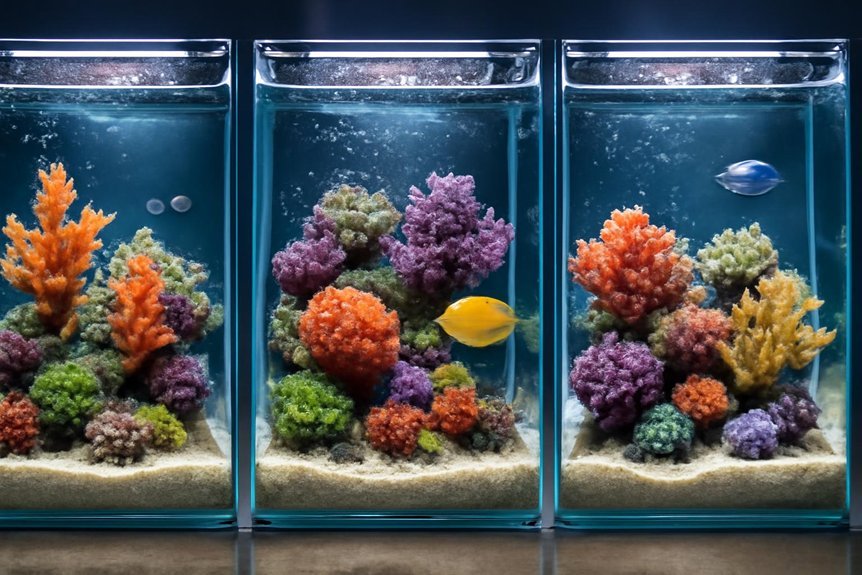
The 5 Best Nano Reef Tanks for Peaceful Fish Lovers in 2025
Are you a peaceful fish lover dreaming of creating a beautiful nano reef tank? You’re in the right place! This guide is designed specifically for aquarists like you who want to set up a stunning aquatic environment without the hassle.
In 2025, there are some exceptional nano reef tanks available that combine style, functionality, and a peaceful habitat for your fish.
When selecting the perfect nano reef tank, it’s essential to consider a few key factors. Look for tanks that not only enhance the aesthetics of your space but also provide the ideal conditions for your aquatic life.
Features such as filtration systems, lighting, and size all play a crucial role in maintaining a healthy environment for your fish. Whether you’re drawn to the sleek design of the hygger Horizon or the colorful charm of the Coralife BioCube, understanding these features will help you make an informed decision.
In this roundup, we’ll explore the top nano reef tanks of 2025, highlighting their unique attributes and what makes them stand out. Our goal is to help you find the perfect fit for your underwater oasis so you can enjoy a serene and thriving aquatic experience.
Ready to dive in? Scroll down to discover our top product picks!
hygger Horizon 8 Gallon LED Glass Aquarium Kit for Starters
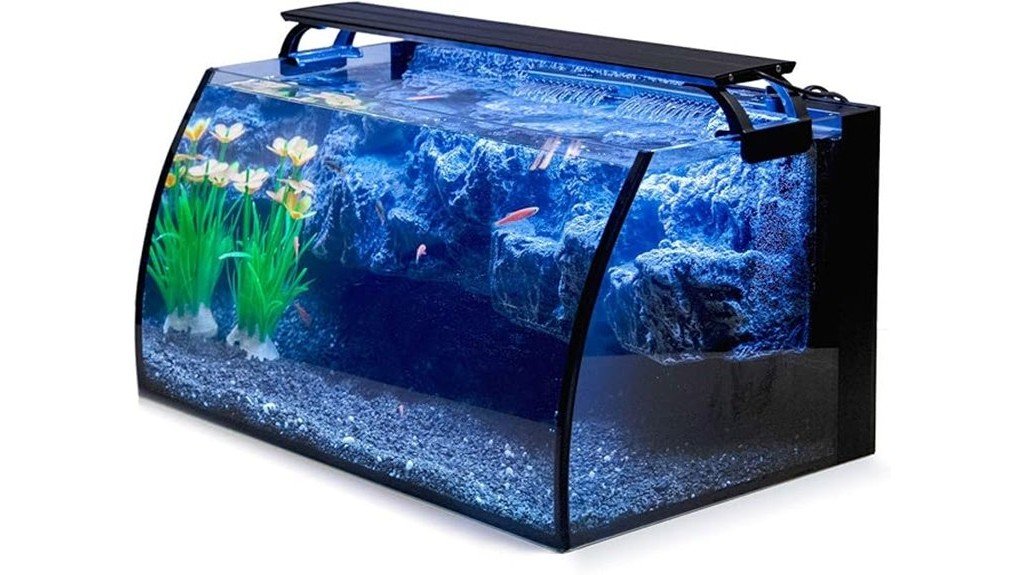
If you’re a beginner looking to immerse yourself in the world of fishkeeping, the hygger Horizon 8 Gallon LED Glass Aquarium Kit is a fantastic choice! This kit comes with everything you need: an 8-gallon glass tank, a quiet 7W filter pump, and a stunning 3D rockery background. You can even plant greenery on it! The adjustable LED light lets you choose different brightness levels and colors, making your tank vibrant. Just be cautious with tiny fish, as the filter’s strong current might be too much for them. Plus, the tank’s unique shape offers a great view of your aquatic friends!
Best For: Beginners who want an all-inclusive aquarium setup for an engaging fishkeeping experience.
Pros:
- Includes everything needed for setup, such as an 8-gallon tank, filter, LED light, and decorative background.
- Adjustable LED lighting allows customization of brightness and color, enhancing the aquarium’s aesthetic appeal.
- Quiet operation of the filter pump ensures a peaceful environment for both fish and home.
Cons:
- Strong filter current may be unsuitable for small fish under 2 inches, requiring caution during setup.
- Reduced water volume (6 gallons usable due to background decor) may limit the number of fish that can be comfortably housed.
- Weight of the tank when full (approximately 68 pounds) may require careful placement and consideration of the supporting surface.
Coralland 8-Gallon Saltwater Aquarium
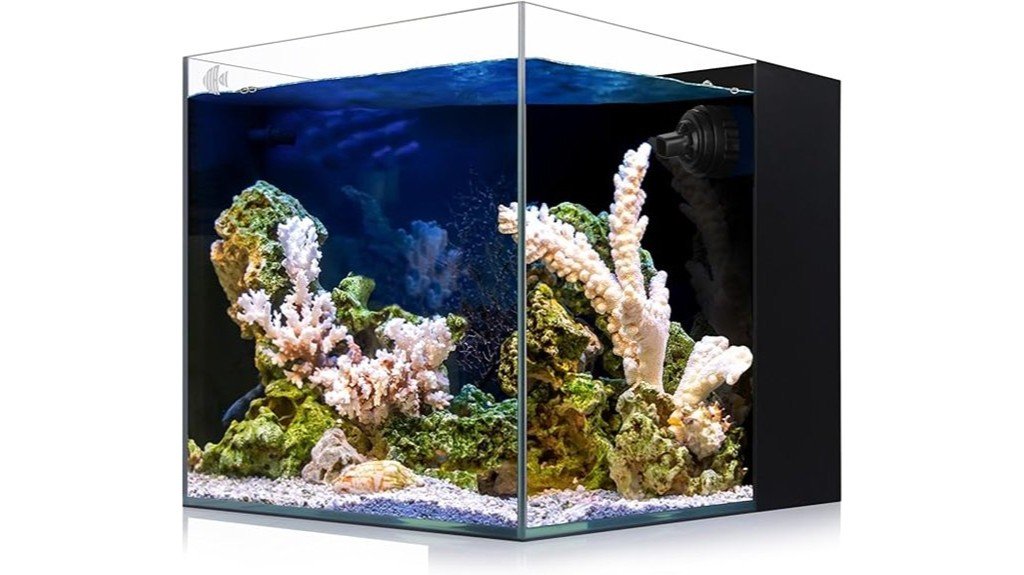
The Coralland 8-Gallon Saltwater Aquarium is a fantastic choice for anyone looking to immerse themselves in the world of marine aquariums without the hassle of a huge setup. With its 5.5-gallon display and 2.5-gallon rear sump, you can create a stunning reef environment right on your desk. The premium low iron glass gives you a clear view of your fish and coral, while the sleek design adds a modern touch. Plus, it’s user-friendly, making it perfect for both beginners and seasoned aquarists. Just remember, you’ll need to grab some accessories to complete your underwater paradise!
Best For: The Coralland 8-Gallon Saltwater Aquarium is best for beginners and experienced aquarists looking for a compact marine setup that enhances any desk or small space.
Pros:
- Premium low iron ultra-clear glass offers enhanced visibility and aesthetics.
- User-friendly design simplifies setup and maintenance, making it accessible for all skill levels.
- Compact size is perfect for small spaces while providing a beautiful display of marine life.
Cons:
- Tank does not include any accessories, requiring additional purchases to complete the setup.
- Limited capacity may not be suitable for larger marine species or extensive aquascapes.
- Rear sump design may restrict some aquarists in terms of filtration options and customization.
40 oz Micro Reef Ready Aquarium with LED Light
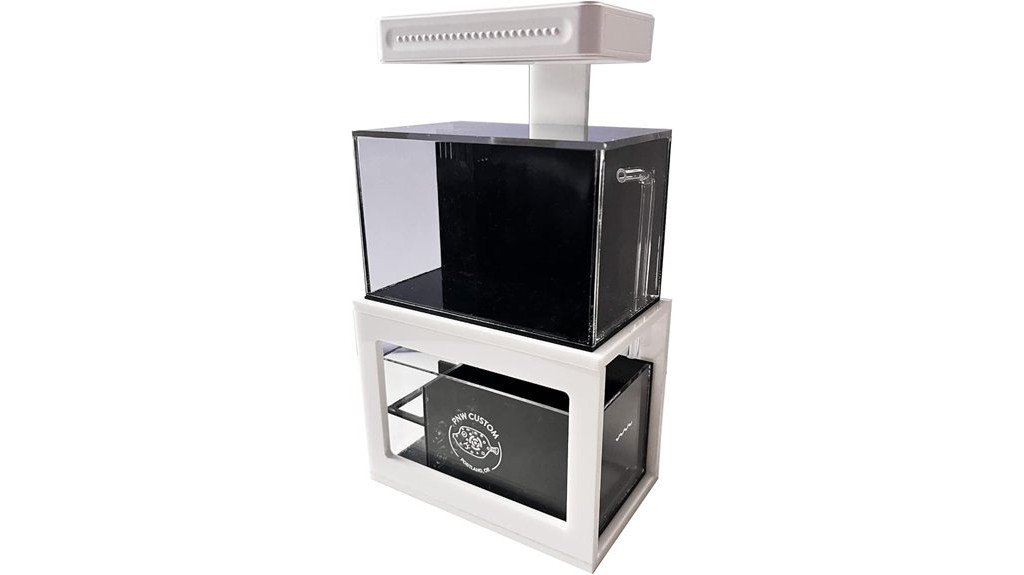
Looking for a unique way to brighten up your workspace or home? The 40 oz Micro Reef Ready Aquarium is a perfect fit! This small desktop saltwater tank features a stunning LED light, adjustable height, and a built-in sump for efficient water flow. It holds 28 oz of display water and 12 oz in the sump, making it ideal for both freshwater and saltwater setups. Though some customers faced issues with broken parts and leaks, many praised its high-quality build and great customer service. With its sleek design, this aquarium can turn any space into a vibrant underwater world!
Best For: Those looking to enhance their workspace or home with a compact and stylish aquarium that accommodates both freshwater and saltwater environments.
Pros:
- High-quality construction ensures durability and longevity.
- Efficient design with a built-in sump for optimal water flow management.
- Excellent customer service reported by many users.
Cons:
- Some customers experienced broken parts upon arrival.
- Discrepancies in light specifications reported by users.
- Issues with leaking pump hose and difficulty in obtaining support for replacements.
Coralife LED BioCube Aquarium Fish Tank Kit (32 Gallon)
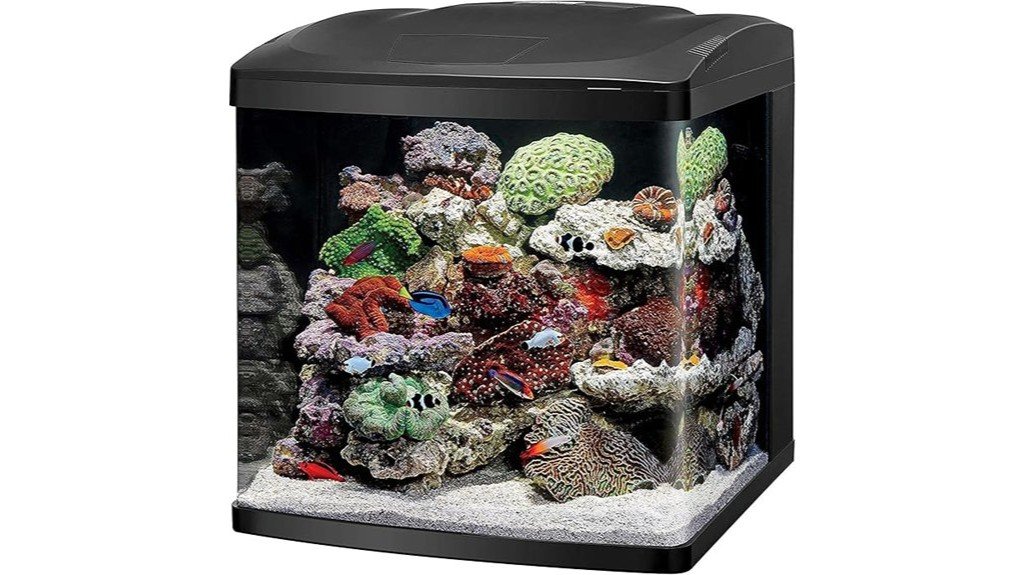
For anyone enthusiastic to immerse themselves in the world of nano reef tanks, the Coralife LED BioCube Aquarium Fish Tank Kit (32 Gallon) is a fantastic choice. This sleek, black aquarium not only looks great but also features a compact filtration system for easy maintenance. You’ll appreciate the quiet pump, which helps maintain a serene environment for your fish. Plus, the vibrant LED lighting supports coral growth and can be programmed to mimic natural light cycles—how cool is that? While some users find the timer tricky, there are plenty of tutorials to help you navigate it. Immerse yourself in this beautiful hobby today!
Best For: Beginners and experts looking for a stylish and functional aquarium kit to start their nano reef tank journey.
Pros:
- Easy setup with a compact filtration system for convenient maintenance.
- Vibrant LED lighting enhances coral growth and can simulate natural light cycles.
- Quiet submersible pump ensures a peaceful environment for aquatic life.
Cons:
- Some users report noise from the filter motor, which may be distracting.
- The programmable timer can be complex, requiring additional guidance or tutorials.
- Fish, corals, substrate, and décor are sold separately, adding to initial setup costs.
Luna Reef Nano Tank 4 Gallon Frag System
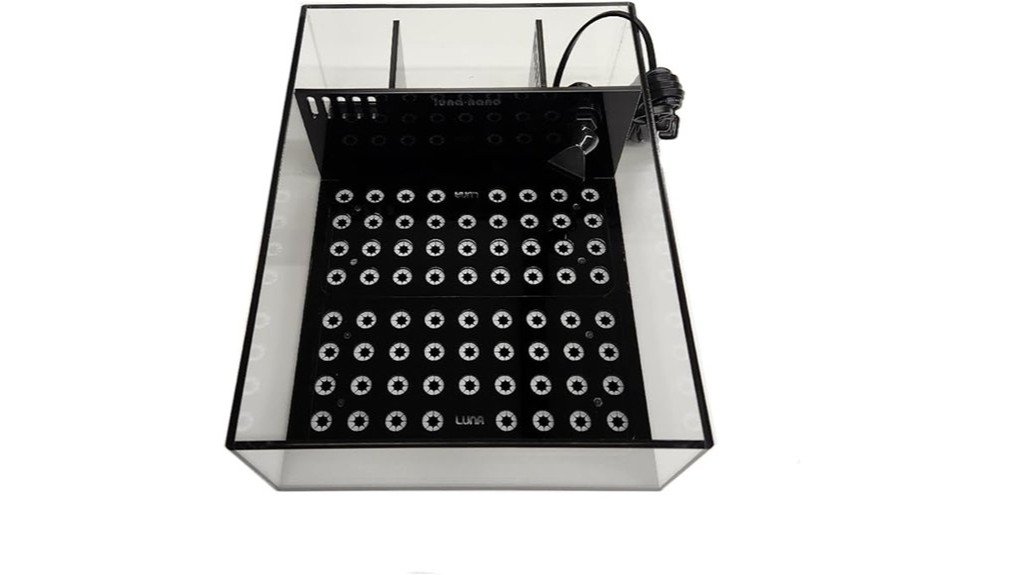
If you’re a coral enthusiast who loves to frag and trade, the Luna Reef Nano Tank 4 Gallon Frag System is just what you need. This sleek, modern tank measures 12 x 16 x 5 inches and weighs only 8 pounds, making it perfect for any space. With a functioning volume of 2.74 gallons, it’s designed for hobbyists at any skill level. You’ll appreciate the included Sicce micra pump and adjustable nozzle, which make coral care easy. Plus, it serves as an acclimation tank and even works for shallow mangrove reefs. Immerse yourself and enjoy your coral adventure!
Best For: Coral enthusiasts looking for a compact and versatile frag system suitable for all skill levels.
Pros:
- Compact design that fits easily in various spaces.
- Includes a reliable Sicce micra pump and adjustable nozzle for efficient coral care.
- Versatile use as an acclimation tank and for shallow mangrove reefs.
Cons:
- Perceived high price point compared to similar products.
- Customer service issues reported by some users.
- Average rating of 3.4 out of 5 stars indicates mixed feedback.
Factors to Consider When Choosing Nano Reef Tanks for Peaceful Fish
When you’re picking a nano reef tank for your peaceful fish, there are a few important factors to keep in mind. You’ll want to evaluate the tank size, how well the filtration system works, and the lighting options that suit your underwater friends. Plus, think about the durability of the materials and how well different types of fish get along with each other—after all, no one likes a fishy feud!
Tank Size Considerations
Choosing the right tank size for your nano reef can make a big difference in the happiness and health of your peaceful fish. Nano reef tanks usually range from 4 to 8 gallons, but aiming for at least 8 gallons is smart. This size gives your fish more swimming space and helps keep water conditions stable. Smaller tanks under 5 gallons can be tricky since they change quickly, leading to stress for your fish. Remember to factor in decorations and equipment, as they take up valuable space! Also, consider how big your fish will grow; some peaceful species might need more room than you think. In the end, a little extra space can go a long way!
Filtration System Efficiency
After you’ve picked the right tank size for your nano reef, the next big step is figuring out the filtration system. An efficient filter is essential for keeping your water clean, as it removes debris, toxins, and excess nutrients that could harm your peaceful fish. A two-stage filtration system is often the best choice, combining mechanical and biological filtration to break down waste effectively. Make sure the filter’s flow rate matches your tank size; for instance, a filter with 110 gallons per hour works well for 2 to 8-gallon tanks. And remember, quieter filters keep your tank serene, so avoid noisy options. Finally, be cautious about water flow strength—too strong a current can stress delicate fish.
Lighting Options Available
Lighting plays an essential role in creating a thriving environment for your nano reef tank, especially when it comes to keeping your peaceful fish and corals happy. LED lighting is a fantastic choice since it’s energy-efficient and offers the right light spectrum for coral growth. Plus, adjustable LED systems let you simulate natural day and night cycles, which your fish will appreciate. Some even have digital controllers for precise control over lighting duration and brightness, helping to set a cozy mood. By mixing different colored LEDs—like white, blue, and red—you’ll not only boost photosynthesis in corals but also create stunning visuals for your tank. Remember to take into account your tank’s size and the specific lighting needs of your aquatic friends!
Material Durability Factors
When it comes to setting up your nano reef tank, the materials you choose can make a big difference in both durability and aesthetics. Acrylic tanks are lightweight and shatter-resistant, but they can scratch easily, which might affect your tank’s look over time. On the other hand, glass tanks, especially those made from low iron ultra-clear glass, offer great clarity and are super durable, though they’re heavier and can break if dropped. The thickness of the material matters too; thicker options resist bowing under water pressure. Look for tanks with reinforced corners for added strength. Remember, regular maintenance is key! Carefully cleaning your tank can keep it looking stunning and functional for years to come.
Compatibility With Livestock
Setting up a nano reef tank is more than just picking out pretty decorations and colorful fish; it’s about creating a harmonious home for your aquatic buddies. First, think about the size and filtration system of your tank. Smaller fish love gentle water flow, so make sure to choose wisely! Next, research the behavioral traits of potential fish species. You don’t want any bullies in your tank! Also, keep in mind the tank’s layout; hiding spots and open swimming areas help fish feel comfy. Finally, monitor water quality regularly. Fluctuations can stress sensitive fish, and a good filtration system will help keep everyone happy. Remember, a peaceful tank means happy fish, and that’s what we all want!
Ease of Maintenance
Maintaining a nano reef tank can be a breeze, especially if you’re juggling a busy schedule. With a smaller water volume, these tanks require less maintenance than larger ones, making your life easier. You can quickly check water parameters and clean filters, which is perfect for those of us who don’t have hours to spend on upkeep. Plus, the compact size lets you reach every corner of the tank, so you won’t miss a spot. Many nano reef tanks come with built-in filtration systems, reducing the need for frequent manual cleaning. This means you can enjoy a stable environment with fewer adjustments, allowing you to focus more on enjoying your peaceful fish and less on chores!
Design and Aesthetics
Creating a stunning nano reef tank goes beyond just keeping your fish happy; it’s about crafting an enchanting underwater world that you’ll love to watch. Start by choosing low iron ultra-clear glass, which makes your aquatic life pop with vibrant colors. Modern designs, featuring sleek rounded edges and 45° angled joints, not only look cool but also keep your tank strong. Consider unique shapes like convex arcs for a more immersive view. Don’t forget adjustable LED lighting! It boosts coral growth and lets you play with colors to match your mood. Finally, add decorative elements like 3D backgrounds and rockery designs—they look great and provide cozy hiding spots for your fish, creating a peaceful ecosystem.
Price and Value
When you’re diving into the world of nano reef tanks, price and value are essential factors to evaluate. You’ll find nano reef tanks priced from around $40 for smaller setups to several hundred dollars for advanced models. Keep in mind the total cost of ownership, which includes accessories like filtration systems and lighting—these can add up quickly! Higher-priced tanks often use better materials, like low iron glass, giving you clearer views and lasting durability. Look for tanks with built-in filtration and lighting, as they save you money in the long run. Finally, checking customer reviews can help you see if the tank’s price matches its quality, ensuring you make a smart investment for your underwater paradise.
FAQ
What Types of Fish Are Best for Nano Reef Tanks?
1. What types of fish are suitable for nano reef tanks?
Peaceful species like clownfish, gobies, and blennies are ideal for nano reef tanks. They adapt well to smaller environments and contribute positively to the ecosystem.
2. Are clownfish a good choice for nano reef tanks?
Yes, clownfish are a popular choice for nano reef tanks. They are known for their vibrant colors and engaging behavior, making them a delightful addition to your setup.
3. Can gobies thrive in a nano reef tank?
Absolutely, gobies are well-suited for nano reef tanks. Their small size and peaceful nature make them compatible with a variety of other tank mates.
4. What is the benefit of including blennies in a nano reef tank?
Blennies add both color and personality to nano reef tanks. They are active swimmers and often engage in interesting behaviors, enhancing the tank’s liveliness.
5. How many fish can I keep in a nano reef tank?
The number of fish depends on the tank’s size and the specific species’ needs. Generally, it’s best to keep a small number of fish to maintain water quality and reduce stress.
6. Do nano reef tanks require specific water conditions for these fish?
Yes, maintaining stable water parameters is crucial for the health of fish in nano reef tanks. Regular monitoring of temperature, salinity, and pH levels is essential.
7. Are these fish compatible with coral and invertebrates?
Most clownfish, gobies, and blennies are compatible with corals and invertebrates. However, you should research specific species to ensure they won’t harm delicate coral or invertebrate life.
8. What feeding requirements do these fish have?
Clownfish, gobies, and blennies typically require a varied diet of high-quality flakes, pellets, and frozen foods. Regular feeding helps maintain their health and vibrant colors.
9. How often should I feed fish in a nano reef tank?
It’s recommended to feed fish in a nano reef tank once or twice a day. Avoid overfeeding to prevent water quality issues and ensure a healthy environment.
10. Can I add more fish later to my nano reef tank?
Yes, you can add more fish later, but it’s important to do so gradually. Monitor your tank’s water parameters and ensure the current fish are not stressed by new additions.
How Often Should I Perform Water Changes in My Nano Reef Tank?
1. How often should I change the water in my nano reef tank?
You should perform water changes every one to two weeks to maintain optimal water quality.
2. What percentage of water should I change during a water change?
It is recommended to replace 10-20% of the water during each change to ensure a healthy environment for your tank inhabitants.
3. Why are water changes important for my nano reef tank?
Water changes help reduce toxins and maintain the overall health of your fish and corals, leading to a more stable ecosystem.
4. Can I change the water more frequently than every week?
While you can change the water more frequently, it’s essential to monitor your tank’s specific needs to avoid stressing the inhabitants.
5. What signs indicate that I need to change the water sooner?
If you notice elevated nitrate levels, algae blooms, or unhealthy fish behavior, it may be time for an additional water change.
6. Should I use a dechlorinator for my water changes?
Yes, always treat your tap water with a dechlorinator if it contains chlorine or chloramine before adding it to your tank.
7. Is there a best time of day to perform water changes?
Performing water changes during the evening or when your tank lights are off can help minimize stress for your fish.
8. Do I need to match the temperature of the new water?
Yes, it’s crucial to match the temperature of the new water to the tank’s existing water to prevent shock to your aquatic life.
9. Can I remove all the water from my nano reef tank?
No, removing all the water at once can severely stress or harm your tank inhabitants. Stick to the recommended 10-20% change.
10. What equipment do I need for effective water changes?
A siphon or gravel vacuum, a clean bucket, and possibly a water conditioner are essential tools for performing effective water changes.
Can I Add Corals to My Nano Reef Tank?
1. Can I add corals to my nano reef tank?
Yes, you can add corals to your nano reef tank as long as you maintain stable water parameters.
2. What should I check before adding corals?
Before adding corals, ensure that your water parameters, such as pH, salinity, and nitrate levels, are suitable for the species you plan to keep.
3. Which corals are best for beginners?
Start with hardy coral species like Zoanthids or Mushrooms, as they are more forgiving for novice reef keepers.
4. How can I monitor coral health?
Regularly check your corals for signs of stress, such as discoloration or retraction, and ensure they receive adequate light and flow.
5. Is it important to acclimate corals before adding them to the tank?
Yes, acclimating corals to your tank’s conditions can help reduce shock and improve their chances of thriving.
6. What lighting is needed for corals in a nano reef?
Corals generally require adequate lighting, so invest in quality LED or T5 fixtures suitable for the specific types of corals in your tank.
7. How often should I do water changes in a nano reef tank with corals?
Performing regular water changes, typically 10-15% weekly, helps maintain water quality and supports coral health.
8. Can I mix different types of corals in my nano tank?
You can mix different coral species, but ensure they have compatible care requirements and enough space to grow.
9. What are common mistakes to avoid when adding corals?
Avoid overstocking your tank and introducing corals too quickly; patience is key to establishing a balanced ecosystem.
10. Do I need to supplement my tank for corals?
Depending on your coral types, you may need to supplement calcium and other trace elements to support their growth and health.
What Is the Ideal Lighting for a Nano Reef Tank?
1. What type of lighting is best for a nano reef tank?
Bright LED lighting is ideal for a nano reef tank due to its efficiency and spectrum.
2. What color temperature should I aim for in my nano reef tank lighting?
Aim for a color spectrum of 10,000 to 14,000 Kelvin for optimal coral growth.
3. How long should I run the lights in my nano reef tank?
A light cycle of 8 to 12 hours daily is recommended for promoting healthy coral growth.
4. Why is LED lighting preferred for nano reef tanks?
LEDs are energy-efficient, produce less heat, and can be tailored to the specific light spectrum needed by corals.
5. Can I use other types of lighting besides LEDs?
While LEDs are preferred, you can also use T5 fluorescent lights or metal halides, but they may not be as energy-efficient.
6. How does light duration affect coral health?
The duration of light affects coral photosynthesis, with too little light slowing growth and too much potentially causing stress.
7. Should I adjust the lighting cycle throughout the year?
Yes, slight adjustments can mimic natural seasonal changes, benefiting coral health and growth.
8. Can I use a timer for my nano reef tank lighting?
Yes, using a timer helps maintain a consistent light cycle, which is crucial for coral and overall tank health.
9. How do I know if my lighting is sufficient for my corals?
Monitor coral growth and color; if they appear bleached or stunted, your lighting may not be adequate.
10. Is it necessary to provide a dark period in the light cycle?
Yes, a dark period is important as it allows corals to rest and carry out nocturnal processes essential for their health.
How Do I Maintain Water Quality in a Nano Reef Tank?
1. What parameters should I regularly test in my nano reef tank?
It’s essential to test pH, ammonia, nitrite, and nitrate levels regularly to ensure a healthy environment for your aquatic life. Keeping track of these parameters helps identify any imbalances that could harm your reef.
2. How often should I perform water changes in a nano reef tank?
Partial water changes should be done every 1-2 weeks, depending on your tank’s bioload and water quality. This helps remove pollutants and replenish essential minerals.
3. What is the best way to clean filters in a nano reef tank?
Clean your filters every few weeks by rinsing them in tank water to avoid killing beneficial bacteria. This ensures effective filtration without disrupting the tank’s ecosystem.
4. How can I prevent overfeeding my fish and corals?
Feed only what your fish can consume in 2-3 minutes and observe their eating habits. Adjust the amount accordingly to prevent waste accumulation and maintain water quality.
5. What is the ideal pH level for a nano reef tank?
The ideal pH level for most nano reef tanks should be between 7.8 and 8.5. Regular testing and adjustments can help maintain this range for the health of your corals and fish.
6. Why is monitoring ammonia levels crucial for a nano reef tank?
Ammonia is toxic to marine life even at low levels, so monitoring is crucial. Any detectable ammonia indicates an imbalance that needs immediate attention, such as improving filtration or reducing feeding.
7. How can nitrate levels affect my nano reef tank?
High nitrate levels can promote algae growth and negatively impact coral health. Regular testing and water changes can help keep nitrate levels in check for a balanced ecosystem.
8. What role does filtration play in maintaining water quality?
Filtration helps remove debris, toxins, and excess nutrients from the water. A good filtration system is vital for maintaining a stable environment in a nano reef tank.
9. Can I use tap water for my nano reef tank?
Using tap water can introduce harmful chemicals and impurities. It’s best to use RO/DI water or pre-treated tap water to ensure the best water quality for your reef.
10. What should I do if my water parameters are out of balance?
If you notice imbalances in water parameters, take corrective actions immediately, such as performing water changes or adjusting feeding routines. Regular monitoring and maintenance can help prevent future issues.
Final Thoughts
When it comes to selecting the perfect nano reef tank, you’re in for an exciting journey! I highly recommend considering the hygger Horizon for those who prioritize performance and aesthetics without breaking the bank. Its sleek design and impressive filtration make it an excellent choice for both beginners and budget-conscious hobbyists.
If you’re leaning towards a more compact setup, the Coralland 8-Gallon is ideal for those just starting out. It offers an easy-to-manage environment that’s perfect for beginners looking to dip their toes into the world of reef aquariums while providing enough space for peaceful fish.
For advanced users seeking durability and customization, the innovative design of the Innovative Marine Nuvo Fusion is a top pick. It allows for a robust setup with plenty of room for creativity in aquascaping.
To summarize: Choose the hygger Horizon if you want a balance of performance and style without overspending, choose the Coralland 8-Gallon if you’re a beginner looking for an easy-to-maintain tank, and choose the Innovative Marine Nuvo Fusion if you’re an advanced aquarist seeking durability and customization options. Happy reefing!