
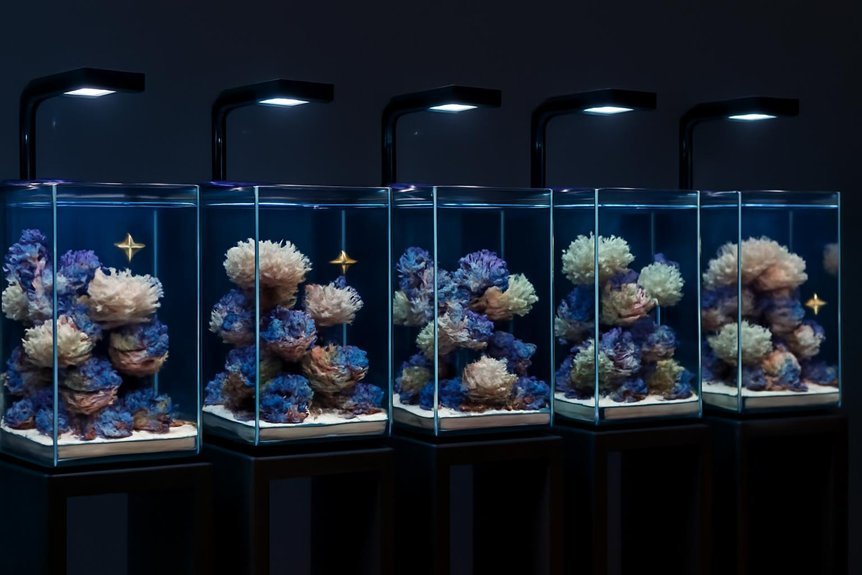
The 5 Best AIO Nano Reef Tanks of 2025 – Compact and Stunning Aquascapes
Are you a reef enthusiast looking to dive into the captivating world of nano reef tanks? If so, you’re in for a treat! This guide is tailored for aquarists seeking compact yet stunning aquascapes that can elevate any space in their home or office.
In 2025, the market offers an impressive selection of AIO (All-In-One) nano reef tanks that not only save space but also deliver on both aesthetics and functionality.
When selecting the perfect nano reef tank, it’s important to consider factors such as size, filtration system, and overall design. These tanks are designed to provide an optimal environment for marine life while being easy to maintain, making them ideal for both beginners and seasoned hobbyists.
With options ranging from the sleek LANDEN EzCube 30 to the versatile Ultum Nature Systems Dual AIO, there’s a variety to suit your unique style and needs.
In this roundup, we’ll highlight the top five AIO nano reef tanks of 2025, showcasing what sets each model apart. Whether you prioritize innovative features, visual appeal, or user-friendly setups, we’ve got you covered.
So, get ready to explore the best options available and find the perfect fit for your aquatic adventure! Scroll down to discover our top picks!
LANDEN EzCube 30 Rimless Saltwater Aquarium (8 Gallon AIO Nano Reef Tank)
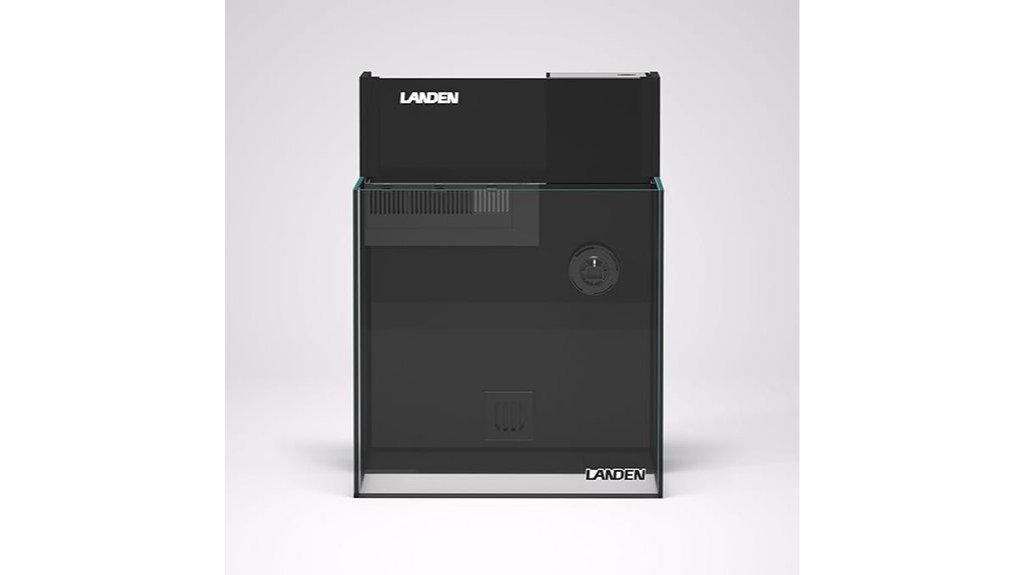
If you’re a fish enthusiast or a budding nano reef hobbyist, the LANDEN EzCube 30 Rimless Saltwater Aquarium might just be your new best friend! This 8-gallon all-in-one tank is perfect for keeping coral and marine fish. Its compact dimensions make it a great fit for desktops or countertops, letting you enjoy aquatic life without taking up too much space. The integrated rear filtration system keeps your water clean, while the frosted divider and filter sock help maintain balance. With its sleek glass design, this stylish aquarium will surely impress both you and your friends. Immerse yourself in a stunning underwater world!
Best For: Fish enthusiasts and nano reef hobbyists seeking a compact and stylish aquarium for their indoor spaces.
Pros:
- Compact and space-saving design perfect for desktops or countertops.
- Integrated rear filtration system ensures clean and healthy water for marine life.
- Sleek glass construction adds an elegant touch to any room.
Cons:
- Limited capacity of 8 gallons may not be suitable for larger fish or extensive coral setups.
- Requires regular maintenance to keep the filtration system functioning effectively.
- Warranty period of only one year may be shorter compared to other aquariums on the market.
Ultum Nature Systems Dual AIO Rimless Tank (17 Gallon)
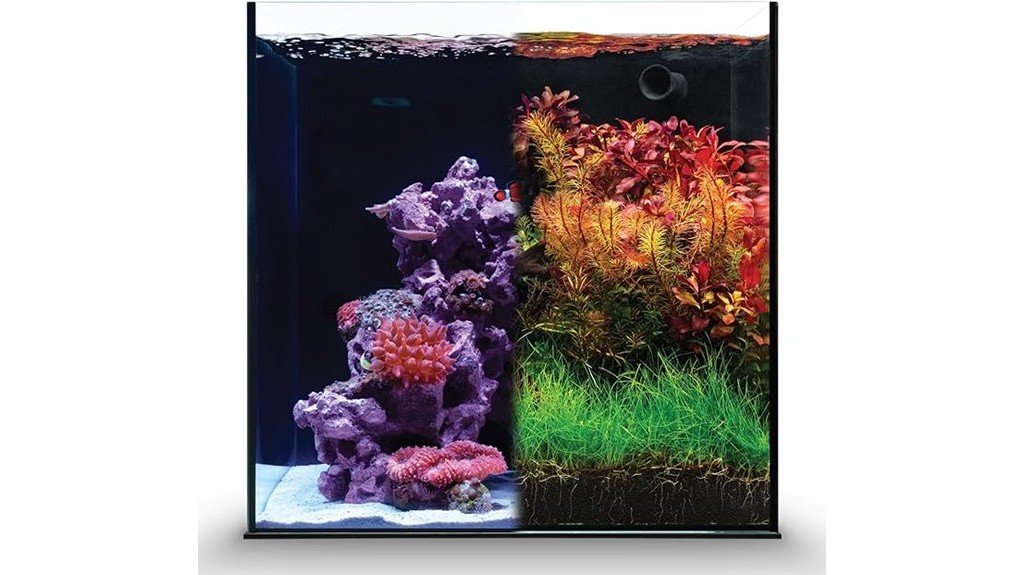
The Ultum Nature Systems Dual AIO Rimless Tank is a fantastic choice for anyone looking to immerse themselves in the world of nano reef tanks, especially those who want a seamless and stylish setup. With its 17-gallon capacity, this tank fits perfectly in various spaces. You won’t need any extra equipment, thanks to its built-in filtration system that keeps your water clean and clear. Plus, it’s designed for both saltwater and freshwater, so you can create a vibrant underwater paradise. The sleek, rimless design and crystal-clear glass make it a stunning centerpiece in any room—your aquatic adventure awaits!
Best For: Aquarists looking for a stylish and functional tank that supports both freshwater and saltwater environments with minimal equipment.
Pros:
- Built-in filtration system ensures clean and clear water without the need for additional equipment.
- Versatile design accommodates a variety of aquatic life, including marine species, corals, and plants.
- Sleek, rimless construction with crystal-clear glass enhances the aesthetic appeal of any space.
Cons:
- Limited to a maximum capacity of 21 gallons, which may not suit larger aquatic setups.
- Requires careful maintenance to ensure optimal water quality and ecosystem health.
- Higher initial investment compared to standard aquariums with visible equipment.
JBJ Nano Rimless 20G AIO Aquarium
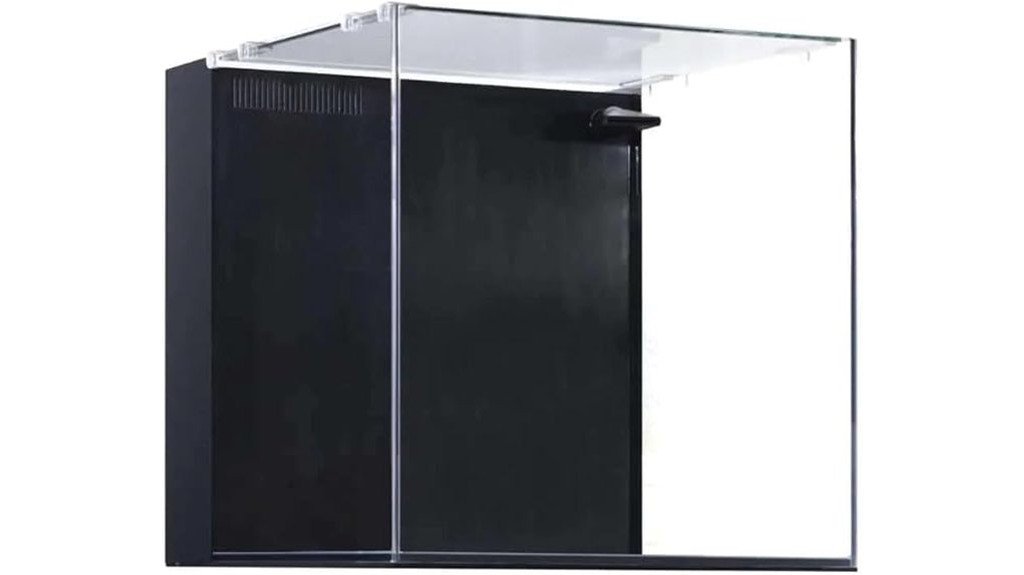
When you’re looking for a stunning way to showcase your aquatic life, the JBJ Nano Rimless 20G AIO Aquarium stands out as an excellent choice. Its rimless flat panel design gives you an unobstructed view, making your fish and plants the star of the show. This 20-gallon tank, made from low iron glass, offers a generous space for aquascaping. With an integrated overflow system and a three-stage filter, maintenance becomes a breeze. Plus, it comes with a low-noise return pump and a glass lid to keep everything in check. Whether you’re a beginner or an enthusiast, this aquarium is sure to impress!
Best For: The JBJ Nano Rimless 20G AIO Aquarium is best for both beginners and aquarium enthusiasts looking to create an impressive aquatic display.
Pros:
- Rimless design enhances visibility for a stunning view of aquatic life.
- Integrated overflow system and three-stage filtration make maintenance easy.
- Suitable for both saltwater and freshwater setups, offering versatility.
Cons:
- The 30-pound weight may require careful handling during setup.
- Limited to a 20-gallon capacity, which may not be sufficient for larger fish or setups.
- The low iron glass, while beautiful, can be more fragile than standard glass.
40 oz Micro Reef Ready Aquarium
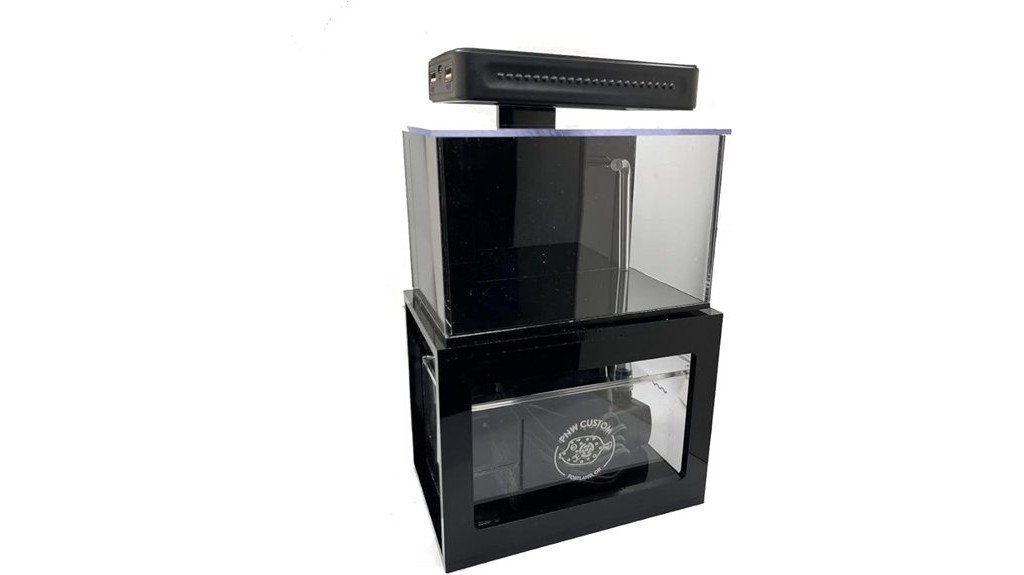
Looking for a compact aquarium that fits perfectly on your desk? The 40 oz Micro Reef Ready Aquarium might just be your new best friend! This sleek tank is designed for both saltwater and freshwater, making it super versatile. With a built-in sump, adjustable LED light, and a pump that can return 50 gallons per hour, it’s perfect for creating stunning aquascapes. Its dimensions are small enough to fit anywhere, yet it still packs a punch with its modern design. Just keep an eye on those pump connections—some users have reported leaks. Immerse yourself in reef-keeping with this stylish setup!
Best For: Reef-keeping enthusiasts with limited space who want a stylish and compact aquarium for their desk.
Pros:
- Versatile design suitable for both saltwater and freshwater environments.
- Built-in sump and adjustable LED light enhance filtration and aquascaping options.
- Modern aesthetic that fits well in any indoor setting.
Cons:
- Reports of broken parts upon arrival and potential leaks at pump connections.
- Discrepancies in advertised light specifications have been noted by users.
- Some concerns about product reliability and value for the price.
Nano Rimless – 20-Gallon // All-in-One Aquarium
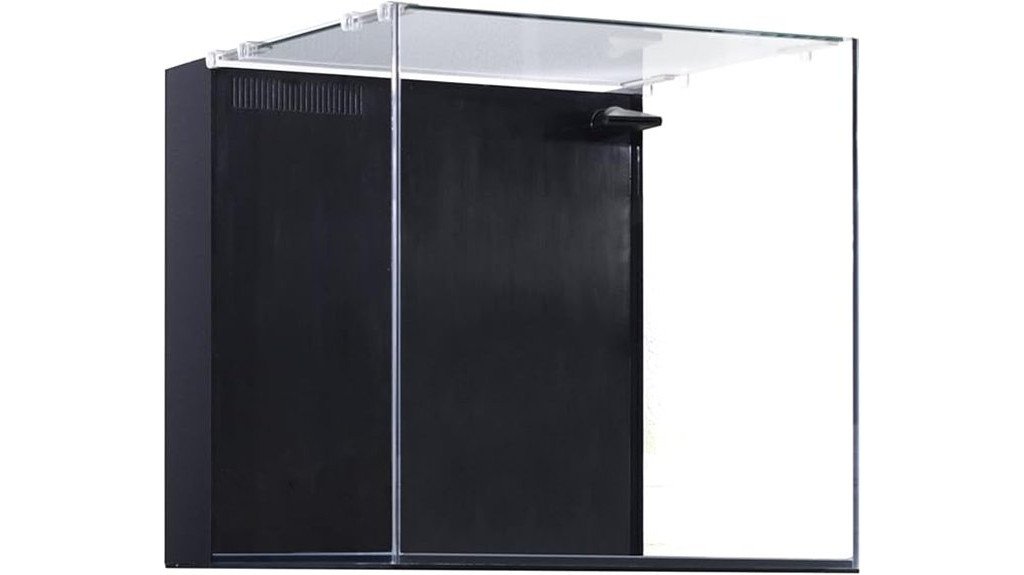
If you’re on the hunt for a stunning and straightforward aquarium setup, the Nano Rimless – 20-Gallon All-in-One Aquarium is a fantastic choice. Manufactured by Transworld Aquatics, this sleek glass tank measures 22.6 x 21.8 x 20.4 inches, making it perfect for any room. Its integrated sump and filtration system simplify maintenance, allowing you to focus on your beautiful aquatic life. While some users have raised concerns about silicone seal quality, many appreciate its beauty and low upkeep. Customizing filter media can enhance performance, so don’t hesitate to tweak it for the best results! Your underwater adventure awaits!
Best For: Adults seeking a beautiful and low-maintenance aquarium setup for their home.
Pros:
- Sleek and modern design enhances any room’s aesthetic.
- Integrated sump and filtration system simplifies maintenance.
- Users appreciate the aquarium’s beauty and ease of setup.
Cons:
- Reports of poor quality control, particularly with silicone seals.
- Some users experience issues with pump flow rates requiring adjustments.
- Difficulties in obtaining responses for warranty claims have been noted.
Factors to Consider When Choosing Aio Nano Reef Tanks
When you’re picking an AIO nano reef tank, there are a few key factors to contemplate. You’ll want to weigh the tank size and how much water it can hold, as well as how efficient the filtration system is for keeping your fish and corals healthy. Don’t forget to look at the design, material quality, and any integrated features that can make your setup easier and more fun!
Tank Size and Capacity
Have you ever wondered how the size of your AIO nano reef tank can impact the happiness of your aquatic friends? When choosing a tank, consider its volume. Smaller 8-gallon tanks fit snugly in tight spaces, while larger 20-gallon tanks offer stability, making it easier for fish and corals to thrive. The dimensions matter too; cube-shaped tanks provide great viewing angles and can house a variety of species. Bigger tanks often come with stronger filtration systems, which help keep water clean and forgiving for beginners. Plus, more room means you can add different fish and corals, creating a lively underwater community. Just make sure the tank fits your space and allows easy access for maintenance!
Filtration System Efficiency
Choosing the right filtration system can make a big difference in your AIO nano reef tank, just like finding the perfect home for your aquatic friends. An efficient filter helps keep your water clean by removing debris, toxins, and excess nutrients that could harm your fish and corals. Look for a triple-chamber filter system, which includes mechanical, biological, and chemical filtration for superior cleaning. Integrated designs with special bio-media and silent pumps can create a self-sustaining ecosystem, making your life easier. Don’t forget that the size of the filter compartment affects how much filtration media you can use. Regularly check and maintain your filter to avoid clogs, ensuring your underwater buddies stay happy and healthy!
Design and Aesthetics
Designing your AIO nano reef tank can be an exciting adventure, especially since it’s not just about creating a home for your fish and corals; it’s also about showcasing a beautiful piece of art in your space. Consider the rimless design, which enhances visibility and gives a modern touch to your setup. Low iron glass is another fantastic choice, as it increases clarity and makes your corals pop with vibrant colors. Integrated filtration systems keep things tidy, eliminating the need for extra equipment clutter. With precision-cut mitered edges, your tank will not only be sturdy but also sleek and polished. Plus, the compact size fits perfectly on desktops, turning any spot into a stunning focal point for all to admire!
Material Quality and Durability
When it comes to picking the right AIO nano reef tank, material quality and durability are key factors that can really make a difference. Glass tanks usually shine with better clarity and scratch resistance compared to acrylic ones. If you want that crystal-clear view of your fish, look for low iron glass—it’s like giving your aquatic life a front-row seat! A sturdy build with high-quality silicone seals prevents leaks, keeping your tank safe from water damage. Plus, remember that thicker glass panels provide more stability against impacts and pressure changes. Just watch out for the weight; heavier tanks need solid support, while lighter ones might risk durability. Choose wisely, and your tank will thrive for years!
Integrated Features and Equipment
Integrated features and equipment can make all the difference in your AIO nano reef tank experience. A good tank usually includes integrated filtration systems, which are essential for keeping your water quality high. These systems often have multiple stages, combining mechanical, biological, and chemical filtration for exceptional performance. Many AIO tanks even come with built-in compartments for filtration media and pumps, which simplifies setup and maintenance. You’ll also appreciate silent, efficient water pumps that help circulate water, promoting a healthy environment. Some models offer adjustable flow nozzles, letting you customize water movement for different species. And let’s not forget, low iron glass enhances visibility, making your aquatic world clearer and more stunning!
Compatibility With Aquatic Life
Choosing the right AIO nano reef tank can feel a bit like picking a pet; you want to make certain it suits the needs of your aquatic friends! First, think about which types of marine life you want—corals, fish, or invertebrates. Each has unique space and environmental requirements. Make certain the tank’s filtration system can handle the sensitive needs of your chosen species, since water quality is vital in smaller tanks. Also, check if the tank size fits the anticipated bioload; overcrowding can stress your fish. Finally, verify the design allows for easy aquascaping with live rock and plants, helping create a healthy habitat. After all, happy homes make for happy fish!
Maintenance and Setup Ease
Setting up and maintaining your AIO nano reef tank should feel like a fun adventure rather than an intimidating chore. To keep things simple, look for aquariums with integrated filtration systems. These clever setups combine multiple functions, making maintenance a breeze. Make sure you can easily access all components, like pumps and filters, so cleaning and adjustments become routine. Choose user-friendly designs that allow for straightforward assembly and customization of the filtration media. Also, consider the size and weight of the tank; lighter, more compact models are easier to manage. Finally, check customer feedback to find out how others experienced setup and maintenance. A little research can make a big difference in your reef tank journey!
FAQ
What Fish Species Are Best Suited for AIO Nano Reef Tanks?
FAQs on Fish Species for AIO Nano Reef Tanks
1. What fish species are ideal for AIO nano reef tanks?
Clownfish, gobies, and small blennies are excellent choices for AIO nano reef tanks due to their manageable size and compatibility with smaller environments.
2. Why are clownfish a good option for nano reef tanks?
Clownfish are hardy, colorful, and have a playful nature, making them a popular choice. They adapt well to smaller tanks and can thrive in a well-maintained reef setup.
3. What types of gobies are suitable for nano reef tanks?
Many goby species, such as the neon goby or the watchman goby, are perfect for nano reef tanks. They are small, peaceful, and contribute to the tank’s activity without overwhelming the space.
4. How do small blennies fit into a nano reef environment?
Small blennies, like the lawnmower blenny, are not only visually appealing but also help control algae growth in the tank. Their size and temperament make them suitable for smaller aquariums.
5. Are there any compatibility issues with these fish species?
Generally, clownfish, gobies, and blennies coexist well in a nano reef tank. However, it’s important to monitor social interactions and provide plenty of hiding spots to reduce territorial disputes.
6. What factors should I consider when stocking a nano reef tank?
When stocking your nano reef tank, consider the bioload, tank size, and compatibility of species. Avoid overcrowding and ensure that the fish you choose can thrive in a smaller environment.
7. How many fish can I keep in a nano reef tank?
The number of fish depends on the tank size, but a common guideline is one inch of fish per gallon of water. Always prioritize the well-being of the fish over the number you can fit.
8. Do these fish require special care?
While clownfish, gobies, and blennies are relatively easy to care for, they still require a stable environment, proper water parameters, and a balanced diet. Regular maintenance and monitoring are essential for their health.
9. Can I add invertebrates alongside these fish?
Yes, many nano reef tanks can successfully host invertebrates like shrimp and snails alongside clownfish, gobies, and blennies. Just ensure the chosen invertebrates are compatible with the fish species.
10. What should I feed these fish in a nano reef tank?
A varied diet of high-quality flakes, pellets, and frozen foods is ideal for these species. Supplementing their diet with algae-based foods can also benefit fish like blennies that graze on algae.
How Often Should I Perform Water Changes in a Nano Reef Tank?
1. How often should I change the water in my nano reef tank?
You should change the water every one to two weeks to maintain optimal conditions.
2. What percentage of water should I replace during a water change?
Aim to replace about 10-20% of the water during each change to avoid stressing your aquatic life.
3. Why are water changes important for my nano reef tank?
Water changes help maintain water quality, remove harmful toxins, and replenish essential trace elements that support the health of your marine life.
4. Can I do water changes more frequently than once a week?
While you can change the water weekly, ensure that you maintain the same 10-20% replacement to prevent fluctuations that could stress your tank’s inhabitants.
5. What signs indicate I need to change the water sooner?
If you notice increased algae growth, cloudy water, or unusual behavior in your fish, it may be time to change the water sooner than your regular schedule.
6. Should I use a specific type of water for changes?
It’s best to use saltwater that is properly mixed and has been tested for salinity, temperature, and pH before adding it to your tank.
7. What should I do before performing a water change?
Test your tank water parameters, prepare the new saltwater, and plan to remove debris or waste during the change.
8. Is it necessary to vacuum the substrate during water changes?
Yes, vacuuming the substrate helps remove uneaten food and waste, which can contribute to poor water quality.
9. How do I ensure the new water is safe for my tank?
Make sure the new water is at the same temperature and salinity as your tank water, and let it circulate for a few hours before adding it to your tank.
10. What equipment do I need for effective water changes?
A siphon or gravel vacuum, a bucket for water removal, and a mixing container for the new saltwater are essential tools for efficient water changes.
What Lighting Is Ideal for AIO Nano Reef Tanks?
1. What type of lighting is best for AIO nano reef tanks?
LED lights that provide full-spectrum coverage are ideal for AIO nano reef tanks. They support the diverse needs of various marine life.
2. How long should I keep the lights on for my nano reef tank?
It is recommended to have the lights on for 10-12 hours daily. This duration helps maintain a stable environment for your corals and other inhabitants.
3. How do I adjust light intensity for my corals?
Adjust the intensity of your lights based on the specific needs of your corals. Some corals thrive in brighter light, while others prefer dimmer conditions.
4. Can I use regular aquarium lights for my nano reef tank?
Regular aquarium lights may not provide the full spectrum needed for reef ecosystems. It’s best to use specialized LED lighting designed for reef tanks.
5. What is full-spectrum lighting?
Full-spectrum lighting mimics natural sunlight, covering all wavelengths necessary for photosynthesis in corals and other photosynthetic organisms. This type of light promotes healthy growth and vibrant colors.
6. Do I need to change the lighting schedule seasonally?
While a consistent lighting schedule is important, slight adjustments can be made seasonally to mimic natural light cycles. This can help simulate changes in the environment.
7. How do I know if my lighting is sufficient?
Monitor the growth and health of your corals to determine if your lighting is sufficient. Signs of insufficient light may include pale colors or slow growth.
8. Can I use a timer for my nano reef tank lights?
Yes, using a timer is highly recommended for maintaining a consistent lighting schedule. Timers help ensure your lighting stays consistent even when you’re not around.
9. Should I consider the height of my tank when choosing lights?
Yes, the height of your tank can affect light penetration. Taller tanks may require stronger lights or a more intense setup to ensure adequate coverage.
10. Is there a specific light spectrum ratio I should aim for?
While there’s no one-size-fits-all ratio, a balanced spectrum that includes blue and white light is generally effective. This combination supports both coral growth and aesthetics.
Can I Keep Corals in a Small Nano Reef Tank?
FAQ 1: Can I keep corals in a nano reef tank?
Yes, corals can thrive in a nano reef tank if properly cared for.
FAQ 2: What lighting is necessary for corals in a nano reef tank?
Adequate lighting is crucial; use high-quality LED or T5 lights designed for coral growth.
FAQ 3: How do I maintain stable water parameters in a nano reef tank?
Regular water testing and adjustments are key; monitor salinity, pH, alkalinity, and nitrate levels consistently.
FAQ 4: What types of corals are suitable for a small tank?
Choose hardy and smaller species like zoanthids, mushrooms, or LPS corals that adapt well to confined spaces.
FAQ 5: How often should I perform water changes in a nano reef tank?
Aim for weekly water changes of about 10-20% to keep parameters stable and remove toxins.
FAQ 6: Do I need a filtration system for my nano reef tank?
Yes, a reliable filtration system is essential to maintain water quality and provide necessary biological filtration.
FAQ 7: Can I keep multiple coral species together in a nano tank?
Yes, but ensure the species are compatible in terms of light and flow requirements to avoid competition and stress.
FAQ 8: How do I acclimate new corals to my nano reef tank?
Introduce new corals slowly; float the sealed bag in the tank for about 15 minutes, then gradually mix tank water into the bag before placing the coral in the tank.
FAQ 9: What feeding do corals require in a nano reef tank?
Most corals benefit from supplemental feeding; use specialized coral foods and ensure they receive adequate nutrients.
FAQ 10: Is it challenging to maintain a nano reef tank with corals?
While it requires diligence and attention to detail, many hobbyists successfully maintain nano reef tanks with dedication and proper care.
How Do I Maintain Water Quality in a Nano Reef Aquarium?
FAQs on Maintaining Water Quality in a Nano Reef Aquarium
1. How often should I test the water parameters in my nano reef aquarium?
It’s recommended to test the water parameters at least once a week to ensure they remain stable and within the ideal ranges for your reef inhabitants.
2. What specific water parameters should I monitor?
Key parameters to monitor include pH, ammonia, nitrite, nitrate, salinity, and temperature. Keeping these levels stable is crucial for the health of your aquarium.
3. How frequently should I perform water changes?
Weekly water changes of about 10-20% are advisable to help maintain water quality and remove toxins while replenishing essential minerals.
4. What type of filtration system is best for a nano reef aquarium?
A high-quality filtration system, such as a protein skimmer or a filter with both mechanical and biological media, is essential for maintaining water clarity and quality.
5. How can I prevent overfeeding in my nano reef aquarium?
To prevent overfeeding, only give your fish what they can consume in a few minutes, and observe their feeding habits to adjust amounts accordingly.
6. What is the ideal temperature for a nano reef aquarium?
The ideal temperature range for most reef aquariums is between 75°F to 80°F (24°C to 27°C). Regularly check and maintain this range to ensure the health of your marine life.
7. How do I maintain proper salinity levels?
Use a reliable refractometer or hydrometer to measure salinity, aiming for a specific gravity of 1.020 to 1.025. Regular water changes with pre-mixed saltwater can help maintain these levels.
8. What signs indicate poor water quality?
Signs of poor water quality may include increased algae growth, cloudy water, lethargic fish, or abnormal behavior in corals. Addressing these issues promptly is essential.
9. Can live rock help with water quality in a nano reef aquarium?
Yes, live rock can provide biological filtration, helping to maintain water quality by harboring beneficial bacteria that break down waste.
10. Is it necessary to use a water conditioner for new water?
Yes, always use a water conditioner to remove harmful chemicals like chlorine and chloramine from tap water before adding it to your aquarium.
11. What should I do if I notice drastic changes in water parameters?
If you observe drastic changes, perform a partial water change and investigate potential causes, such as equipment failure or overfeeding. Regular monitoring can help prevent such issues.
Final Thoughts
In 2025, selecting the ideal AIO nano reef tank is crucial for crafting an impressive underwater environment. Whether you have a snug spot for the LANDEN EzCube 30 or require the ample space of the JBJ Nano Rimless 20G, there’s a perfect option tailored for your needs. It’s essential to consider your available space, maintenance requirements, and the specific marine life you wish to house. Dive deep into your choices, and unleash your creativity in this rewarding hobby!