
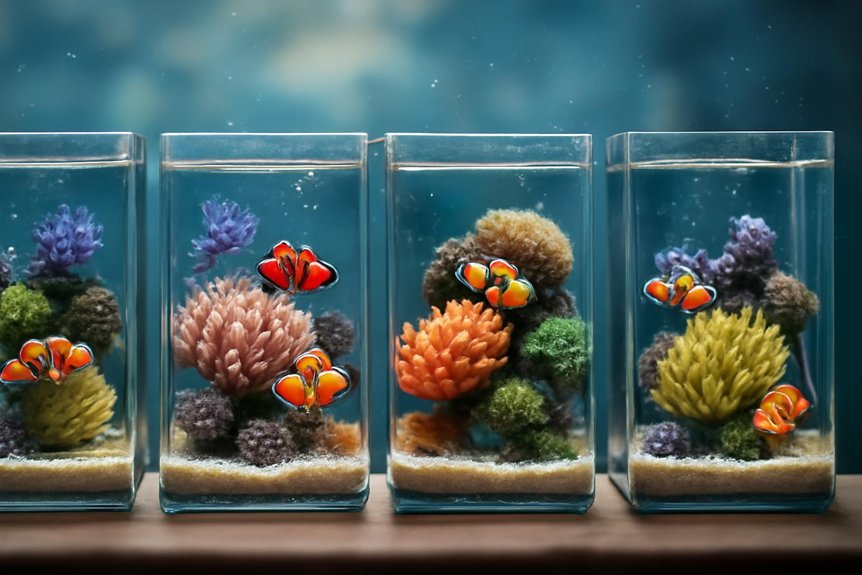
The 5 Best Nano Reef Aquariums for Beginners: Start Your Aquatic Adventure Right
Are you a beginner eager to dive into the captivating world of nano reef aquariums? You’re in the right place! Setting up a small reef tank can be an exciting yet daunting task, especially with the myriad of options available.
The right aquarium not only enhances your living space but also allows you to create a vibrant underwater ecosystem.
In this guide, we’ve curated a list of the five best nano reef aquariums specifically designed for beginners. These selections are based on key criteria such as ease of setup, filtration efficiency, and overall aesthetics.
Each aquarium on our list balances functionality with beauty, making the process of starting your aquatic adventure both enjoyable and manageable.
Whether you’re looking for a compact tank that fits perfectly on your desk or a stylish centerpiece for your living room, we’ve got you covered.
Our selections make it simple for newcomers to establish and maintain a stunning reef habitat without the overwhelming complexity often associated with larger setups.
Ready to discover the perfect nano reef aquarium for your home? Scroll down to explore our top picks and embark on your aquatic journey!
Coralland 8-Gallon Saltwater Aquarium
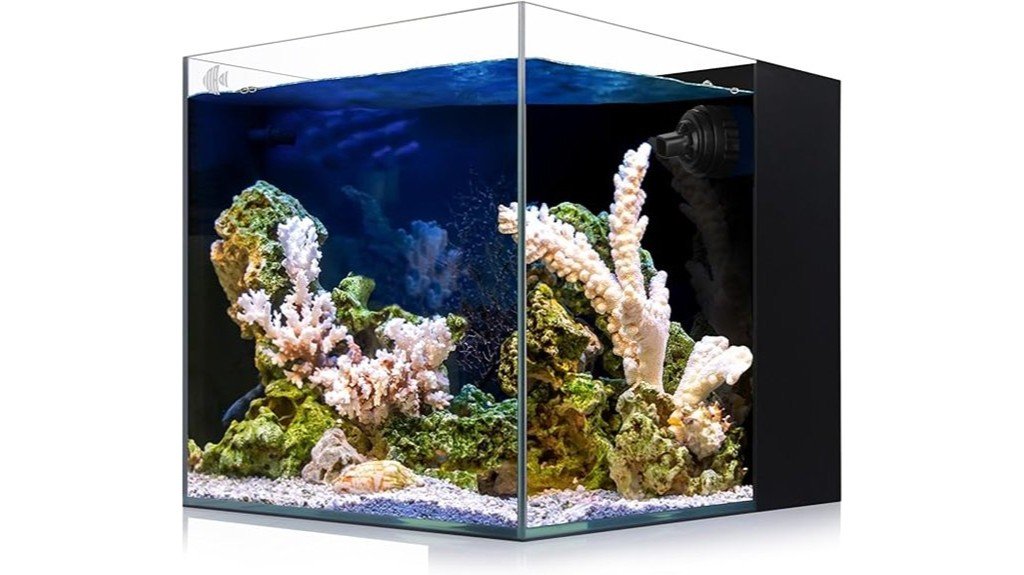
If you’re diving into the exciting world of marine aquariums, the Coralland 8-Gallon Saltwater Aquarium is a fantastic pick for beginners. This compact aquarium holds 8 gallons, with a 5.5-gallon display and a 2.5-gallon rear sump, making it perfect for saltwater fish, live rock, and corals. The premium low iron glass gives you a crystal-clear view of your aquatic friends, while the stylish 45° angled design adds a modern touch to any space. Plus, it’s easy to set up and maintain, so you won’t feel overwhelmed. Just remember, you’ll need to grab some accessories to complete your setup!
Best For: Those seeking a compact and user-friendly saltwater aquarium, ideal for beginners and small spaces.
Pros:
- Premium low iron glass provides enhanced visibility and a clear view of aquatic life.
- Stylish 45° angled design adds a modern aesthetic to any room.
- Easy setup and maintenance make it suitable for both beginners and experienced aquarists.
Cons:
- Does not come with any accessories, requiring additional purchases to complete the setup.
- Limited capacity may restrict the number of fish and corals that can be housed.
- Smaller size may require more frequent water changes and monitoring.
HelloReef 15 Gallon Beginner Clownfish Saltwater Aquarium Kit
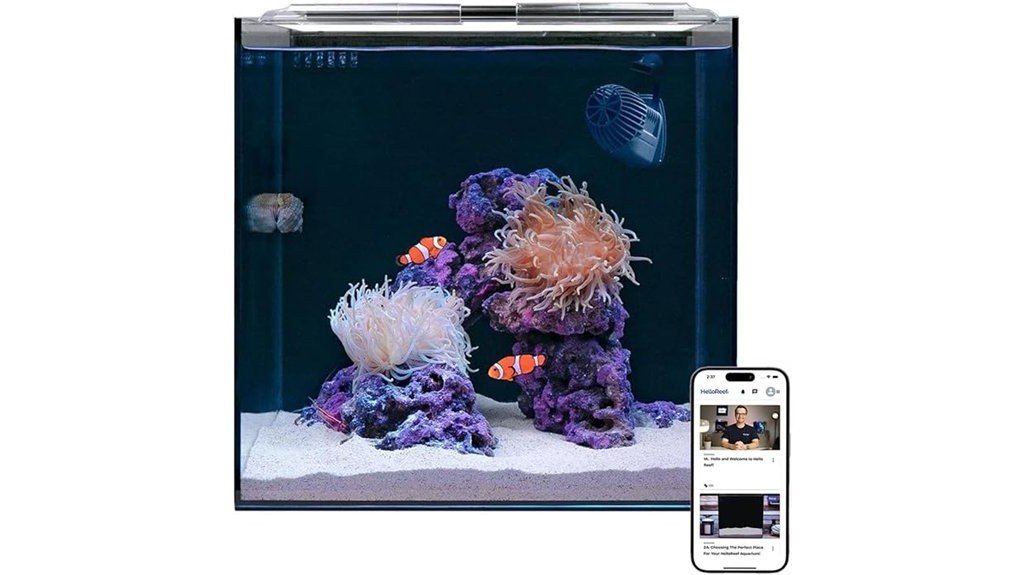
The HelloReef 15 Gallon Beginner Clownfish Saltwater Aquarium Kit is a fantastic choice for new aquarium enthusiasts keen to immerse themselves in the world of saltwater fishkeeping. This complete kit includes everything you need, like a filtration system, heater, and even smart LED lighting you can control with an app! At just 15 inches on each side, it fits nicely in most spaces. You’ll also get access to exclusive guides and a supportive online community, making your journey easier. Plus, a portion of your purchase helps coral conservation. Plunge in and start your aquatic adventure with HelloReef!
Best For: Beginner aquarium enthusiasts looking to start their journey in saltwater fishkeeping with a user-friendly and complete kit.
Pros:
- Complete kit includes all necessary equipment for easy setup and maintenance.
- App-controlled smart LED lighting enhances the aquarium experience and allows for customization.
- Access to exclusive guides and a supportive online community for assistance and advice.
Cons:
- Some components may feel cheap or of lower quality.
- Lack of a lid could pose a risk of fish jumping out of the aquarium.
- Thin glass quality may raise concerns about durability.
NICREW 2.5 Gallon Nano Nature Aquarium Kit
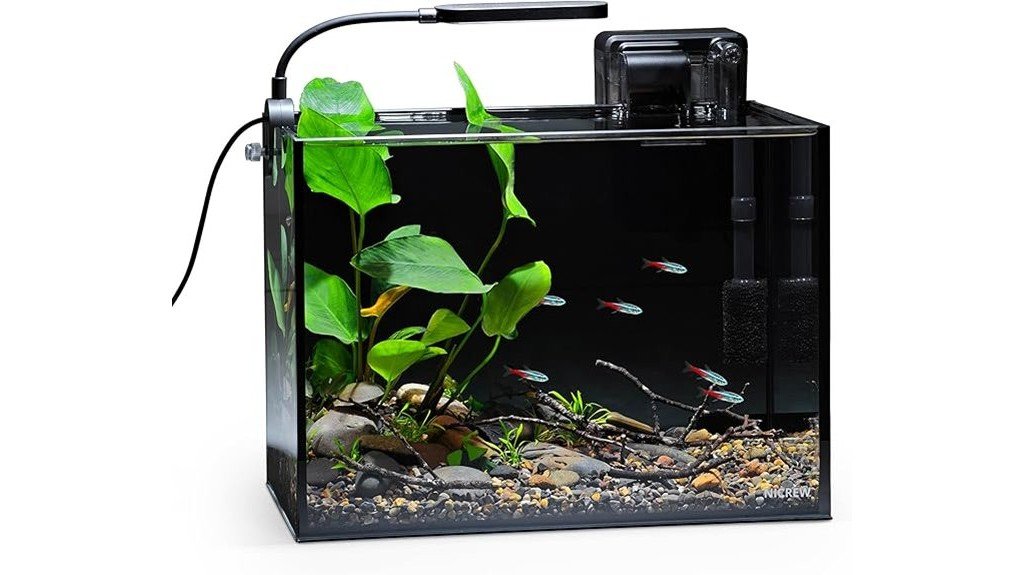
Looking for a stylish and compact aquarium that’s perfect for beginners? The NICREW 2.5 Gallon Nano Nature Aquarium Kit is just what you need! This sleek, rimless tank is designed for small fish, shrimp, or a betta, making it a fantastic addition to your desk or countertop. Setting it up is super easy, thanks to beginner-friendly instructions and all the essential components included. Plus, the high-clarity glass provides an amazing view of your underwater world, while the efficient filtration and lighting keep everything thriving. Immerse yourself in your aquatic adventure with this stunning aquarium kit that’s ready to go right out of the box!
Best For: Beginners looking for a stylish and compact aquarium for small fish, shrimp, or bettas.
Pros:
- Easy setup with beginner-friendly instructions and all essential components included.
- High-clarity glass offers excellent visibility for an immersive viewing experience.
- Compact and stylish design makes it suitable for desktops and countertops.
Cons:
- Limited capacity of 2.5 gallons may not be suitable for larger fish or multiple pets.
- Filtration and lighting systems may require occasional maintenance to ensure optimal performance.
- Rimless design may be more susceptible to water evaporation and temperature fluctuations.
hygger Horizon 8 Gallon LED Glass Aquarium Kit for Starters
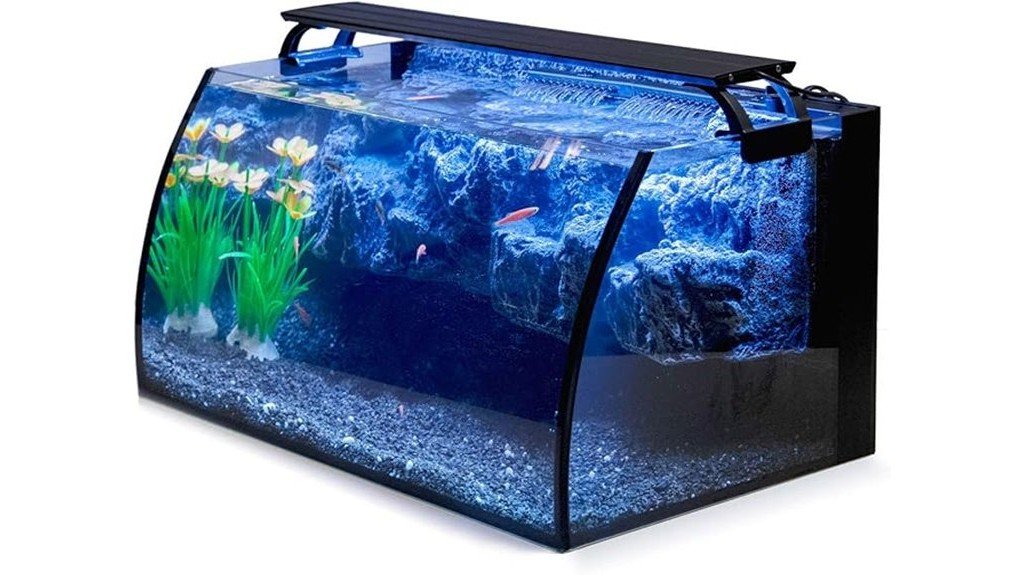
For anyone just diving into the exciting world of nano reef aquariums, the hygger Horizon 8 Gallon LED Glass Aquarium Kit stands out as an ideal choice. This kit includes an 8-gallon glass tank, a quiet 7W filter pump, and a vibrant 18W LED light. The 3D rockery background not only looks cool but also provides hiding spots for your fish. You can easily adjust the LED light’s brightness and timer, giving you full control over your aquarium’s ambiance. Plus, its unique curved design makes viewing a delight. With careful setup, this aquarium could be your new aquatic masterpiece!
Best For: Beginners looking to start a nano reef aquarium with a user-friendly setup and stylish design.
Pros:
- Includes a complete kit with tank, filter, LED light, and decorative background for a seamless start.
- Adjustable LED lighting allows customization of brightness and timing for optimal fish and plant health.
- Unique convex design enhances viewing experience while providing shelter for fish.
Cons:
- The filter may be too strong for small fish under 2 inches, requiring caution in fish selection.
- The actual water capacity is reduced to 6 gallons due to the 3D background, limiting stocking options.
- The aquarium weighs approximately 68 pounds when full, making it heavy and potentially difficult to move.
Luna Reef Nano Tank 4 Gallon Frag System

If you’re a budding aquarist keen to immerse yourself in the world of coral propagation, the Luna Reef Nano Tank 4 Gallon Frag System could be your perfect partner. This sleek, black acrylic tank is compact, measuring just 12 x 16 x 5 inches, making it an ideal fit for any space. With a functioning volume of 2.74 gallons, it’s designed to help you frag coral colonies or acclimate small livestock. Plus, it includes a powerful pump and handy plumbing components. While some users have raised concerns about price and service, it’s still a solid choice for beginner hobbyists enthusiastic to plunge into aquatics!
Best For: This product is best for hobbyists of all skill levels looking to frag coral colonies or acclimate small livestock in a compact and stylish tank.
Pros:
- Compact design fits easily in small spaces.
- Sturdy acrylic material ensures durability.
- Includes essential components such as a pump and plumbing for immediate setup.
Cons:
- Some users find the price to be on the higher side.
- Customer service experiences have received negative feedback.
- Average rating of 3.4 out of 5 stars indicates mixed user satisfaction.
Factors to Consider When Choosing Nano Reef Aquariums for Beginners
When you’re picking a nano reef aquarium, there are a few key factors to think about. First, consider the tank size and capacity, as this will shape your aquatic adventure. Then, don’t forget about filtration, lighting options, and the materials used, because these can make a big difference in how easy or fun your reef-keeping experience will be!
Tank Size and Capacity
Choosing the right tank size for your nano reef aquarium can feel like a big decision, especially since it sets the stage for your underwater adventure. Most beginners find that tanks between 5 and 15 gallons are perfect for getting started. Smaller tanks, like the 2.5-gallon ones, may fit in tight spaces, but they need more frequent water changes. An 8-gallon tank offers a great balance, providing enough room for marine life while being manageable. If you’re feeling ambitious, a 15-gallon tank gives you more stability in water parameters and a wider variety of fish and corals. Just remember, features like filters and decorations can reduce the actual water capacity, so choose wisely!
Filtration and Maintenance Needs
Now that you’ve picked out the perfect tank size for your nano reef aquarium, it’s time to think about how to keep that little underwater world thriving. Effective filtration is essential because smaller tanks can change quickly, so you’ll want a reliable multi-stage filtration system. Regular maintenance means checking water parameters like salinity, pH, and ammonia levels, which are critical for your fish and coral. A user-friendly setup will make your life easier, allowing you to enjoy your aquarium without feeling overwhelmed. Don’t forget a quality pump to improve water flow and oxygenation! Finally, routine cleaning of filters and substrate helps prevent waste buildup, ensuring your tiny ocean remains a healthy paradise. Happy reef-keeping!
Lighting Options and Features
Selecting the right lighting for your nano reef aquarium can feel a bit overwhelming, but it’s an essential step in creating a vibrant underwater world. First, consider LED lighting options that let you adjust brightness and switch between different light modes. This flexibility helps your marine life thrive! Look for lights that you can control digitally, allowing you to set schedules for ideal photosynthesis—like 3, 6, or even 12 hours. Pay attention to the color spectrum too; a mix of white, blue, and red LEDs can enhance coral colors and promote growth. Finally, make sure the lighting fits your tank’s size and doesn’t produce too much heat, as that could harm your aquatic friends. Happy illuminating!
Material and Build Quality
When diving into the world of nano reef aquariums, you’ll quickly realize that the material and build quality of your tank play a huge role in its success. High-quality glass, especially low iron ultra-clear glass, gives you a fantastic view of your aquatic life, reducing color distortion. You’ll want to take into account wall thickness too—thicker walls mean better durability, which is vital for keeping your fish safe. Rimless designs look sleek and modern, but be careful; they can be fragile. When deciding between glass and acrylic, remember that glass is heavier but scratch-resistant, while acrylic is lightweight and insulative but can scratch more easily. Reinforced corners are also a must for added strength in smaller tanks.
Included Accessories and Equipment
Choosing the right nano reef aquarium can feel a bit overwhelming, especially with so many options out there. One of the first things you should look for is whether the kit includes all the necessary equipment, like filtration systems, pumps, and lighting. Complete kits that offer sand, live rock, fish food, and salt make starting out much easier. You’ll also want to check for user-friendly setup guides and online resources, as these can really help you get your tank established. Look for adjustable LED lighting with different color modes and timers; they not only look cool but also keep your aquatic friends happy. Finally, a high-quality filtration system is a must to maintain water clarity and keep your marine life healthy.
Ease of Setup and Use
Starting your journey into the world of nano reef aquariums should be an exciting adventure, not a puzzle you need to solve. To make things easier, look for complete kits that include everything essential—like filtration, lighting, and heating. This way, you won’t have to run around buying extra parts. User-friendly designs with step-by-step guides can help you learn the ropes without feeling overwhelmed. High-clarity glass is a great choice, as it makes your aquarium look stunning and vibrant. Also, consider tanks with adjustable lighting and filtration systems, letting you customize according to your aquatic friends’ needs. Finally, compact designs are easier to manage, perfect for beginners with limited space or experience. Immerse yourself and enjoy!
FAQ
What Types of Fish Are Best for Nano Reef Aquariums?
FAQs about Fish for Nano Reef Aquariums
1. What small fish species are suitable for nano reef aquariums?
Small species like clownfish, gobies, and blennies are ideal for nano reef setups due to their size and adaptability to limited space.
2. Why are clownfish a good choice for nano reefs?
Clownfish are hardy and colorful, making them popular among reef keepers. They can thrive in smaller aquariums and often have engaging behaviors.
3. What are the benefits of keeping gobies in a nano reef?
Gobies are small, peaceful fish that help maintain the aquarium’s ecosystem by sifting through substrate. Their small size makes them perfect for confined spaces.
4. Are blennies suitable for nano reef aquariums?
Yes, blennies are well-suited for nano reefs as they are small and have unique personalities. They often graze on algae, contributing to tank maintenance.
5. How many fish can I keep in a nano reef aquarium?
The number of fish depends on the tank size and species’ bioload, but typically 1-2 small fish can be kept per 5 gallons of water.
6. What water conditions are necessary for nano reef fish?
Maintaining stable water parameters, including temperature, salinity, and pH, is crucial for the health of nano reef fish. Regular water testing and changes are essential.
7. Do nano reef fish require special feeding?
Yes, nano reef fish often benefit from a varied diet that includes high-quality flakes, pellets, and frozen foods to ensure balanced nutrition.
8. Can I mix different species of small fish in a nano reef?
Yes, but it’s important to choose compatible species to avoid aggression and stress. Researching each species’ temperament is key.
9. How can I enhance the environment for nano reef fish?
Provide hiding spots, live rock, and appropriate substrate to create a more natural habitat. This helps reduce stress and promotes natural behaviors.
10. Are there any fish to avoid in nano reef tanks?
Larger or aggressive species should be avoided, as they may outgrow the tank or bully smaller inhabitants. Stick to peaceful, small species for best results.
How Often Should I Perform Water Changes in a Nano Reef?
FAQs about Water Changes in a Nano Reef
1. How often should I change the water in my nano reef?
You should aim to perform water changes every one to two weeks to maintain optimal water quality.
2. Why are water changes important for my nano reef?
Regular water changes help remove toxins and waste, ensuring a healthier environment for your aquatic life.
3. What volume of water should I change during each water change?
It’s generally recommended to change about 10-20% of the total water volume during each water change.
4. Can I change the water too frequently?
While consistency is key, changing the water too frequently can disrupt the tank’s stability and beneficial bacteria.
5. What should I do before performing a water change?
Always test your water parameters, such as salinity and pH, to ensure the new water is compatible with your tank.
6. Do I need to treat the new water before adding it to the tank?
Yes, make sure to treat the new water with a dechlorinator and adjust its temperature and salinity to match your tank.
7. What signs indicate that I need to change the water more frequently?
If you notice increased algae growth, cloudy water, or stressed aquatic life, consider changing the water more often.
8. Can I use tap water for my nano reef water changes?
It’s best to use pre-treated or RO/DI (reverse osmosis/deionized) water to avoid introducing harmful chemicals found in tap water.
9. Should I siphon the substrate during water changes?
Yes, siphoning the substrate can help remove detritus and waste, contributing to better overall tank health.
10. What is the impact of skipping water changes?
Skipping water changes can lead to poor water quality, higher toxin levels, and stress or illness in your aquatic inhabitants.
11. Is it necessary to change water if I have a filtration system?
Yes, even with a filtration system, regular water changes are crucial to remove dissolved organics and maintain water quality.
Can I Keep Coral in a Nano Reef Aquarium?
FAQ 1: Can I keep coral in a nano reef aquarium?
Yes, corals can thrive in a nano reef aquarium with the right conditions.
FAQ 2: What lighting is needed for corals in a nano reef?
Corals require adequate lighting, often provided by LED or T5 lights, to support their growth and photosynthesis.
FAQ 3: How important are water parameters for corals?
Stable water parameters, including temperature, pH, and salinity, are crucial for coral health and should be regularly monitored.
FAQ 4: What filtration is best for a nano reef aquarium?
Proper filtration is essential to maintain water quality; options include sponge filters, hang-on-back filters, or in-tank filter systems designed for smaller tanks.
FAQ 5: How often should I perform maintenance on my nano reef?
Regular maintenance, including water changes and equipment checks, should be done weekly to ensure a healthy environment for corals.
FAQ 6: What should I feed my corals?
Corals can benefit from supplemental feeding, including specialized coral foods, to support their growth and color.
FAQ 7: Do all corals require the same conditions?
No, different coral species have varying requirements for light, flow, and water chemistry, so research specific needs before adding them to your tank.
FAQ 8: Can I mix different types of corals in a nano reef?
Yes, but be cautious; ensure that the corals you select have compatible care requirements to minimize conflict.
FAQ 9: How do I know if my corals are healthy?
Healthy corals typically exhibit vibrant colors, full polyp extension, and growth; signs of distress include bleaching or retraction.
FAQ 10: Is it possible to keep delicate corals in a nano reef?
While some delicate corals can thrive in nano reefs, it’s important to provide stable conditions and avoid drastic changes in the environment.
What Is the Ideal Lighting for a Nano Reef Tank?
1. What type of lighting is best for a nano reef tank?
A full-spectrum LED setup is ideal for a nano reef tank as it promotes coral growth and simulates natural sunlight.
2. How many hours of light should I provide daily?
For optimal results, aim to provide 8-10 hours of light each day to support the health of your corals and other marine life.
3. Why is full-spectrum lighting important for corals?
Full-spectrum lighting provides the necessary wavelengths that corals need for photosynthesis, enhancing their growth and vitality.
4. Can I use other types of lights for a nano reef tank?
While there are other lighting options available, full-spectrum LEDs are recommended for their efficiency and ability to promote a healthy reef environment.
5. How do I determine the right intensity of light for my tank?
The right intensity will depend on the types of corals you keep; soft corals typically need lower light levels, while hard corals may thrive under higher intensity.
6. What is the impact of too much light on a nano reef tank?
Excessive lighting can lead to algae blooms and stress out corals, which may inhibit their growth and overall health.
7. Should I consider a lighting schedule for my reef tank?
Implementing a consistent lighting schedule helps mimic natural conditions, benefiting the overall ecosystem within your tank.
8. Is it necessary to have a dimming feature in my lighting system?
A dimming feature can be beneficial, allowing you to adjust light intensity based on the needs of your corals and to simulate dawn and dusk.
9. How often should I replace my LED lights?
LED lights can last a long time, but it’s good practice to replace them every 3-7 years, depending on their quality and usage.
10. Can I use lighting to control algae growth in my tank?
Adjusting your lighting schedule and intensity can help manage algae growth; reducing light exposure can limit algae proliferation while still supporting coral health.
How Do I Cycle a New Nano Reef Aquarium?
1. What is the purpose of cycling a nano reef aquarium?
Cycling establishes beneficial bacteria that convert harmful ammonia into nitrite and then into nitrate. This process creates a stable environment for the livestock.
2. How can I add ammonia to start the cycling process?
You can introduce ammonia by using fish food or pure ammonia. Both methods provide a source for bacteria to thrive on during the cycle.
3. How often should I test the water during cycling?
Regular testing is essential; check the ammonia, nitrite, and nitrate levels at least once a week. This helps you monitor the cycling process and determine when it’s complete.
4. What water parameters should I monitor?
Focus on ammonia, nitrite, nitrate, pH, and salinity. Keeping these parameters stable is crucial for the health of the beneficial bacteria.
5. How long does the cycling process take?
Cycling can take anywhere from a few weeks to several months, depending on the method used and the conditions in your aquarium. Patience is key during this stage.
6. Should I add any livestock during the cycling process?
No, it’s best to wait until the cycling is complete before introducing any fish or invertebrates. This prevents stress on new livestock and ensures a healthier environment.
7. What signs indicate that my aquarium is cycled?
The cycling process is complete when ammonia and nitrite levels drop to zero, and you can detect a measurable amount of nitrate. This indicates that beneficial bacteria are well-established.
8. Can I speed up the cycling process?
Yes, you can use products that contain live beneficial bacteria or seed your tank with media from an established aquarium. These methods can help jumpstart the cycling process.
9. Is it necessary to do water changes during cycling?
Water changes are not typically necessary unless ammonia or nitrite levels become dangerously high. However, maintaining stable parameters is important, so occasional changes may be beneficial.
10. What should I do if ammonia or nitrite levels remain high for too long?
If levels remain elevated, consider reducing the ammonia source or performing a partial water change. High levels can be harmful, so addressing them promptly is essential.
Final Thoughts
Starting your aquatic adventure with a nano reef aquarium is an exciting and rewarding endeavor. Each of the top options I’ve outlined comes with its own set of features that will help you craft a vibrant underwater ecosystem. Whether you opt for the sleek design of the Coralland or the cutting-edge, app-controlled HelloReef, you’re setting yourself up for a fulfilling experience in marine care. Dive in with enthusiasm, embrace the learning curve, and remember that every expert aquarist began their journey just like you. Equip yourself with knowledge, and may your aquarium thrive! Happy fishkeeping!