
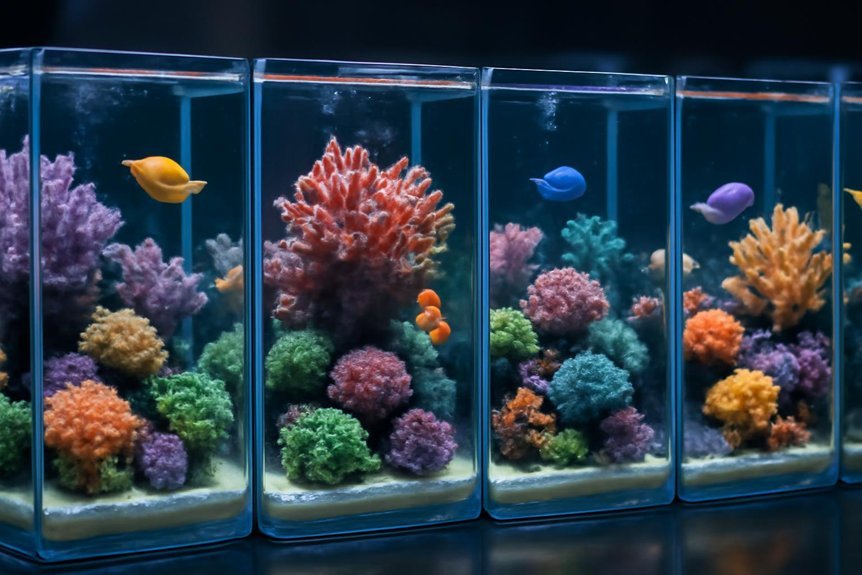
5 Best Nano Reef Tanks for Mixed Reefs: A Guide to Choosing the Perfect Home for Your Corals
Are you considering diving into the world of nano reef tanks? This guide is tailored for reef enthusiasts looking to create a vibrant underwater ecosystem in a compact space.
With so many tanks available, it can be overwhelming to find the perfect one for your colorful corals and fish. The right nano reef tank not only enhances the beauty of your home but also provides the ideal environment for your aquatic life.
In this roundup, we’ll explore the top five nano reef tanks, highlighting their unique features and benefits. From the sleek Coralland 8-Gallon to the stylish biOrb Flow 30, each option caters to different needs and preferences.
When choosing a tank, consider factors such as size, filtration system, and ease of maintenance, as these elements play a crucial role in the health of your reef.
Whether you’re a beginner or a seasoned aquarist, our carefully curated selections will guide you to the perfect nano reef tank that fits your lifestyle and aesthetic.
Ready to transform your living space into an aquatic paradise? Scroll down to discover our top picks!
Coralland 8-Gallon Saltwater Aquarium
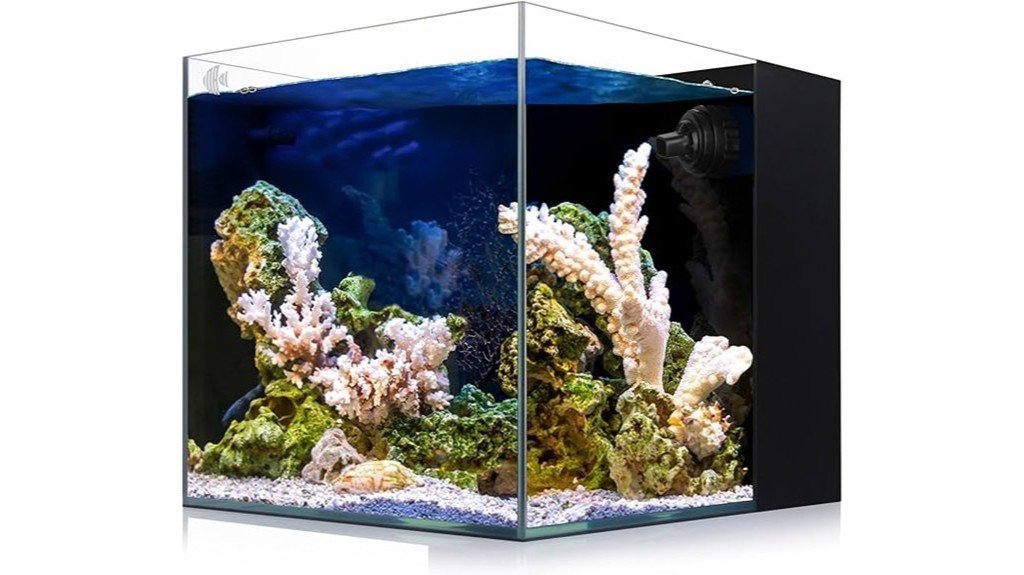
If you’re looking for a compact yet stunning addition to your home, the Coralland 8-Gallon Saltwater Aquarium could be just the ticket! This beautiful aquarium offers 5.5 gallons of display space and a 2.5-gallon rear sump, making it perfect for saltwater fish, live rock, and even coral systems. You’ll love its premium low iron glass, which enhances visibility while reducing that pesky greenish tint. Plus, the sleek 45° angled joint design not only looks modern but also guarantees durability. Whether you’re a beginner or a seasoned aquarist, this tank makes setup and maintenance a breeze, letting you enjoy your marine paradise!
Best For: Beginners and experienced aquarists looking for a compact and visually appealing marine aquarium for saltwater fish and coral.
Pros:
- Premium low iron ultra-clear glass enhances visibility and reduces greenish tint.
- User-friendly design simplifies setup and maintenance, making it suitable for all skill levels.
- Modern 45° angled joint design adds aesthetic appeal and ensures durability.
Cons:
- Does not come with any accessories, requiring additional purchases for complete setup.
- Limited capacity of 8 gallons may restrict the number and size of marine life you can keep.
- Rear sump design may complicate access to certain areas for cleaning and maintenance.
Coralife LED BioCube Aquarium Fish Tank Kit (32 Gallon)
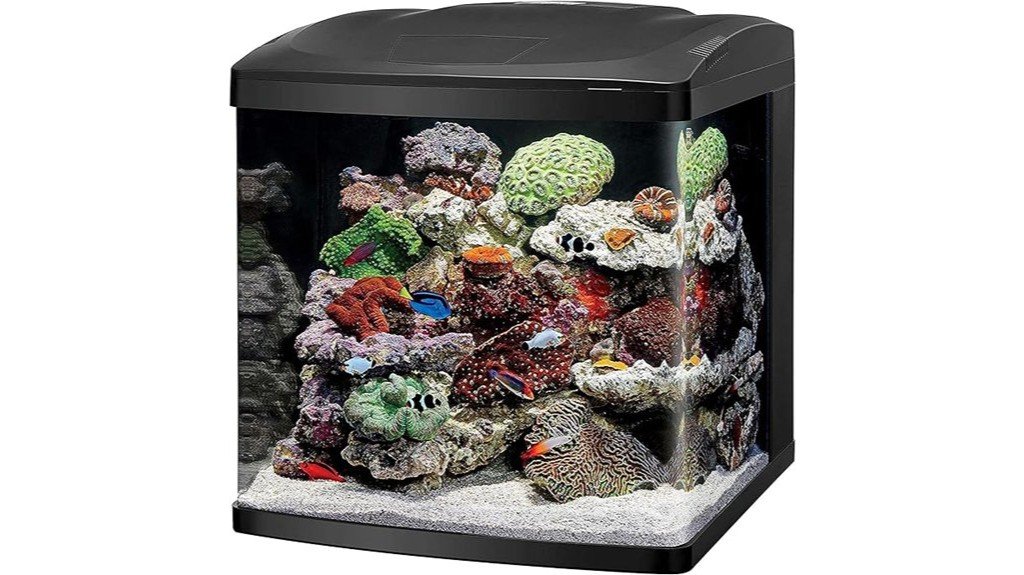
The Coralife LED BioCube Aquarium Fish Tank Kit is a fantastic choice for anyone looking to immerse themselves in the world of mixed reef tanks, whether you’re just starting out or already have some experience. This 32-gallon tank features a sleek, rounded design that’s sure to catch your eye. With a quiet pump and customizable filtration system, setting it up is a breeze. Plus, the vibrant LED lighting supports coral growth and creates a stunning display. You can even program the lighting to mimic natural day and night cycles. Just remember to check for leaks before you immerse yourself—happy reefing!
Best For: Beginners and experienced aquarists looking for a stylish and functional aquarium for mixed reef tanks.
Pros:
- Easy Setup: The compact and customizable filtration system simplifies installation and maintenance.
- Stunning Lighting: Vibrant LED lighting promotes coral growth and enhances the overall aesthetic of the tank.
- Natural Cycle Simulation: Integrated timer allows for programmable sunrise/sunset and moonrise/moonset functions, mimicking natural day/night cycles.
Cons:
- Noise Issues: Some users report noise from the filter motor, which may be distracting in quiet environments.
- Complex Timer: The programmable timer can be challenging to use, requiring additional resources like YouTube tutorials for guidance.
- Additional Equipment Needed: Fish, corals, substrate, and décor are sold separately, necessitating extra purchases for a complete setup.
Fluval Evo XII Saltwater Aquarium Kit (13.5 Gal)
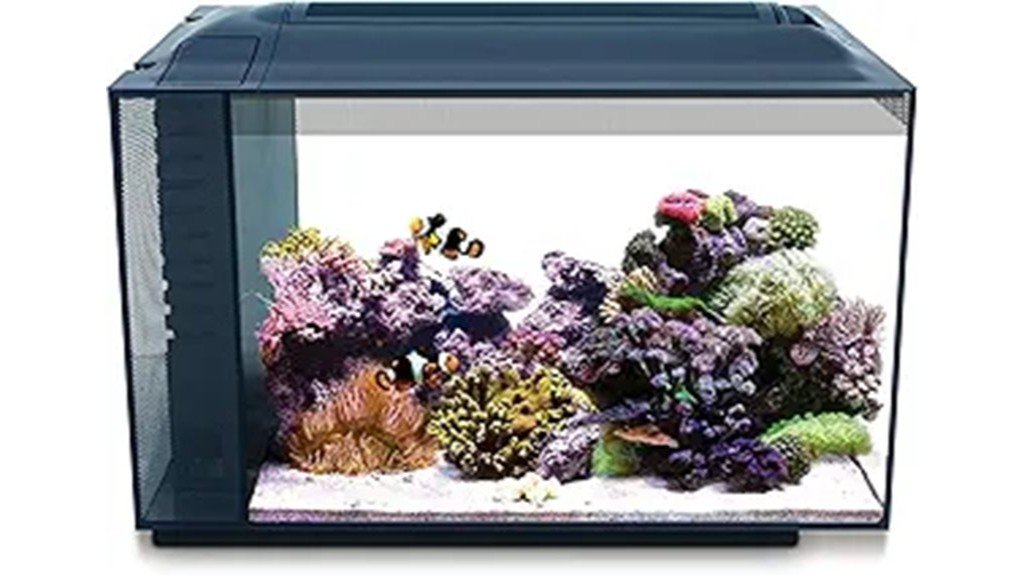
Looking for a stylish yet functional aquarium for your mixed reef? The Fluval Evo XII Saltwater Aquarium Kit is perfect for you! With a 13.5-gallon glass design, it fits snugly in various spaces. Its sleek honeycomb pattern hides the filtration system, giving it a modern touch. You’ll love the powerful 3-stage filtration that keeps your water clean and your corals happy. Plus, the easy-to-use LED lighting offers day and night settings, making your tank shine bright. This reef-capable setup not only looks great but also supports your aquatic life, making it a fantastic choice for any hobbyist!
Best For: Aquarists looking for a stylish and functional aquarium that supports a mixed reef environment.
Pros:
- Stylish design with a modern honeycomb pattern that enhances any space.
- Powerful 3-stage filtration system ensures clean water for healthy coral and fish.
- Convenient LED lighting offers customizable day and night settings for optimal visibility.
Cons:
- Limited capacity of 13.5 gallons may not suit larger aquatic setups.
- Requires regular maintenance to keep the filtration system and water quality optimal.
- Initial setup cost may be higher compared to basic aquarium kits.
biOrb Flow 30 Acrylic 8-Gallon Aquarium with White LED Lights
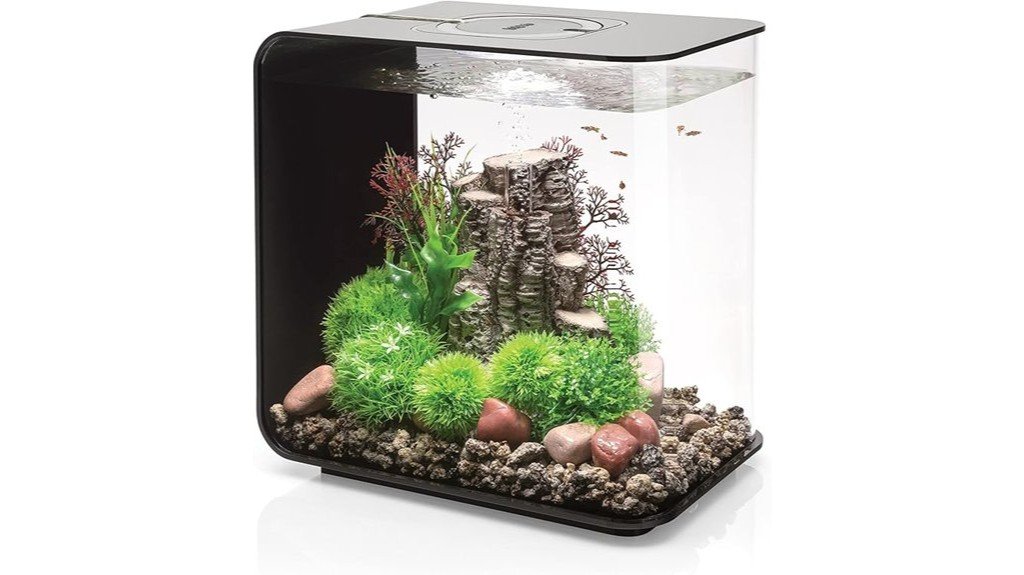
When you want to create a stunning underwater world without taking up too much space, the biOrb Flow 30 Acrylic 8-Gallon Aquarium with White LED Lights is an excellent choice. Its chic minimalist design, complete with bold black trim, makes it a perfect addition to any tabletop. You’ll love the three transparent sides, offering a full view of your aquatic life. Plus, it’s made from acrylic, so it’s lighter and clearer than glass. With a true 5-stage filtration system, maintenance is easy and just takes about 30 minutes a month. Get ready for a delightful underwater adventure!
Best For: Those looking to create a stylish and compact aquarium setup that is easy to maintain and visually appealing.
Pros:
- Chic minimalist design that enhances any tabletop space.
- Acrylic construction makes it lighter, clearer, and more durable than glass.
- True 5-stage filtration system simplifies maintenance and promotes a healthy aquatic environment.
Cons:
- Some users report pump noise that can be distracting.
- Filter replacement costs may add up over time.
- Cleaning the tank can be more challenging than expected.
40 oz Micro Reef Ready Aquarium
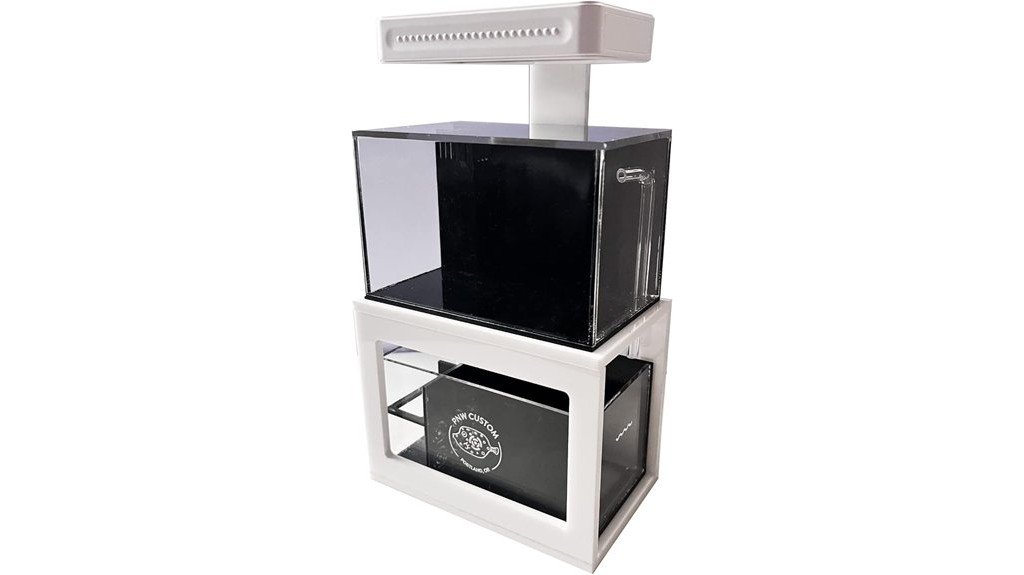
Searching for a small but mighty saltwater aquarium? The 40 oz Micro Reef Ready Aquarium might just be your perfect match! This compact desktop tank measures only 5.7 inches long and 3.7 inches wide, yet holds a total of 40 ounces of water, making it ideal for both freshwater and saltwater setups. With a powerful 10W LED light and an adjustable return pump, it offers excellent flow and lighting for your corals. Just keep in mind that some customers reported issues with broken parts and leaks. Still, its stylish design and efficient features can make your reef dreams come true!
Best For: Small space enthusiasts and beginners looking to start a saltwater or freshwater aquarium without compromising on style or functionality.
Pros:
- High-quality construction that ensures durability and reliability.
- Efficient design with a built-in sump and adjustable return pump for optimal water flow.
- Compact size makes it a great fit for desktops or small spaces.
Cons:
- Reports of broken parts upon arrival, affecting user satisfaction.
- Discrepancies in LED light specifications can lead to confusion.
- Some customers have experienced leaks from the pump hose, necessitating careful monitoring.
Factors to Consider When Choosing Nano Reef Tanks for Mixed Reefs
When you’re picking out a nano reef tank for your mixed reef, there are a few key things to contemplate. You’ll want to consider the tank size, filtration system efficiency, and lighting needs to keep your aquatic friends happy. Plus, don’t forget about material durability and maintenance—you don’t want a tank that’s going to be a hassle to care for!
Tank Size Considerations
Choosing the right tank size for your nano reef is essential, especially since it can make or break your underwater adventure. Nano tanks usually range from 5 to 30 gallons. If you’re tight on space, an 8-gallon tank might catch your eye, but smaller tanks can mean more frequent maintenance. For beginners, a 10-gallon tank is often best, as it helps keep water conditions stable. Larger tanks, like a 32-gallon, offer a more diverse ecosystem and greater stability, which is great for various corals and fish. Remember, tank dimensions also matter—taller tanks might limit light penetration, while wider ones improve gas exchange. So, pick wisely to create a thriving underwater world that you’ll love!
Filtration System Efficiency
Having a reliable filtration system is essential for your nano reef tank, especially since these smaller ecosystems can be quite sensitive. A good system helps remove waste, toxins, and uneaten food that build up in limited water volumes. Look for a filtration setup that provides mechanical, chemical, and biological filtration, ensuring a balanced environment for your fish and corals. A true 5-stage filtration system can really boost your reef’s health! Also, pay attention to the water flow rate; your filter should circulate the entire tank volume multiple times per hour. Don’t forget to maintain your filtration system by cleaning and replacing the filter media regularly to prevent clogs and keep everything running smoothly. Happy reef keeping!
Lighting Requirements
Lighting plays an essential role in creating a thriving nano reef tank, especially when you’re mixing different types of corals and fish. You’ll want to choose specific LED lighting that provides the right spectrum for photosynthesis. A programmable system can mimic natural day and night cycles, which is super beneficial for your marine life. Look for bright white and blue lights that enhance coral colors while keeping energy costs low. Make sure your lighting covers the entire tank area, and don’t forget to use timers for consistency. Finally, consider the wattage; higher wattage supports more demanding corals, while lower wattage works fine for easier species. With the right lighting, your underwater paradise will flourish!
Material Durability
When setting up a nano reef tank, you’ve got two main material options: glass or acrylic. Acrylic is ten times stronger and fifty percent lighter, which is perfect for smaller setups. It also offers clearer visibility, so you can enjoy those colorful corals! However, keep in mind that acrylic can scratch more easily than glass. Glass tanks are more scratch-resistant but heavier. The durability of your tank is essential, especially since smaller tanks deal with more water pressure. Plus, acrylic helps retain heat, which keeps your water temperature stable. Just remember to choose a tank designed for marine environments, as long-term exposure to saltwater can cause some materials to corrode. Happy tank hunting!
Maintenance Needs
Maintaining a healthy nano reef tank can feel like a fun science project, especially when you factor in all the little things that keep your underwater world thriving. Regular water changes are key, so aim for 10-20% each week to keep water quality stable. You’ll need a solid filtration system too, like a true 5-stage filter, which helps keep both fish and corals happy. Don’t forget about lighting! Programming timers for your lights guarantees your corals get the growth they crave. Since nano tanks are smaller, you’ll want to monitor water parameters like salinity and pH closely, as they can change quickly. A little time each month, about 30 minutes, can make a big difference in your reef’s health!
FAQ
What Size Fish Can I Keep in a Nano Reef Tank?
FAQs on Fish Size for Nano Reef Tanks
1. What is the maximum size of fish I can keep in a nano reef tank?
You should limit fish size to typically under 2-3 inches for a nano reef tank. This size helps maintain a healthy environment for both the fish and corals.
2. Which small fish are suitable for a nano reef tank?
Clownfish and gobies are excellent choices for nano reef tanks. They are small, hardy, and generally compatible with coral.
3. Are there any fish I should avoid in a nano reef tank?
Larger fish species or aggressive fish should be avoided as they can outgrow the tank or disturb the coral. Stick to peaceful, smaller species.
4. Can I keep multiple small fish in a nano reef tank?
Yes, you can keep several small fish, but be mindful of the tank’s bioload and territorial behaviors. Ensure there’s enough space for each fish to establish its territory.
5. How many fish can I keep in a nano reef tank?
The number of fish depends on the tank size and filtration capacity, but a general rule is one inch of fish per gallon of water. Monitor water quality to prevent overstocking.
6. Do small fish require special care in a nano reef tank?
Yes, small fish may require specific water conditions and diets. Research each species’ needs to ensure they thrive in the nano environment.
7. Will small fish harm my corals?
Most small fish, like clownfish and gobies, are reef-safe and won’t harm corals. However, always verify the compatibility of each species with your coral selection.
8. Can I keep invertebrates with small fish in a nano reef tank?
Yes, many invertebrates, like shrimp and snails, can coexist with small fish. However, ensure the fish are not overly aggressive toward the invertebrates.
9. Is it necessary to have a filtration system for small fish in a nano reef tank?
A good filtration system is crucial for maintaining water quality in a nano reef tank. It helps manage waste and provides a stable environment for small fish.
10. How often should I feed small fish in a nano reef tank?
Feed small fish small amounts 1-2 times daily, ensuring they consume the food in a few minutes. Overfeeding can lead to water quality issues.
11. What other tankmates can I consider for a nano reef tank?
Besides small fish, consider small, peaceful invertebrates and corals that won’t compete for space. Always research compatibility before adding new tankmates.
How Often Should I Perform Water Changes in a Nano Reef Tank?
FAQ 1: How often should I change water in my nano reef tank?
You should perform water changes every one to two weeks. This frequency helps maintain optimal water quality.
FAQ 2: Why are water changes important for a nano reef tank?
Regular water changes support coral health and prevent the accumulation of harmful waste and toxins in the tank.
FAQ 3: What volume of water should I change during a water change?
Typically, changing 10-20% of the tank’s water is recommended during each water change to maintain stability.
FAQ 4: Can I do larger water changes less frequently?
While larger water changes can be beneficial, they may disrupt the tank’s stability. It’s advisable to stick to smaller, more frequent changes.
FAQ 5: How do water changes affect the tank’s ecosystem?
Water changes replenish essential minerals and nutrients, promoting a healthier environment for corals and other inhabitants.
FAQ 6: What signs indicate that I need to change the water?
If you notice increased algae growth, cloudy water, or changes in fish behavior, these may be signs that a water change is needed.
FAQ 7: Is it necessary to test water parameters before a water change?
Yes, testing water parameters helps determine if a water change is needed and how much water should be replaced.
FAQ 8: Should I use a water conditioner during water changes?
Using a water conditioner is recommended to remove harmful chemicals from tap water, ensuring a safer environment for your tank.
FAQ 9: How can I prepare for a water change?
Prepare by gathering necessary tools, such as a siphon, buckets, and a water conditioner. Make sure to match the temperature and salinity of the new water with the tank.
FAQ 10: Can water changes help with fish health?
Yes, regular water changes can reduce stress on fish by maintaining a stable and clean environment, which is crucial for their overall health.
Can I Combine Different Types of Corals in One Tank?
1. Can I mix hard and soft corals in the same tank?
Yes, hard and soft corals can coexist. However, ensure they have compatible light and water flow requirements.
2. What factors should I consider when combining different coral species?
Consider lighting, water flow, and space needs for each coral species. This will help keep all corals healthy.
3. How do I know if corals are compatible?
Research each coral species’ requirements and compatibility with others. Some corals may compete for space or resources.
4. What kind of lighting do different corals need?
Corals have varying lighting needs; some require bright light while others thrive in lower light conditions. Match lighting to the needs of all species in your tank.
5. How does water flow affect coral compatibility?
Each coral type prefers different water flow levels. Ensure that the tank’s flow accommodates the needs of all corals present.
6. Should I monitor water parameters when housing multiple corals?
Yes, regular monitoring of water parameters like pH, salinity, and nutrient levels is crucial for maintaining a healthy environment.
7. Can I add new corals to an established tank?
You can add new corals, but it’s important to ensure they are compatible with existing species. Monitor their interactions closely after introduction.
8. How much space do corals need in the tank?
Corals need adequate space to grow and avoid competition. Plan for their growth when arranging your tank layout.
9. Are there any corals that shouldn’t be kept together?
Yes, some corals, like certain aggressive species, should not be housed together due to territorial disputes and potential harm.
10. How often should I check on my corals?
Regular checks should be part of your routine, ideally weekly. This helps you catch any issues early and keep all corals thriving.
What Is the Ideal Temperature for a Nano Reef Tank?
FAQs about Ideal Temperature for a Nano Reef Tank
1. What is the ideal temperature range for a nano reef tank?
The ideal temperature for a nano reef tank is between 75°F and 80°F, which supports the health of various marine life.
2. Why is temperature stability important in a nano reef tank?
Temperature stability is crucial because fluctuations can stress corals and other inhabitants, potentially leading to health issues.
3. How often should I monitor the temperature in my nano reef tank?
It is recommended to monitor the temperature regularly, at least once a day, to ensure it remains within the ideal range.
4. What can cause temperature fluctuations in a nano reef tank?
Factors such as room temperature changes, lighting systems, and evaporation can cause temperature fluctuations in your tank.
5. What are some signs that my nano reef tank’s temperature is off?
Signs of improper temperature include stressed corals, unusual fish behavior, and increased algae growth.
6. How can I stabilize the temperature in my nano reef tank?
Using a reliable heater and a thermometer, along with regular water changes, can help maintain a stable temperature.
7. Is it safe to adjust the tank temperature quickly?
No, rapid temperature changes can be harmful. Adjust the temperature gradually to avoid shocking the tank’s inhabitants.
8. Can I use a chiller for my nano reef tank?
Yes, a chiller can be beneficial if your tank experiences high temperatures, especially in warmer climates, helping to maintain a stable environment.
9. What is the best way to raise the temperature in my nano reef tank?
Gradually increase the temperature by adjusting the heater settings slowly rather than making drastic changes.
10. How does temperature affect coral health in a nano reef tank?
Corals thrive within the ideal temperature range, and deviations can lead to bleaching or other stress-related issues, impacting their overall health.
How Do I Prevent Algae Growth in My Nano Reef Tank?
FAQ 1: How can I maintain stable water parameters in my nano reef tank?
Regularly test your water for pH, salinity, ammonia, nitrites, and nitrates. Use a reliable water testing kit and make adjustments as needed to keep parameters within the optimal range for your marine life.
FAQ 2: How often should I perform water changes in my nano reef tank?
Aim for water changes every 1-2 weeks, replacing about 10-20% of the tank water. This helps remove excess nutrients and maintain water quality.
FAQ 3: How can overfeeding contribute to algae growth?
Overfeeding leads to excess waste and uneaten food decomposing in the tank, which increases nutrient levels, promoting algae growth. Feed your fish only what they can consume in a few minutes.
FAQ 4: What role does lighting play in algae growth?
Excessive or improper lighting can fuel algae growth. Ensure you have the right type and duration of lighting for your nano reef tank to prevent unwanted algae blooms.
FAQ 5: What types of fish or invertebrates can help control algae naturally?
Herbivorous fish like tangs or invertebrates like snails and shrimp can graze on algae, helping to keep it under control. Research compatible species for your nano reef setup.
FAQ 6: Can I use chemical treatments to control algae growth?
While chemical treatments are available, they should be used cautiously as they can disrupt the balance of your tank. It’s best to focus on natural methods of algae control.
FAQ 7: How can I reduce nutrient levels in my nano reef tank?
Introduce a protein skimmer, maintain regular water changes, and avoid overfeeding. Additionally, consider using live rock or macroalgae to help absorb excess nutrients.
FAQ 8: What is the importance of tank maintenance in preventing algae growth?
Regular tank maintenance, including cleaning equipment and removing detritus, helps prevent nutrient buildup that fosters algae growth. Consistent care is key to a healthy nano reef.
FAQ 9: How can I identify different types of algae in my tank?
Observe the color and texture of the algae; green hair algae, red slime algae, and diatoms each have distinct appearances. Identifying the type can help you determine the best control method.
FAQ 10: Is it normal for some algae to grow in a nano reef tank?
Yes, some algae growth is normal and can even be beneficial in maintaining a balanced ecosystem. However, excessive growth should be monitored and addressed promptly.
Final Thoughts
When it comes to selecting the ideal nano reef tank, there’s no need to feel overwhelmed! Each tank on our list has standout features tailored to different needs, ensuring your corals thrive. For budget-conscious aquarists, the Coralland’s compact design offers excellent value without compromising on quality. If you’re a beginner, the Coralife’s spacious setup makes maintenance a breeze while providing ample room for growth. Advanced users looking for high performance will appreciate tanks that prioritize durability and advanced filtration systems.
Choose the Coralland if you’re working with a tight budget, and opt for the Coralife if you’re just starting your reef-keeping journey. For those with experience who demand reliability and performance, consider the high-end options that cater to more complex setups. With the right choice, you’ll be well on your way to creating a stunning underwater haven that will impress everyone!