
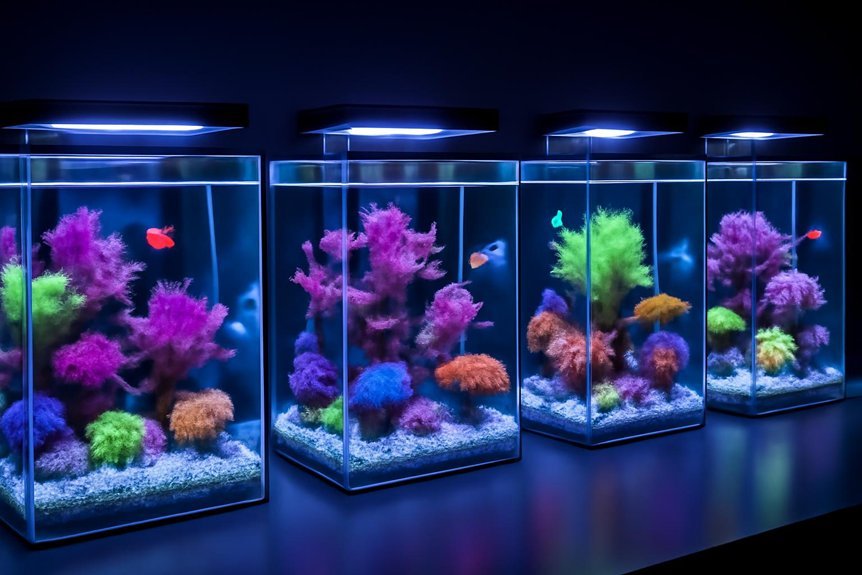
5 Best Nano Reef Tanks for Offices: Create Your Own Underwater Oasis
Looking to bring a slice of the ocean to your workspace? If you’re searching for a way to enhance your office environment, nano reef tanks could be the perfect solution.
These compact aquariums not only fit seamlessly on your desk, but they also provide a stunning visual and calming atmosphere that can reduce stress and boost creativity.
In this guide, we’ve curated a selection of the best nano reef tanks that cater to both beginners and seasoned aquarists.
Whether you’re seeking vibrant corals, colorful fish, or a low-maintenance setup, each product in our roundup addresses common challenges, such as space constraints and ease of care.
We’ve focused on key criteria such as tank size, filtration quality, and aesthetic appeal to ensure you find the best fit for your office oasis.
Ready to transform your workspace into a mini marine paradise?
Scroll down to explore our top picks for nano reef tanks that will not only beautify your desk but also provide a serene escape during your busy workday.
40 oz Micro Reef Ready Aquarium
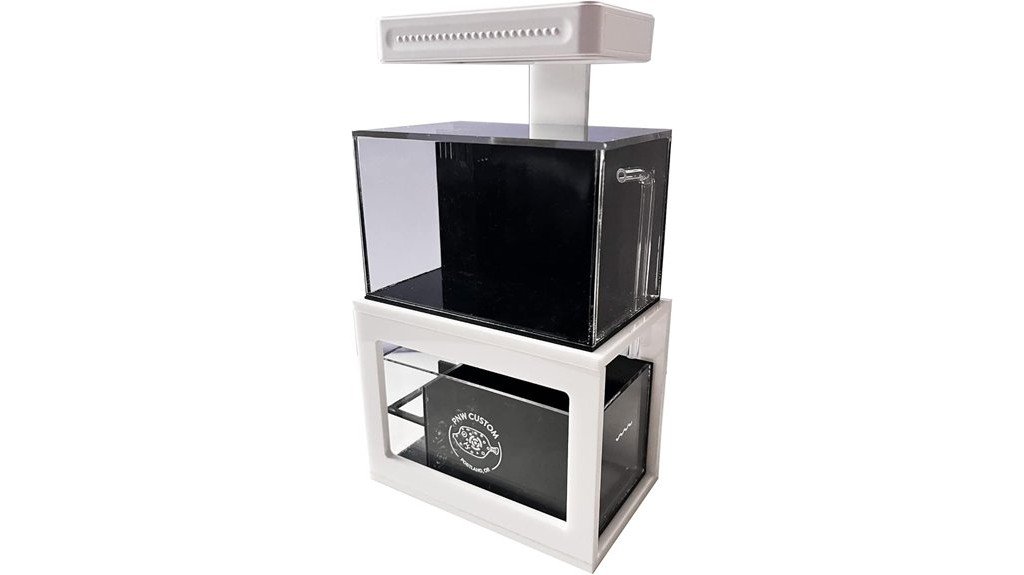
If you’re looking for a fun and unique way to brighten up your office space, the 40 oz Micro Reef Ready Aquarium might just be the perfect fit for you! This small desktop saltwater fish tank is designed to impress, featuring a sleek acrylic body, LED light, and a built-in sump. With dimensions of 5.7 inches long and 8 inches high, it’s compact yet enchanting. You can create a mini underwater world with a water volume of 40 oz, perfect for showcasing colorful fish. Just keep in mind some customers reported issues with shipping, but don’t let that dampen your excitement!
Best For: Individuals seeking a compact and stylish aquarium for their desktop that can accommodate both freshwater and saltwater fish.
Pros:
- High-quality construction with a sleek acrylic design.
- Efficient built-in sump and adjustable return pump for optimal water flow.
- LED lighting with adjustable height for customizable illumination.
Cons:
- Reports of broken parts and leaking pump hoses upon arrival.
- Discrepancies noted in light specifications, leading to customer confusion.
- Challenges in obtaining customer support for replacements or repairs.
Coralland 8-Gallon Saltwater Aquarium
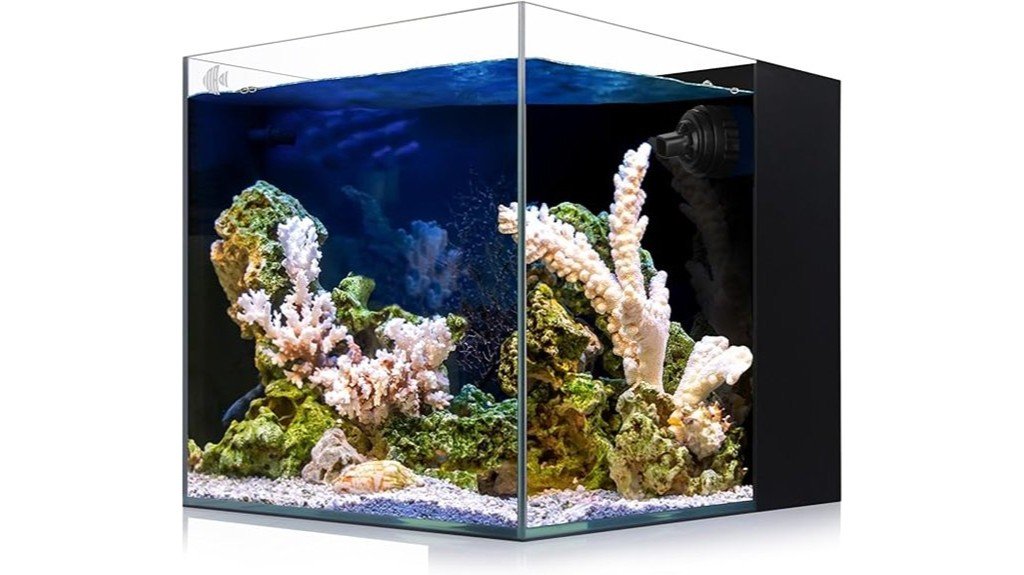
The Coralland 8-Gallon Saltwater Aquarium is a fantastic choice for anyone looking to bring a slice of the ocean into their office. With its 5.5-gallon display and 2.5-gallon rear sump, it’s perfect for saltwater fish, live rock, and corals. The premium low iron glass gives you a crystal-clear view, making your aquatic friends look even more vibrant. Plus, the 45° angled joints add a sleek, modern touch. Setting it up is a breeze, whether you’re a beginner or a seasoned aquarist. Just remember, you’ll need to grab some accessories separately to complete your underwater oasis!
Best For: Those looking to create a captivating marine display in small spaces, such as offices or homes.
Pros:
- Premium low iron glass offers exceptional clarity and reduces greenish tint.
- User-friendly design makes setup and maintenance easy for both beginners and experienced users.
- Modern 45° angled joint design enhances aesthetic appeal and adds durability.
Cons:
- Does not include any accessories, requiring additional purchases for a complete setup.
- Limited capacity may not be suitable for larger marine environments or extensive aquascaping.
- Rear sump design could make it challenging to access certain areas for maintenance.
Luna Reef Nano Tank 4 Gallon Frag System

Looking for a compact and stylish way to bring a piece of the ocean into your office? The Luna Reef Nano Tank 4 Gallon Frag System is perfect for you! With its modern black acrylic design, it measures just 12 by 16 inches—ideal for tight spaces. This tank’s 2.74 gallons of functioning volume lets you frag coral colonies or acclimate small livestock. It even includes a Sicce micra pump and all the necessary plumbing. Although some users find the price a bit steep, many appreciate its sturdy feel. Plus, it comes with a 2-year warranty, giving you peace of mind!
Best For: Hobbyists of all skill levels looking for a compact and stylish frag system for coral.
Pros:
- Compact design makes it suitable for small spaces.
- Sturdy acrylic material adds durability and a modern aesthetic.
- Includes necessary components like the Sicce micra pump and plumbing for easy setup.
Cons:
- Perceived high price compared to similar products.
- Customer service issues reported by some users.
- Average rating of 3.4 stars indicates mixed feedback from customers.
HelloReef 15 Gallon Beginner Clownfish Saltwater Aquarium Kit
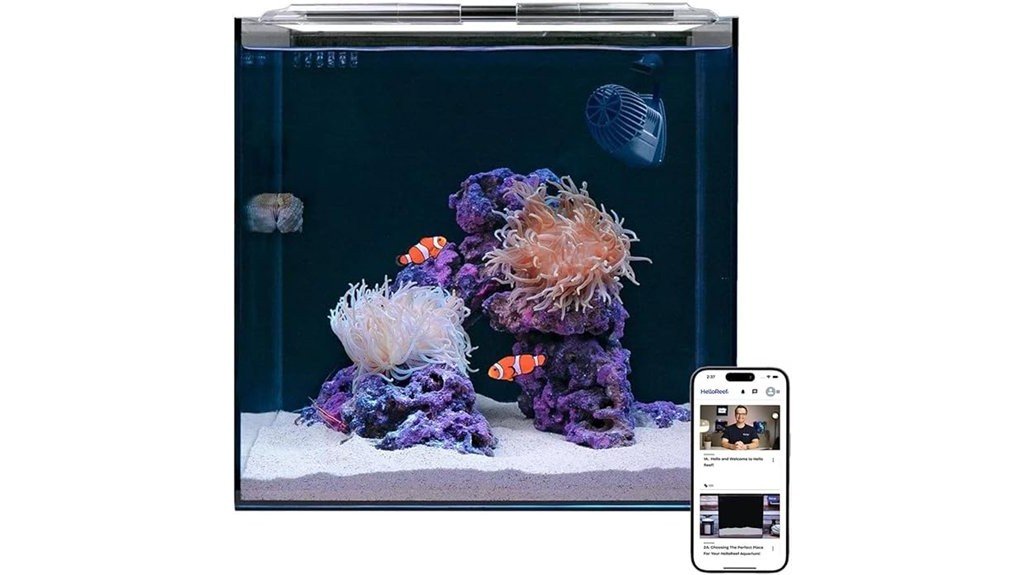
Are you ready to immerse yourself in the vibrant world of saltwater aquariums? The HelloReef 15 Gallon Beginner Clownfish Saltwater Aquarium Kit is perfect for you! This complete kit comes with everything you need: an aquarium, filtration, pump, heater, and even fish food. Its app-controlled smart LED lighting makes it extra fun! With a hidden multi-stage filtration system, your aquarium mimics a natural habitat, helping your clownfish thrive. Plus, you’ll get access to guides and a supportive online community. And don’t forget, 2% of your purchase goes to coral conservation. Immerse yourself, and create your underwater oasis today!
Best For: Beginners and hobbyists looking to start their first saltwater aquarium with a complete, user-friendly kit.
Pros:
- Comprehensive package includes all essential equipment for easy setup.
- App-controlled smart LED lighting enhances the aquarium’s aesthetics and user experience.
- Access to online community and professional support provides valuable resources and assistance.
Cons:
- Some users report issues with cheap components affecting durability.
- The absence of a lid may lead to fish jumping out of the aquarium.
- Critiques mention thin glass quality, raising concerns about potential breakage.
Fluval Evo XII Saltwater Aquarium Kit (13.5 Gal.)
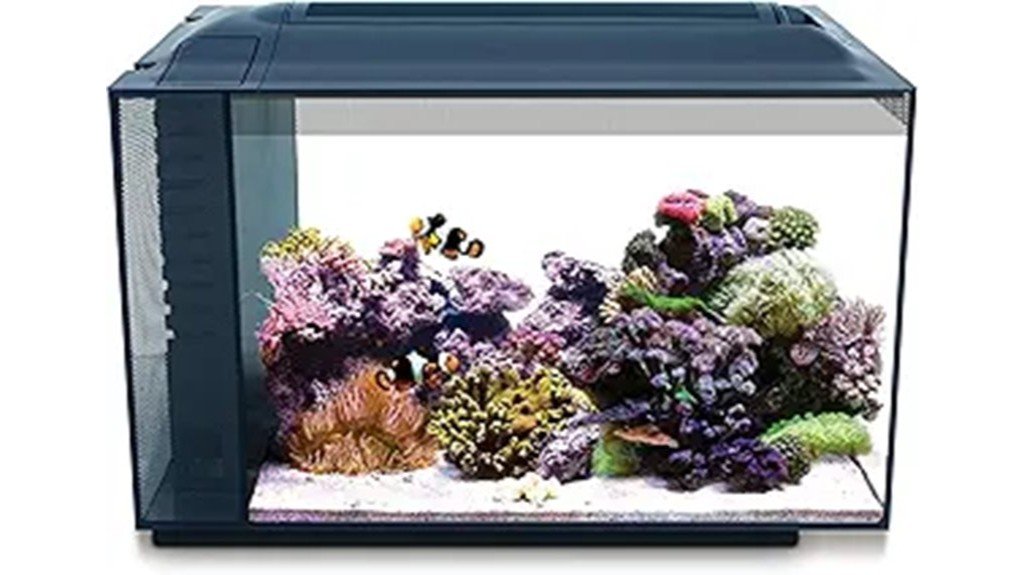
If you’re searching for an eye-catching addition to your office, the Fluval Evo XII Saltwater Aquarium Kit (13.5 Gal.) is a fantastic choice. This sleek aquarium, measuring 22 inches long, is perfect for saltwater fish and even has a stylish honeycomb design that hides the filter compartment. Its powerful 3-stage filtration system keeps your aquatic friends happy and healthy. Plus, the multifunctional LED lighting guarantees your tank shines beautifully day and night. With its modern look, this reef-capable setup fits perfectly in any workspace, making it an ideal centerpiece that’ll surely impress your coworkers. Immerse yourself in your underwater oasis!
Best For: Those looking to enhance their office space with an attractive and easy-to-maintain saltwater aquarium.
Pros:
- Stylish design that complements modern office aesthetics.
- Powerful 3-stage filtration system ensures a clean and healthy environment for fish.
- Multifunctional LED lighting provides day and night illumination, enhancing the visual appeal of the aquarium.
Cons:
- Limited size may restrict the number of fish that can be kept.
- Requires regular maintenance to keep the water quality optimal.
- Initial setup cost can be higher compared to freshwater aquariums.
Factors to Consider When Choosing Nano Reef Tanks for Offices
When you’re picking a nano reef tank for your office, there are a few key factors to contemplate. You’ll want to evaluate the size and space you have available, along with how much maintenance you’re willing to handle. Don’t forget to look at filtration options, lighting features, and the overall design, too—after all, you want something that not only functions well but looks great in your workspace!
Size and Space Requirements
Choosing the right size for your nano reef tank is like picking the perfect backpack for school—it needs to fit just right! Nano reef tanks usually range from 4 to 15 gallons, so they’re great for small office spaces. When selecting a spot, remember to check the dimensions; for example, a 40 oz aquarium fits nicely on smaller desks at just 5.7 inches long. Don’t forget about weight—when filled, a 15-gallon tank can top 125 pounds! Make sure you’ve got enough space around the tank for maintenance and equipment. Finally, consider the floor space for accessories like pumps and lights; they can take up more room than you think. Happy tank hunting!
Maintenance and Care Needs
Maintaining a nano reef tank might sound like a big commitment, but it can actually be a fun and rewarding experience! To keep your underwater oasis thriving, you’ll need to perform regular water changes every 1-2 weeks. This helps maintain water quality in those smaller volumes. You’ll also want to clean the filtration system often to prevent clogging, which depends on your tank’s bioload. Monitoring water parameters like salinity and pH is essential too, as it’s critical for your marine life’s health. Algae can be pesky, so you’ll need to scrape and vacuum to keep your tank looking sharp. Finally, check your pumps and lights regularly to guarantee everything’s working as it should. Happy reef keeping!
Filtration and Water Quality
To guarantee your nano reef tank thrives, effective filtration and water quality are key factors you can’t overlook. A solid filtration system is essential for removing debris, waste, and toxins that could harm your aquatic friends. Think about a multi-stage filtration system, which combines mechanical, chemical, and biological filtration for the best results. Since nano tanks have a smaller water volume, they can quickly face water quality changes, so regular testing for ammonia, nitrite, nitrate, pH, and salinity is a must. Don’t forget about frequent water changes to keep everything stable. Adding live rock and beneficial bacteria can boost filtration and create a healthier environment, making your underwater oasis a vibrant and happy place!
Lighting Options and Features
After ensuring your nano reef tank has high-quality filtration and water quality, it’s time to shed some light on another important aspect: lighting options. Effective lighting is essential for keeping your coral and marine life healthy. Most tanks benefit from LED lights, which range from 10W to higher wattages based on your tank size and coral needs. Adjustable height mounting lets you customize the light intensity, promoting coral growth. Some lighting systems even feature day and night modes, mimicking natural light cycles. High-quality LEDs are energy-efficient and long-lasting, measured in lumens for brightness. Plus, specialty options may allow color spectrum adjustments, enhancing coral fluorescence and supporting photosynthetic organisms. Brighten up your underwater oasis!
Aesthetic Design and Appeal
When choosing a nano reef tank for your office, the aesthetic design can make a big difference in how your workspace feels. You want a tank that complements your environment, so consider modern acrylic or low iron ultra-clear glass, which enhances visibility. Compact dimensions are key, as they fit snugly in various spots while adding visual interest. A sleek design can become a focal point, making your office more inviting. Look for features like adjustable LED lighting that showcases coral and fish beautifully, setting a calming vibe. The tank’s layout and color scheme should match your office decor, and a well-designed filtration system can be both functional and good-looking, creating an underwater oasis that everyone will love.
Compatibility With Marine Life
Choosing the right marine life for your nano reef tank is like picking the perfect ingredients for a recipe—each one needs to blend well together! Start by considering the size of your tank, since smaller tanks under 10 gallons can be tricky to maintain. They’re best for hardier species or small corals that don’t mind a bit of fluctuation. Remember, the water volume decides what you can keep. A tiny 40 oz tank limits you to very small fish or invertebrates. Don’t forget about filtration and circulation—good flow is key! Finally, check your tank’s lighting; some corals need specific light spectrums to thrive. Choose wisely, and you’ll create a vibrant underwater oasis!
Budget and Pricing Considerations
Setting up a nano reef tank in your office can be an exciting venture, but it’s important to keep your budget in check. First, consider the initial cost of the tank; prices can vary widely based on size and features. Complete kits often offer better value, as they include essential accessories, saving you from extra expenses later. Don’t forget to factor in ongoing costs like water treatments, food, and electricity for lighting and filtration. These can add up quickly! Also, check warranty and customer support options to avoid future headaches. Finally, read customer reviews to uncover any hidden costs or issues that could surprise you down the line. Happy tank hunting!
FAQ
What Type of Lighting Is Ideal for Nano Reef Tanks?
1. What type of lighting is best for nano reef tanks?
LED lighting is recommended for nano reef tanks due to its energy efficiency and ability to provide a spectrum that supports coral growth.
2. How long should I light my nano reef tank daily?
Aim for 8-10 hours of light each day to simulate a natural day-night cycle for your corals.
3. Why is spectrum important in lighting for nano reef tanks?
The right spectrum promotes coral growth and health, ensuring that the light penetrates the water effectively to meet the needs of various coral species.
4. Can the intensity of lighting be adjusted?
Yes, it’s beneficial to use adjustable lighting to cater to the specific needs of different coral types and to accommodate tank depth.
5. Are there specific LED colors that are better for coral growth?
Full-spectrum LEDs, which include blue and white light, are ideal as they replicate natural sunlight and enhance coral coloration and growth.
6. How does tank depth affect lighting choices?
Deeper tanks may require more powerful lights or a higher intensity setting to ensure that the light reaches the bottom and supports coral health.
7. Is it necessary to use a timer for the lights?
Using a timer is recommended to maintain a consistent light schedule, which helps reduce stress on corals and simulates a natural environment.
8. What happens if my lighting is too intense?
Excessive lighting can lead to algae blooms and stress corals, potentially causing bleaching or other health issues.
9. Can I use other types of lighting besides LEDs?
While LEDs are preferred, some aquarists use T5 or metal halide lighting; however, these can be less energy-efficient and produce more heat.
10. How can I monitor the effectiveness of my lighting?
Observe the health and growth of your corals; if they appear vibrant and are growing well, your lighting is likely effective. Regularly check for signs of stress or algae growth as well.
How Often Should I Perform Water Changes in a Nano Reef Tank?
FAQ 1: How often should I do water changes in a nano reef tank?
You should perform water changes every 1 to 2 weeks for optimal results.
FAQ 2: What percentage of water should I change during a water change?
It is recommended to replace about 10-20% of the water during each change.
FAQ 3: Why are water changes important for a nano reef tank?
Water changes help maintain water quality, removing harmful waste products and replenishing essential nutrients.
FAQ 4: Can I change water more frequently than every week?
While more frequent changes are possible, it can disturb the tank’s stability. Stick to 1-2 week intervals for best results.
FAQ 5: What happens if I do not perform water changes regularly?
Neglecting water changes can lead to poor water quality, which may harm your aquatic life and disrupt the ecosystem.
FAQ 6: How do I know if my nano reef tank needs a water change?
Monitor water parameters such as ammonia, nitrite, and nitrate levels. Elevated readings indicate it’s time for a change.
FAQ 7: Should I use a specific type of water for changes?
Always use saltwater that has been properly mixed and tested for salinity and temperature to match your tank conditions.
FAQ 8: Can I change more than 20% of the water at once?
Changing more than 20% can shock your aquatic life and destabilize the tank environment. Stick to the recommended percentage.
FAQ 9: Do I need to treat the replacement water?
Yes, always treat replacement water with a dechlorinator and ensure it is at the same temperature and salinity as your tank.
FAQ 10: How long does it take to perform a water change?
The time for a water change can vary but typically takes about 30 minutes to an hour, depending on tank size and setup.
Can I Keep Freshwater Fish in a Nano Reef Tank?
FAQ: Can I Keep Freshwater Fish in a Nano Reef Tank?
1. Can freshwater fish survive in a nano reef tank?
No, freshwater fish cannot survive in a nano reef tank due to the saline environment. They require freshwater conditions to thrive.
2. What type of fish can I keep in a nano reef tank?
You should choose marine species that are compatible with a saltwater environment. Options include clownfish, gobies, and reef-safe wrasses.
3. Why are nano reef tanks saltwater?
Nano reef tanks are specifically designed to simulate marine ecosystems, which consist of saltwater. This setup supports the unique biological needs of saltwater fish and corals.
4. What are the challenges of keeping a nano reef tank?
Nano reef tanks can have more unstable water parameters due to their small size. This requires careful monitoring and maintenance to ensure the health of marine species.
5. Can I mix different marine species in a nano reef tank?
Yes, but it’s essential to ensure that the species you choose are compatible with each other. Researching each species’ behavior and environmental needs is crucial for a balanced ecosystem.
6. How do I maintain water quality in a nano reef tank?
Regular water testing, partial water changes, and proper filtration are vital to maintaining water quality. Additionally, avoid overfeeding and overcrowding to prevent pollution.
7. Are there plants I can keep in a nano reef tank?
Yes, you can include live rock and coral, which can provide habitat for marine life. Additionally, some macroalgae can thrive in a saltwater environment.
8. What equipment do I need for a nano reef tank?
Essential equipment includes a heater, protein skimmer, filtration system, and appropriate lighting. Each piece of equipment plays a role in maintaining a healthy marine environment.
9. How often should I feed fish in a nano reef tank?
Feed your fish small amounts 1-2 times a day, ensuring they consume everything within a few minutes. Overfeeding can lead to water quality issues.
10. Can I add corals to my nano reef tank?
Yes, many nano reef tanks can support corals. However, ensure that the corals you choose are suitable for the tank’s size and conditions, and provide adequate lighting and flow.
11. Is it harder to care for a nano reef tank compared to a larger saltwater tank?
Yes, nano reef tanks can be more challenging due to their smaller water volume, which makes it harder to maintain stable water parameters. Regular monitoring and maintenance are key to success.
What Equipment Is Essential for Maintaining a Nano Reef Aquarium?
FAQ 1: What type of filtration system do I need for a nano reef aquarium?
A quality filtration system is essential for maintaining water clarity and quality in a nano reef aquarium. Consider a hang-on-back or a canister filter that suits the size of your tank.
FAQ 2: How important is a heater for my nano reef?
A heater is crucial for maintaining a stable temperature in your nano reef. Most reef species thrive in water temperatures between 75°F and 80°F, so a reliable heater is necessary.
FAQ 3: What kind of lighting should I use for a nano reef?
LED lights are often recommended for nano reefs because they provide the necessary spectrum for coral growth while being energy efficient. Choose lighting that can be adjusted to accommodate various coral types.
FAQ 4: Why is live rock important in a nano reef aquarium?
Live rock serves as a natural filtration system and provides essential surfaces for beneficial bacteria to colonize. It also creates hiding spots and structures that mimic natural habitats for your marine life.
FAQ 5: What type of salt mix should I use for my nano reef?
Opt for a high-quality marine salt mix specifically designed for reef aquariums. This type of salt mix contains the necessary trace elements and minerals that are vital for coral health.
FAQ 6: How do I measure salinity in my nano reef aquarium?
A hydrometer is used to measure the salinity of your aquarium water. Maintaining proper salinity levels is crucial for the health of your aquatic inhabitants.
FAQ 7: What water parameters should I regularly test in my nano reef?
Regular testing for pH, ammonia, nitrates, and salinity is essential to keep your nano reef thriving. These parameters help you monitor the overall health of your aquarium.
FAQ 8: How often should I perform water tests?
It’s recommended to test your water parameters at least once a week, especially when first establishing your nano reef. Frequent testing allows you to catch any imbalances early.
FAQ 9: Do I need additional equipment for water changes?
Yes, having a siphon or gravel vacuum, along with a storage container for mixing new saltwater, is essential for performing regular water changes. This helps maintain water quality and stability.
FAQ 10: Is a protein skimmer necessary for a nano reef aquarium?
While not strictly necessary, a protein skimmer can significantly improve water quality by removing organic waste. It’s particularly beneficial in systems with higher bioloads, such as multiple fish or corals.
FAQ 11: What maintenance routines should I follow for my nano reef?
Regular maintenance includes water changes, checking and adjusting water parameters, cleaning equipment, and monitoring fish and coral health. Establishing a consistent routine helps ensure a thriving nano reef environment.
How Do I Troubleshoot Common Problems in Nano Reef Tanks?
1. What water parameters should I check in my nano reef tank?
Regularly test for pH, salinity, ammonia, nitrite, and nitrate levels. Maintaining these parameters within the recommended ranges is crucial for the health of your tank.
2. How can I tell if my tank equipment is malfunctioning?
Look for signs such as unusual noises, failure to start, or inconsistent water flow. If any equipment isn’t functioning as expected, consider cleaning or replacing it.
3. What behaviors should I observe in my livestock?
Watch for signs of stress such as hiding, rapid gill movement, or unusual swimming patterns. Changes in behavior can indicate water quality issues or illness.
4. How do I address algae growth in my nano reef tank?
Algae growth can be controlled by reducing light exposure and limiting nutrient levels. Regular maintenance, including water changes and substrate cleaning, can also help manage algae.
5. What regular maintenance tasks should I perform?
Schedule routine water changes, clean the substrate, and inspect equipment regularly. Consistent maintenance helps prevent problems before they escalate.
6. What should I do if I notice cloudy water in my tank?
Cloudy water may indicate a bacterial bloom or excess nutrients. Assess your filtration system and consider performing a water change to restore clarity.
7. How can I identify potential disease in my fish?
Look for symptoms such as spots, lesions, or changes in appetite and activity levels. Early detection is key; treat affected fish promptly to prevent spreading.
8. What are the signs of poor water quality in a nano reef tank?
Signs include excessive algae growth, cloudy water, and stressed or lethargic livestock. Regularly monitoring water parameters can help catch issues early.
9. How often should I test my water parameters?
It’s recommended to test water parameters weekly, especially after introducing new livestock or making changes to the tank. Consistent testing helps maintain stable conditions.
10. What actions should I take if my livestock are showing signs of distress?
First, check water quality and make necessary adjustments. Then, observe any specific symptoms and research potential treatments or consult with a specialist if needed.
11. How can I prevent future problems in my nano reef tank?
Establish a regular maintenance routine, monitor water parameters consistently, and avoid overstocking. Staying proactive can significantly reduce the risk of issues arising.
Final Thoughts
Incorporating a nano reef tank into your office is not just an aesthetic choice; it’s a commitment to enhancing your workspace with tranquility and life. Here’s a confident recommendation of the best options available:
- Micro Reef Ready Aquarium: Best for those seeking a sleek, modern design that doesn’t compromise on performance. This tank is perfect for advanced users who appreciate high-quality equipment and want to create a stunning aquatic display.
- HelloReef Kit: Ideal for beginners, this user-friendly setup makes it easy to dive into the world of nano reefs without feeling overwhelmed. It’s an excellent choice for those on a budget who still want a vibrant and lively aquarium.
- Fluval Evo V: This tank strikes a great balance between durability and performance, making it a solid pick for users who want reliability without sacrificing aesthetics. It’s suited for both intermediate and advanced hobbyists.
- Coralife Biocube: If you’re focused on maximizing the health of your aquatic life, this tank is known for its excellent filtration system and built-in lighting. Choose this option if you’re serious about maintaining a thriving ecosystem.
- IM Nuvo Fusion: For those who prioritize customization and flexibility, this tank offers a variety of options for aquascaping and equipment upgrades. It’s perfect for advanced users who want to tailor their setup to their specific needs.
To summarize, choose the Micro Reef Ready Aquarium if you want a sleek design and top performance. Go for the HelloReef Kit if you’re starting out or on a budget. Opt for the Fluval Evo V for a reliable balance of durability and performance. Select the Coralife Biocube for optimal health of your aquatic life, and pick the IM Nuvo Fusion if customization is your priority. Happy reefing!